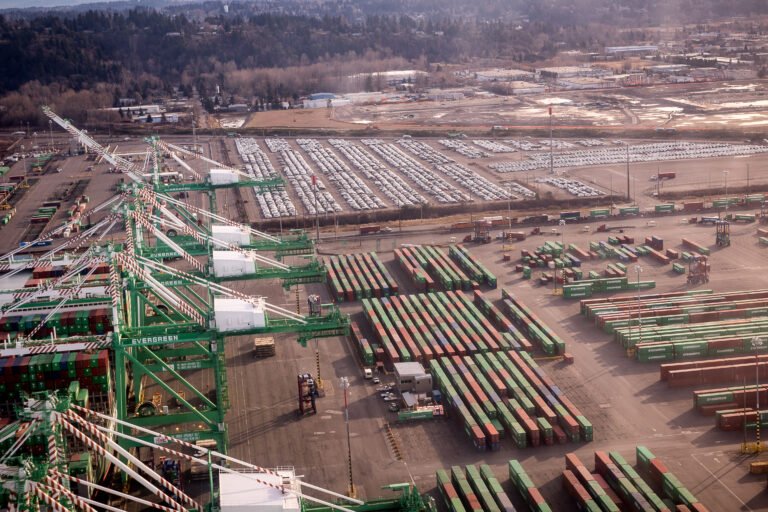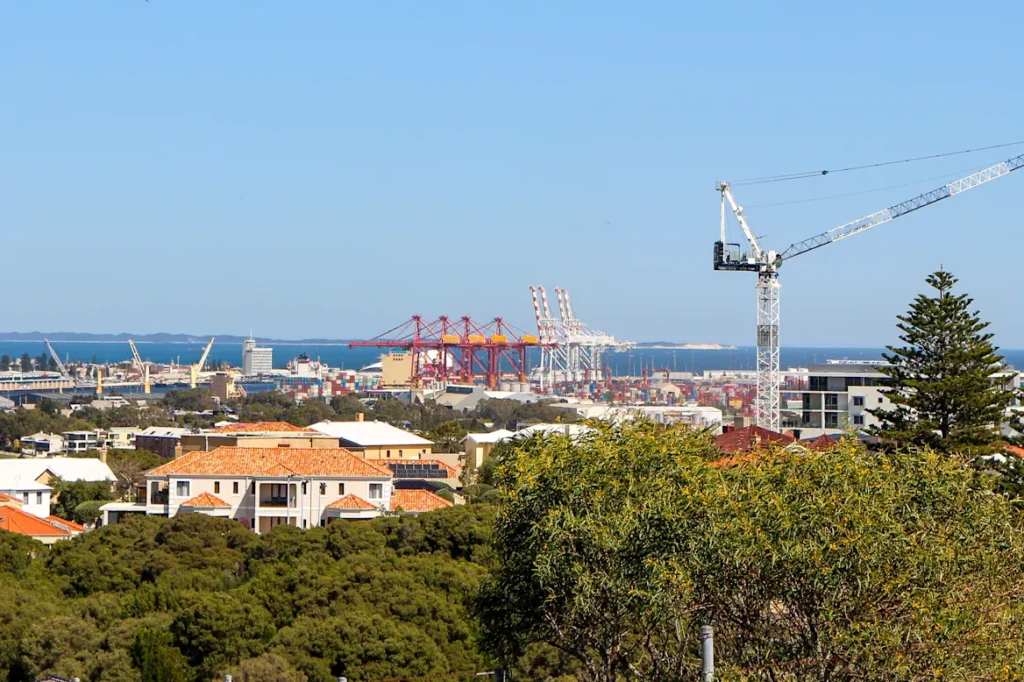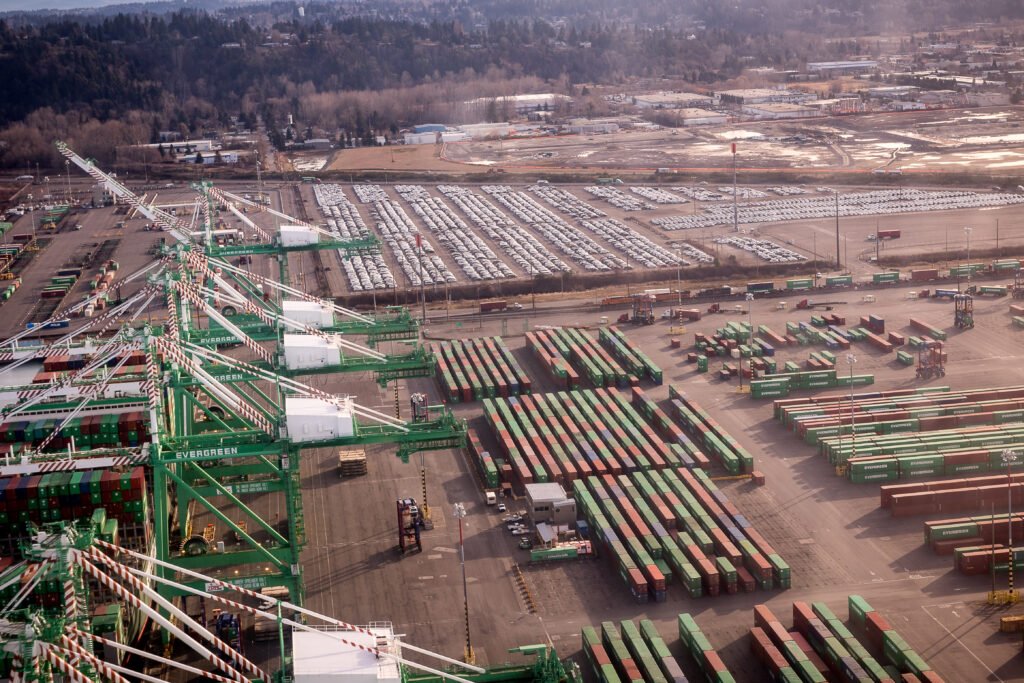
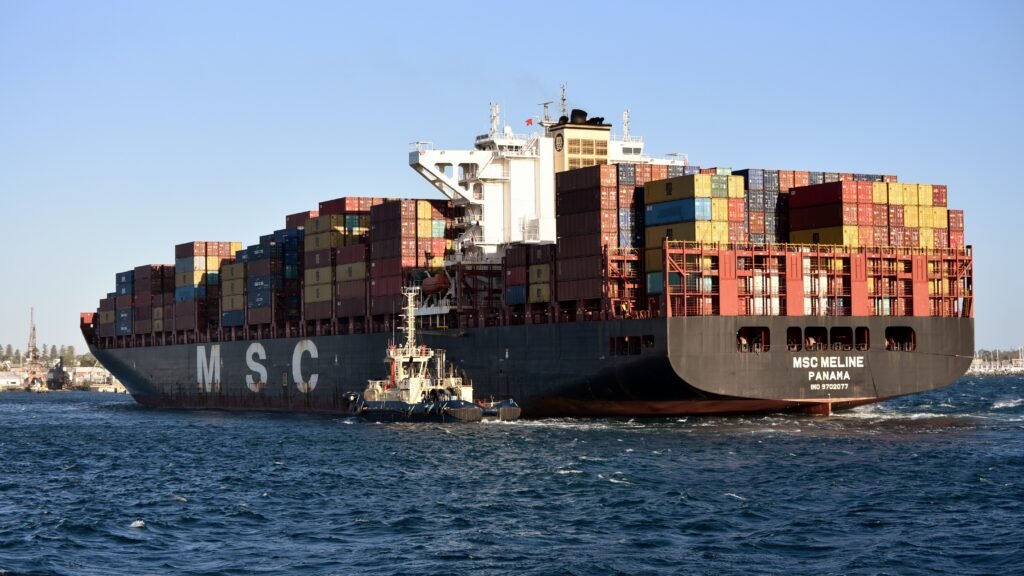
Western Australia’s long-term plan to relocate its main container port from Fremantle to Kwinana has moved from business case into active development, with road, rail and marine planning now advancing on the roughly $7 billion Westport project. The new container port, targeted for completion in the late 2030s, is designed to replace Fremantle as WA’s primary container gateway once the older port reaches its practical handling capacity.
Fremantle Port currently processes approximately 800,000 twenty-foot equivalent units annually and can handle up to around 1.4 million TEUs at full capacity, but with container volumes forecast to exceed 3 million TEUs over the coming decades, the Westport Taskforce has determined that Fremantle’s constrained inner-harbour location makes further major expansion impractical.
Why Kwinana Was Chosen
The Westport Taskforce settled on Kwinana, already Western Australia’s primary industrial precinct and home to a busy bulk freight port, as the site for the state’s new container terminal. The taskforce’s business case, released in November 2025, found that infrastructure limitations at Fremantle would begin meaningfully constraining an estimated $445 billion of container trade as early as the mid-2030s without a major new facility coming online.
WA’s population, projected to reach 3.6 million by 2036, is expected to drive continued growth in containerised imports and exports, with per-person containerisation rates forecast to grow by around 20 per cent by 2040 as consumption patterns and supply chains continue shifting toward containerised freight.
How the Project Is Structured
The new terminal is being jointly planned between two bodies, with Fremantle Ports leading the landside and topside works and the dedicated Westport program delivering the marine infrastructure required for the new port. Westport recently opened expressions of interest for experienced container terminal operators to join its advisory group, seeking industry input into draft terminal layouts and design decisions well ahead of the formal procurement process expected in coming years.
Westport officials have emphasised early industry engagement as central to the project’s approach, arguing that involving operators, suppliers and innovators from the outset helps ensure the new port is fit for purpose from day one, while also providing a platform to accelerate the adoption of sustainable construction practices and lower-carbon materials across the WA infrastructure market more broadly.
What Happens to Fremantle
Fremantle Port will not close once Kwinana comes online, but will instead transition to focus on cruise ship and coastal vessel operations, alongside continued investment in strengthening its ageing inner-harbour wharves in the interim. The 2025-26 State Budget included $88 million for wharf strengthening works at Fremantle’s Inner Harbour, ensuring the port, with structures dating back to the 1920s, can continue safely handling larger vessels and heavier cargo loads throughout the extended transition period to Kwinana.
A Multi-Decade Infrastructure Commitment
With a targeted completion in the late 2030s, Westport represents one of the largest and longest-horizon infrastructure projects currently underway in Western Australia, requiring sustained funding and political commitment across what will likely be multiple state governments and election cycles before the new port becomes fully operational. Project leaders say engaging operators and industry early is central to ensuring the port remains future-proofed for the next century of trade, rather than becoming outdated shortly after opening as global shipping and container technology continues to evolve.
Funding and Financing the Project
Financing a project of Westport’s scale is expected to draw on a combination of state government capital, Commonwealth infrastructure funding contributions, and potentially private sector investment or co-investment arrangements for elements of the terminal and landside infrastructure, a funding mix common to major port developments of similar scale internationally. Treasury modelling has factored the long lead time of the project into the state’s broader multi-decade infrastructure funding pipeline, spreading the capital commitment across many years rather than requiring the full $7 billion to be funded within a single budget cycle.
Industry groups have broadly welcomed the project’s progression from business case into active development, noting that certainty around WA’s long-term container port capacity is an important signal for exporters, importers and logistics operators making their own long-term investment and supply chain planning decisions.
Kwinana residents and businesses have received the project with mixed reactions, welcoming the prospect of significant construction and long-term operational jobs coming to the industrial precinct, while also raising practical questions around road and rail capacity upgrades needed to support the new port without overwhelming existing local infrastructure during the transition period.
Westport officials have said further detail on procurement timelines and construction milestones will be released as technical advisory work progresses, with formal contracts for major elements of the marine and landside infrastructure not expected to be finalised for several more years given the scale and complexity of the project.
Analysts tracking the project note that WA’s comparatively strong fiscal position, underpinned by sustained resources royalty revenue, gives the state more scope to commit to a project of this scale than many other Australian jurisdictions could readily sustain, a factor likely to be cited repeatedly as Westport progresses through the coming years of planning, approvals and eventual construction.