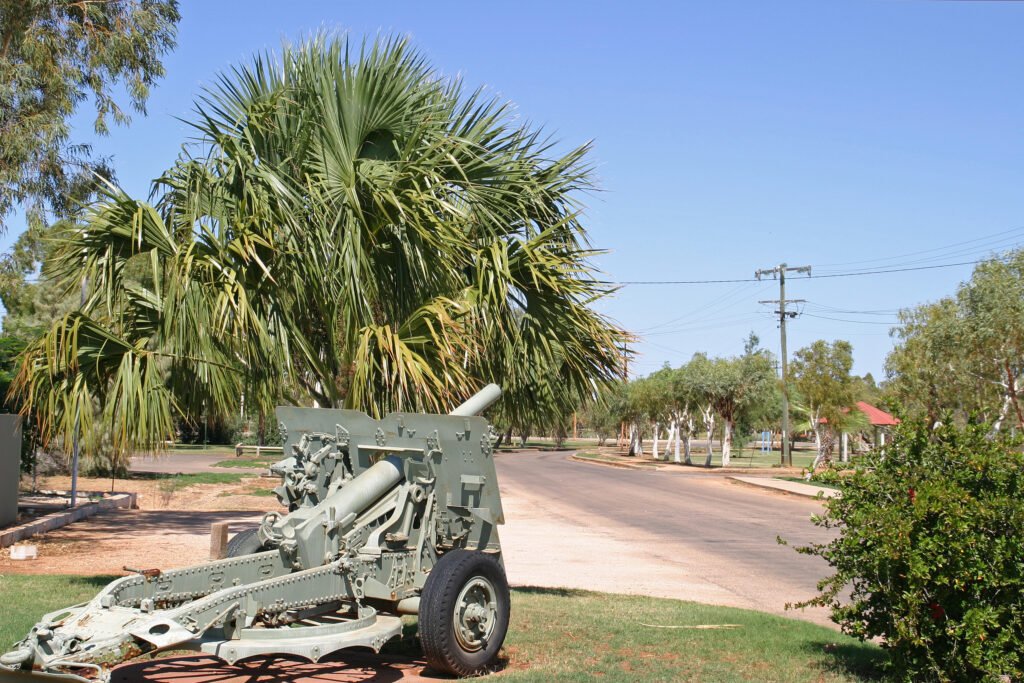
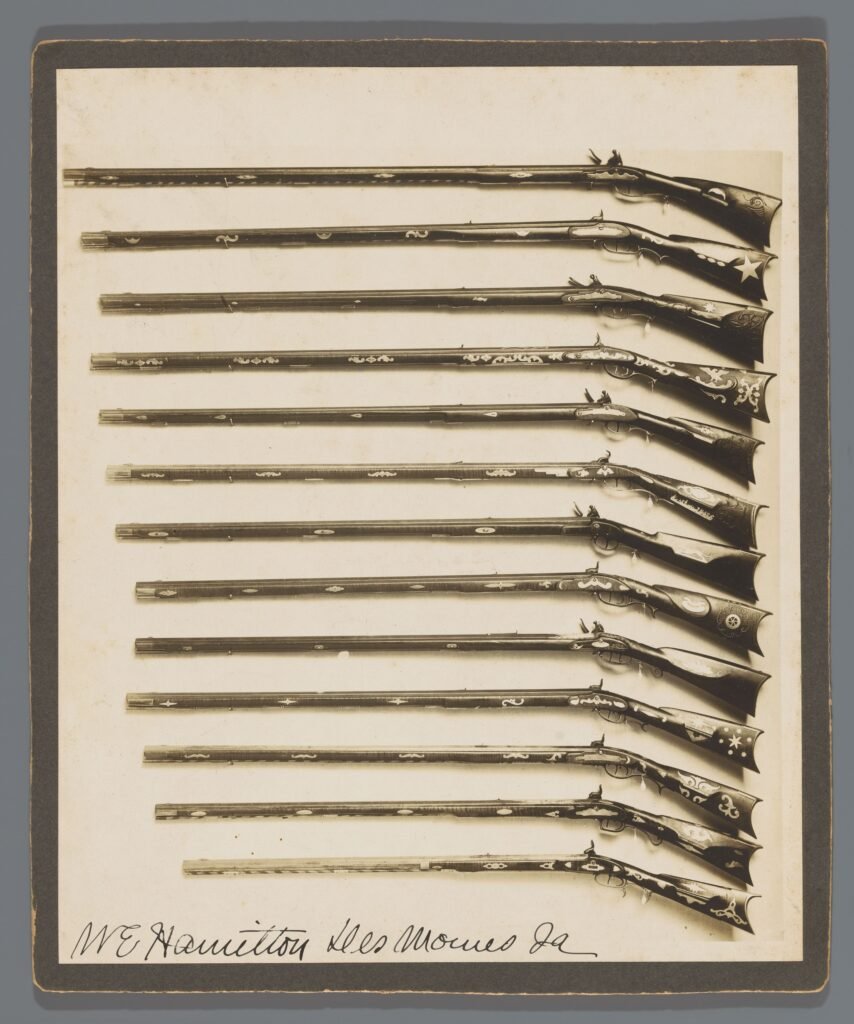
Close to 14,000 firearms have been voluntarily surrendered to WA Police as part of an ongoing, multimillion-dollar community buyback scheme accompanying the state’s overhaul of its firearms laws, a result authorities say reflects strong community support for reducing the number of guns in circulation across Western Australia. The buyback runs alongside the state’s new Firearms Act, which replaced legislation that had been in place for five decades.
The scale of community participation in the buyback has exceeded what some observers expected, with thousands of West Australians choosing to hand in firearms that fall outside the new numerical limits and category restrictions introduced under the reformed licensing regime, rather than seeking to retain them through revised paperwork or storage upgrades.
Why the Buyback Matters to Communities
For community safety advocates, the volume of firearms removed from circulation carries genuine practical significance beyond the symbolic value of law reform. WA Police data has previously shown that on average one firearm was stolen somewhere in the state every day, underscoring how firearms held in private hands, even by licensed and law-abiding owners, have historically represented an ongoing theft and diversion risk into the wrong hands.
Family and domestic violence advocacy groups have been particularly supportive of the broader reform package, welcoming new mandatory disqualifying offences and orders that strip firearms from serious offenders, including perpetrators of family and domestic violence, as a direct and meaningful community safety measure rather than a purely administrative change to licensing paperwork.
How the Buyback Works
Under the scheme, licence holders whose firearm holdings exceed the new numerical caps, generally up to ten firearms for primary producers and club or competition members, and five for recreational shooters, can surrender excess weapons for compensation through the state-funded buyback. A separate, extended surrender period has applied specifically to Rapid Release Action or push-button firearms, a category of weapon designed to circumvent WA’s existing restrictions on semi-automatic weapons and now prohibited outright under the new laws.
The government has framed the buyback as a practical companion measure to the broader legislative reform, recognising that asking gun owners to simply relinquish previously legal property without fair compensation would likely have undermined both compliance and community goodwill toward the new regulatory regime.
Balancing Safety With Rural and Recreational Needs
The reform process was not without controversy, with rural and regional communities in particular raising concerns during consultation about the practical impact of new licensing and storage requirements on farmers, pest controllers and recreational hunters who rely on firearms as legitimate working tools. The WA Pastoralists and Graziers Association ultimately expressed support for the final framework, noting the government’s consultation process had addressed many of primary producers’ practical concerns, including higher ownership caps for those with a demonstrated working need.
Community organisations focused on gun violence prevention, including the Alannah and Madeline Foundation, have separately described the reforms as the strongest firearm law changes in Australia since the Port Arthur tragedy in 1996, while noting some areas of the regulatory framework could still be strengthened further as implementation continues.
What It Means for WA Communities Going Forward
With close to 14,000 firearms already out of circulation and further surrender periods continuing, WA Police and community safety advocates expect the total number of weapons removed through the buyback to continue climbing before the scheme eventually winds down. For communities across the state, the reform represents one of the most significant public safety policy changes in a generation, one that authorities and advocacy groups alike hope will translate into fewer firearms lost to theft, fewer weapons in the hands of people who should not have them, and a measurable reduction in the community risk firearms can pose when they fall outside proper regulation and control.
How WA Compares to Other Buyback Schemes
WA’s buyback follows a similar model to the landmark national firearms buyback introduced after the 1996 Port Arthur tragedy, though it applies more narrowly to firearms and categories affected by the state’s new ownership caps and prohibited weapon types rather than a blanket national surrender of semi-automatic weapons. Firearms policy researchers note that voluntary, compensated buyback schemes of this kind tend to achieve higher compliance rates than uncompensated surrender requirements, since fair payment reduces the incentive for owners to simply retain prohibited or excess firearms without declaring them.
WA Police have indicated that compliance monitoring and enforcement will continue alongside the voluntary surrender period, with penalties applying to owners found retaining firearms beyond the new legal limits once the relevant transition periods for each weapon category have concluded.
Community feedback gathered by WA Police during the surrender process has generally been positive, with many long-time gun owners saying they welcomed the opportunity to responsibly dispose of unused or excess firearms that had, in some cases, sat unused in home storage for years, rather than facing the ongoing compliance burden of storing and licensing weapons no longer regularly used.