The Science and Technology Council of Western Australia has finalised feedback on a formal Position Statement urging the state government to act on artificial intelligence, high-performance computing and digital infrastructure, following discussions at its fifth meeting held at the Forrest Research Foundation in July. The statement articulates WA’s opportunity to expand its computing capacity and sets out clear recommendations for government, with Science and Innovation Minister Stephen Dawson attending part of the meeting in person.
The Council’s sustained focus on AI and digital infrastructure across consecutive meetings this year reflects growing recognition within WA government and advisory circles that the state faces a genuine strategic choice about how aggressively to position itself within the fast-moving global AI infrastructure build-out, rather than treating the technology as a peripheral consideration.
Why WA Sees Itself as Well Placed
Advocates for a more assertive WA AI strategy have pointed to the state’s combination of natural advantages, including five subsea telecommunications cables landing on its coastline that position WA as a digital gateway between Australia and the Asia Pacific, alongside abundant land and renewable and traditional energy resources that AI infrastructure development requires at scale. That combination of connectivity, energy and available land has featured prominently in arguments that WA could become a genuine hub for AI development and secure data storage, serving not just the domestic market but trusted partners across the wider Asia Pacific region.
The Council’s Position Statement specifically highlighted WA’s opportunity within AI Cooperative Research Centre Projects, a national funding mechanism supporting collaborative research between industry, universities and government, suggesting the state sees competitive federal research funding as one concrete avenue for building its AI capability.
A Gap Between Adoption and Appetite for More
Separate industry survey data has found Western Australian businesses currently lead the country on AI adoption, with around 40 per cent of WA businesses reporting they have already implemented AI tools in some form, ahead of other states surveyed. Notably, only around 13 per cent of WA businesses indicated plans to expand their AI use further, a considerably more cautious outlook than some other states where businesses starting from a lower adoption base are planning more aggressive future AI integration.
That gap between strong current adoption and comparatively modest expansion plans has been read by some industry analysts as a sign of either genuine satisfaction with existing AI deployment among WA businesses, or alternatively as an early warning that the state’s initial adoption advantage could narrow if other jurisdictions successfully convert their currently lower adoption rates into more rapid future expansion.
Capacity Concerns Raised by the Council
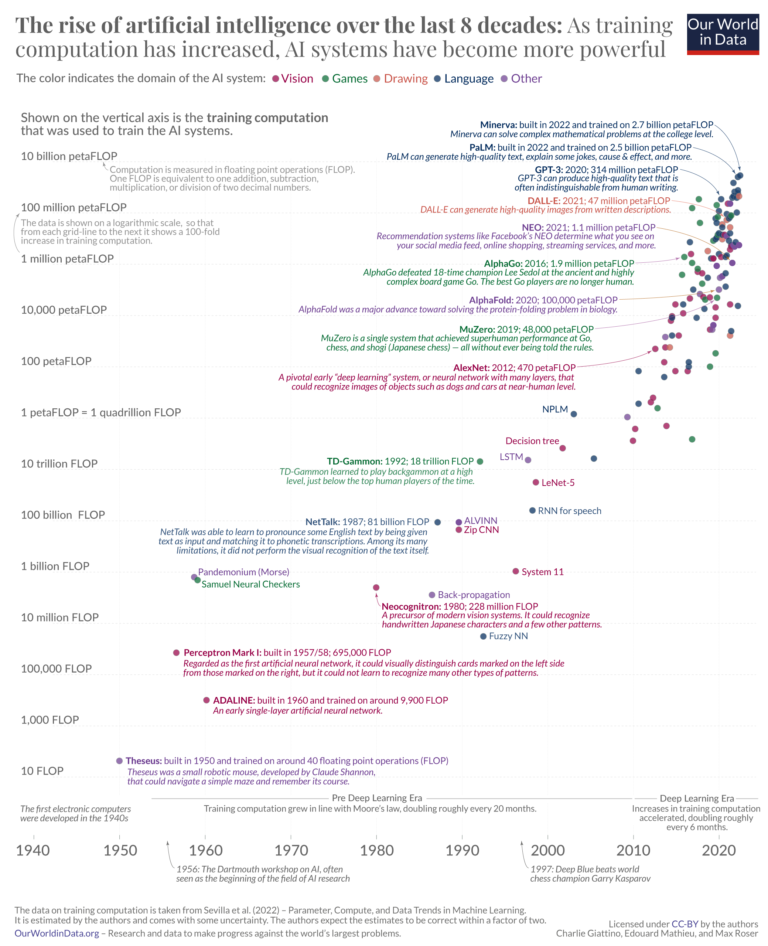
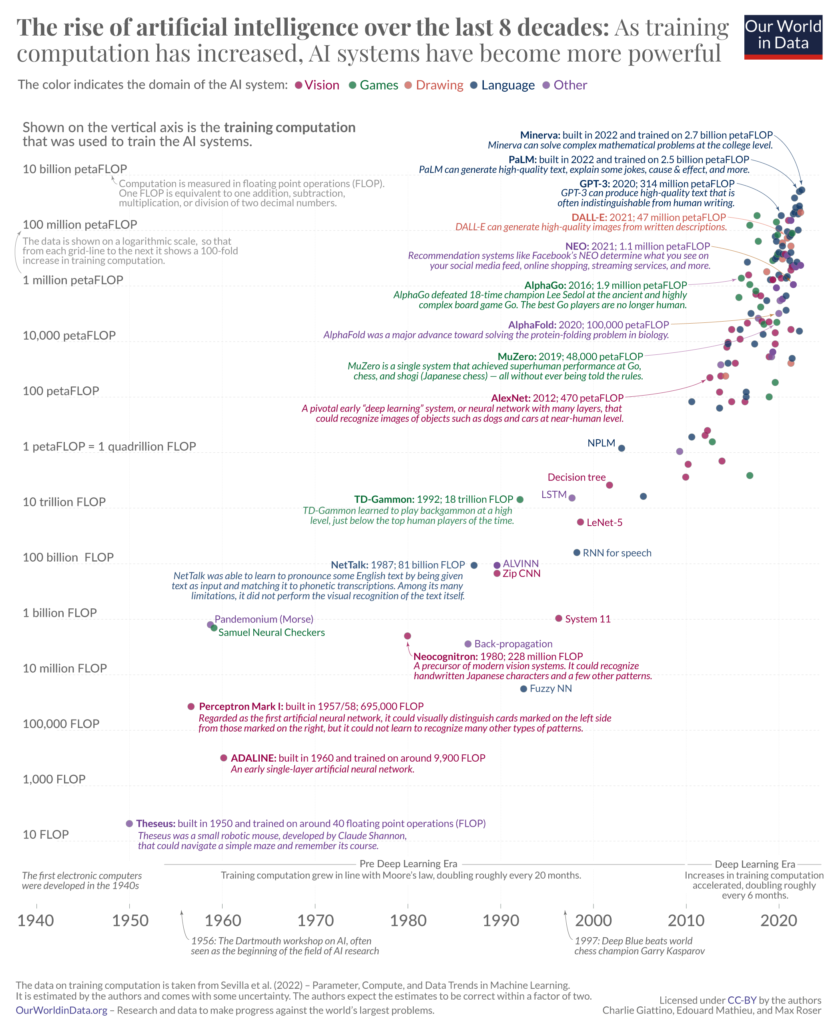
The Council has specifically flagged concern that high-performance computing capacity is not scaling proportionately to growing industry and research demand, a mismatch that could constrain WA’s ability to capitalise on AI opportunities regardless of how strong current business adoption or government ambition might be. Maintaining a strong strategic position in national discussions on digital and computing infrastructure was identified as important to ensuring WA retains long-term access to nationally significant computing capabilities, or secures appropriate alternative arrangements if national infrastructure decisions do not favour the state.
Balancing Opportunity With Public Trust
Alongside the economic opportunity AI and high-performance computing represent, the Council has also emphasised the importance of maintaining public confidence in how these technologies are developed and used, acknowledging that community trust remains an essential, non-negotiable foundation for any state-level AI strategy to succeed over the longer term.
What Comes Next
With the Position Statement now finalised and presented to government, attention turns to how the state responds to the Council’s recommendations, including whether additional investment in high-performance computing capacity and supporting digital infrastructure follows. For a state already recording the country’s highest current AI adoption rate among businesses, translating that early advantage into a sustained strategic position will likely depend on how seriously government acts on the Council’s advice in the months ahead.