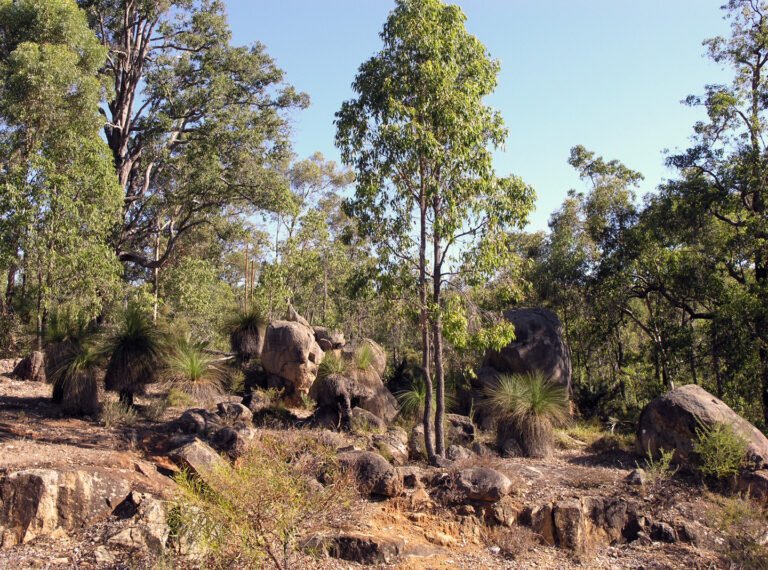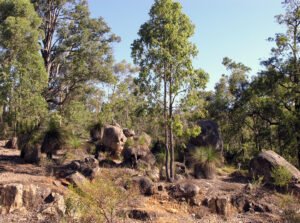
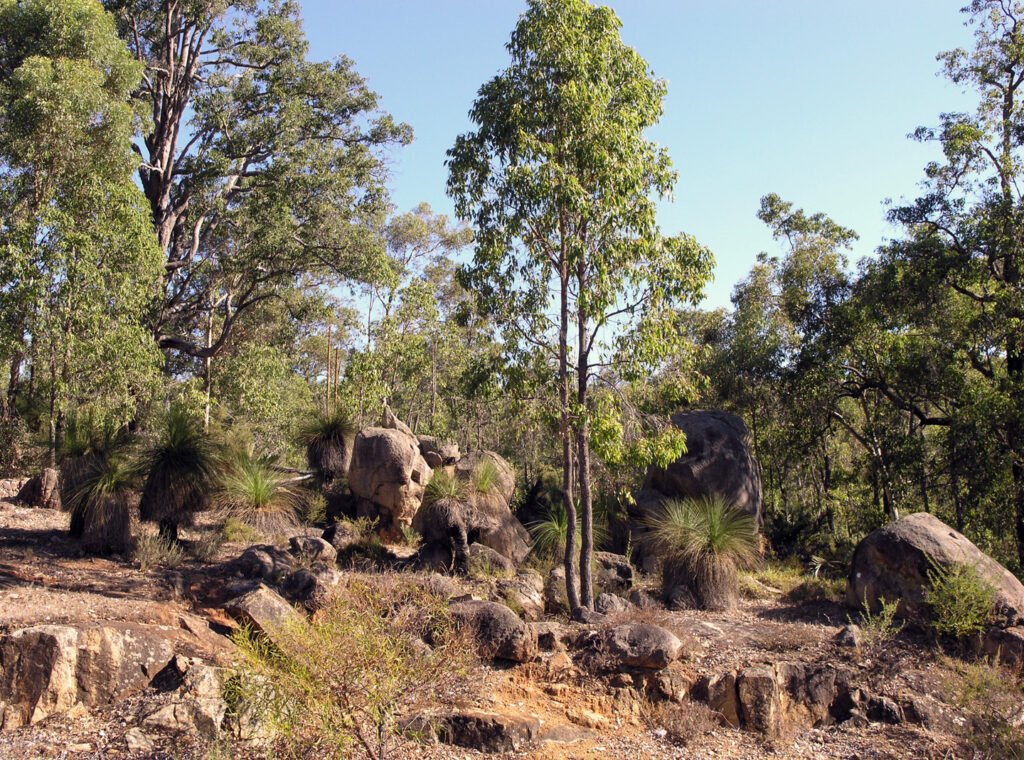
Conservation land roughly 200 kilometres north of Perth has become the focus of a new three-year partnership between the Department of Biodiversity, Conservation and Attractions and Woodside Energy, formally launched as the Watheroo Region Conservation Program. The initiative targets Watheroo National Park and the adjoining Pinjarrega and Capamauro nature reserves, an area supporting a range of significant conservation values including threatened flora, fauna and ecological communities.
The program brings together DBCA and Woodside as neighbouring land managers in the Midwest region, building on earlier collaboration between the two organisations that included a six-month camera array project in 2025 identifying biodiversity values and invasive animal activity, including goats, cats and foxes, across the area.
What the Program Will Target
The new program will initially focus on feral predator management to protect a range of native species including the mallee fowl, bush stone-curlew, dunnarts and sand goanna, all species whose populations have come under sustained pressure from introduced predators and competitors across the Watheroo region. Feral cats and foxes in particular have been identified as significant threats to native fauna in the area, consistent with the broader, well-documented impact these introduced predators have had on Australian wildlife since European settlement.
By combining long-term monitoring with large-scale invasive species control, the program aims to stabilise ecosystems, protect threatened species and build resilience across what is described as one of Western Australia’s ecologically significant landscapes, an approach that reflects contemporary conservation practice favouring sustained, landscape-scale intervention over more limited, localised efforts.
Why an Energy Company Is Involved
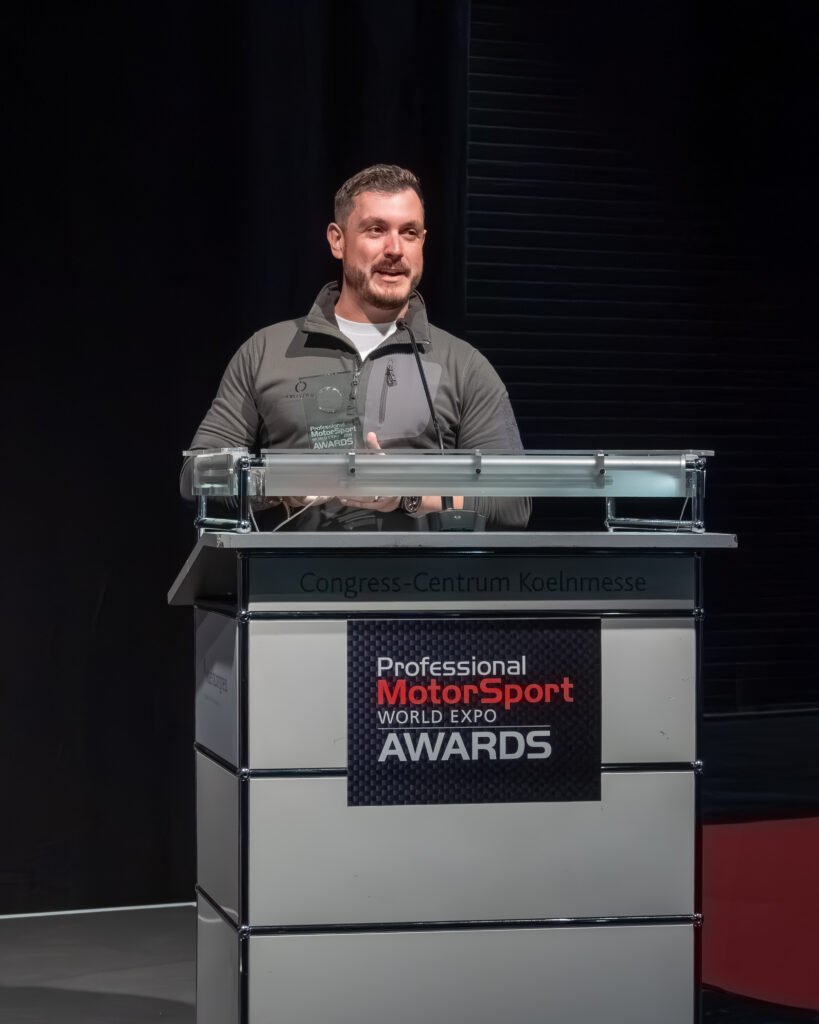
Woodside Energy Executive Vice President Julie Fallon described the partnership as strengthening long-term conservation outcomes in the Midwest while demonstrating the value of collaboration between government and industry. Ms Fallon characterised the initiative as reflecting Woodside’s voluntary commitment to support positive biodiversity outcomes in the regions where the company operates, framing the investment as complementary to, rather than a substitute for, formal environmental approval conditions attached to its broader operations.
Partnerships of this kind between resources companies and conservation agencies have become an increasingly visible feature of WA’s environmental landscape, reflecting growing industry recognition that operating as a neighbouring land manager near significant conservation areas carries a degree of reputational and practical expectation to contribute positively to biodiversity outcomes, beyond simply meeting minimum regulatory requirements.
A Landscape Under Growing Pressure
The Watheroo program arrives against a backdrop of broader concern about the pace of native vegetation clearing and habitat loss across WA, with conservation groups pointing to tens of thousands of hectares of native bushland approved for clearing in recent years and warning that a growing list of threatened species remain without dedicated recovery plans. Against that broader context, dedicated, funded conservation partnerships targeting specific landscapes like Watheroo represent a tangible, if geographically limited, counterweight to the wider pressures facing WA’s unique flora and fauna.
Building on Existing Monitoring Work
The formal three-year program builds directly on the findings of the 2025 camera array project, giving DBCA and Woodside an existing evidence base of which invasive species are most active in the region and where, allowing predator control efforts to be targeted more precisely than would be possible without that groundwork already in place. This evidence-based approach reflects contemporary best practice in conservation management, prioritising interventions informed by genuine monitoring data over broader, less targeted control programs.
What Comes Next
With the program now formally underway, DBCA and Woodside will continue monitoring outcomes across Watheroo National Park and its adjoining reserves over the coming three years, tracking whether sustained predator management translates into measurable population improvements for the mallee fowl, bush stone-curlew, dunnarts and sand goanna the initiative specifically targets. For a state home to several of the country’s most significant biodiversity hotspots, the Watheroo partnership offers one concrete example of how targeted, sustained conservation investment can be delivered in collaboration with industry, even as broader questions about land clearing and habitat protection continue to generate debate across WA.
A Model for Future Partnerships
DBCA has indicated the Watheroo partnership could serve as a template for similar collaborations with other resources and energy companies operating near significant conservation areas elsewhere in WA, particularly where a company’s own operational footprint sits adjacent to national parks or nature reserves facing comparable pressure from invasive species. Conservation agencies have generally welcomed this kind of industry co-investment, arguing that government conservation budgets alone have rarely been sufficient to fund the scale of sustained, landscape-level intervention that meaningfully reverses threatened species decline.
Woodside’s involvement in the Midwest region reflects its existing operational presence in the area, giving the company both a practical interest in supporting local environmental outcomes and existing logistical relationships with DBCA that made the current partnership easier to establish than an entirely new collaboration might have been.
Local community members and conservation volunteers in the Midwest have also welcomed the program, with some already expressing interest in supporting on-ground monitoring activities once specific volunteering pathways are established over the coming months.