Western Australia is positioning green iron production as a major future export opportunity, with the state government explicitly naming clean downstream iron products among the priority outcomes its newly passed State Development Bill is designed to help secure. The ambition reflects a broader recognition that WA’s enormous iron ore export volumes could carry significantly more value, and lower global emissions, if a greater share were processed domestically into low-carbon iron products before export, rather than shipped as raw ore alone.
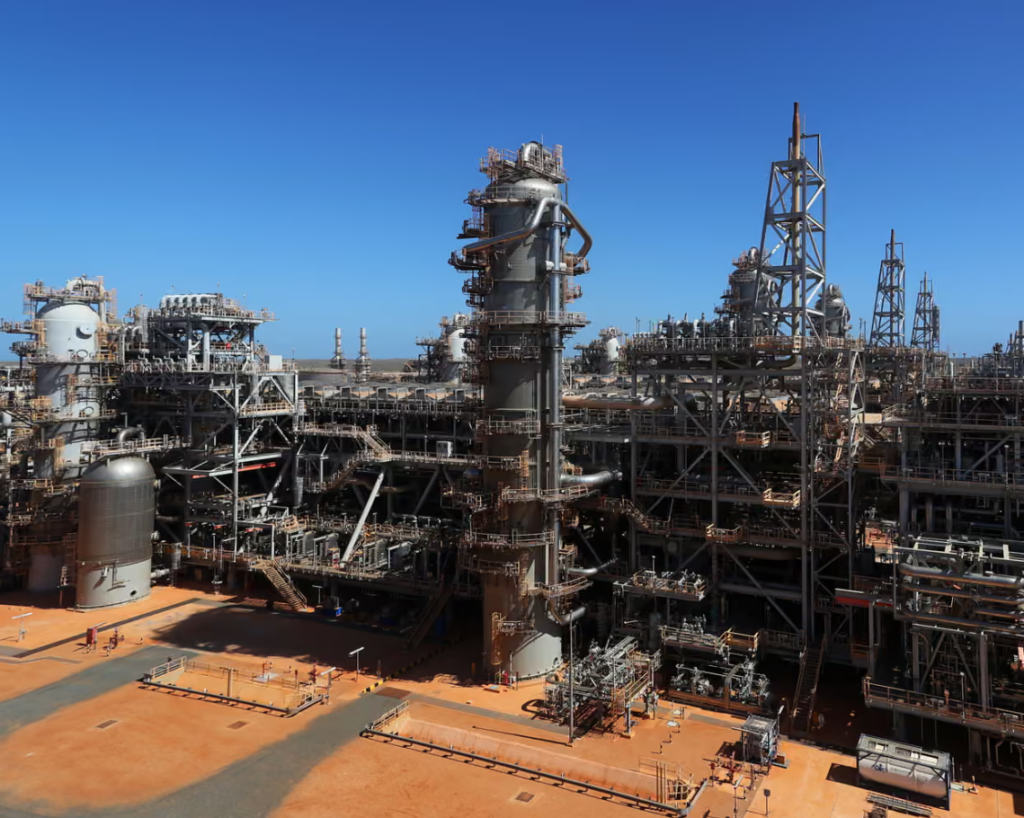
Green iron, produced using renewable energy and hydrogen-based reduction processes rather than traditional coal-fired blast furnaces, has emerged as a genuine decarbonisation pathway for one of the world’s most emissions-intensive industrial processes, positioning WA’s vast iron ore reserves as a potential foundation for a new, lower-carbon export industry.
Why Green Iron Matters for WA’s Economy
WA currently exports the vast majority of its iron ore in raw form, capturing only a fraction of the value chain compared to countries with established steel and iron processing industries. Building genuine green iron production capacity domestically would allow WA to capture significantly more value per tonne of ore extracted, while positioning the state’s exports favourably as international steel producers face growing pressure, including from mechanisms like the European Union’s carbon border adjustment framework, to source lower-carbon input materials.
Economic modelling commissioned by various industry and government bodies has suggested a mature green iron industry could ultimately support significant new manufacturing employment and export revenue for WA, though estimates vary considerably depending on assumptions about the pace of global steel industry decarbonisation and the cost trajectory of the renewable energy and hydrogen inputs green iron production requires.
The Technical and Cost Challenges
Green iron production remains considerably more expensive than traditional blast furnace processing at current technology and energy costs, a gap industry proponents argue will narrow as renewable energy and hydrogen production costs continue falling and as carbon pricing mechanisms in key export markets make higher-emissions iron products relatively less competitive over time. Several pilot and demonstration-scale green iron projects have been proposed or are under development in WA, though none has yet reached the kind of full commercial scale that would definitively prove the technology’s viability as a mainstream export industry.
Government Support Through Streamlined Approvals
The State Development Bill’s streamlined approvals framework is designed specifically to help accelerate strategically significant projects like green iron facilities through what can otherwise be a lengthy and complex approvals process, reflecting the state government’s view that faster regulatory certainty is an important lever for attracting the substantial capital investment green iron production at scale would require.
Competing on the Global Stage
WA is not alone in pursuing green iron ambitions, with other major iron ore producing regions internationally similarly exploring lower-carbon processing pathways to protect their market position as global steel demand shifts toward decarbonised supply chains. Whether WA can establish a genuine first-mover advantage in green iron production, leveraging its existing scale as the world’s dominant iron ore exporter, will likely depend on how quickly individual projects can move from feasibility and pilot stages toward full commercial operation.
What Comes Next
With regulatory settings now aligned to support faster project approvals, the coming years will test whether green iron can move from a policy ambition into a genuine new pillar of WA’s export economy. For a state whose fortunes have long been tied to raw iron ore exports, successfully building a green iron industry would represent a significant structural shift, capturing more value domestically while helping WA’s traditional resources exports adapt to a world increasingly focused on decarbonised supply chains.
Who’s Investing So Far
Several major iron ore producers and steel industry partners have begun exploring green iron pilot projects and partnerships in WA, often in collaboration with international steel manufacturers seeking to secure future lower-carbon input supply as their own domestic decarbonisation obligations tighten. These early partnerships typically combine WA’s raw material access with overseas partners’ processing technology and market access, reflecting the genuinely global nature of the green iron value chain currently taking shape.
State government officials have indicated ongoing discussions with multiple potential project proponents, though most green iron initiatives in WA remain at feasibility or pilot stage rather than confirmed commercial-scale investment, reflecting the genuinely early stage of the industry’s development both in WA and globally.
Investment analysts covering the sector note that green iron’s ultimate commercial success will hinge heavily on the pace at which renewable electricity and hydrogen production costs continue falling, a trajectory that has proven difficult to forecast precisely but which most industry observers expect to continue improving over the coming decade.
For WA’s existing iron ore workforce and communities, a mature green iron industry could eventually support new processing and manufacturing jobs closer to home, complementing rather than replacing the mining and haulage roles that remain central to the state’s resources economy today.