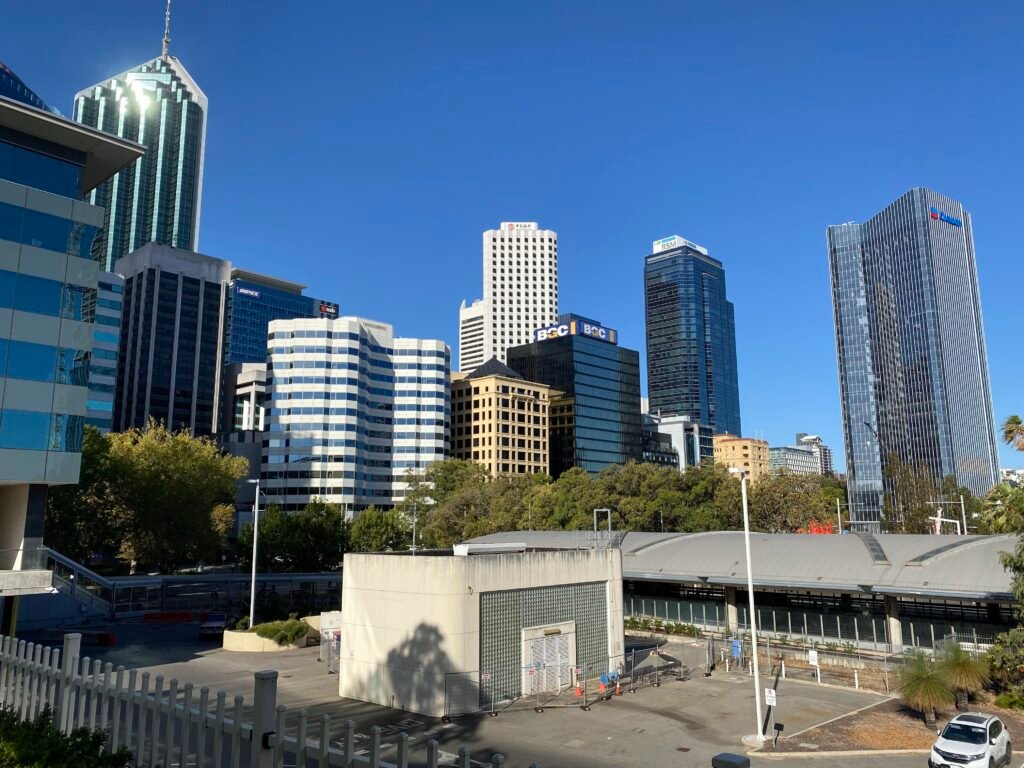
Western Australia’s push to become the largest naval shipbuilding and maintenance hub in the Southern Hemisphere, alongside expanding clean energy manufacturing, is emerging as a significant potential source of new jobs for the state, as the newly passed State Development Bill aims to fast-track the major projects underpinning this ambition. Premier Roger Cook has repeatedly cited defence and clean energy manufacturing as priority sectors capable of delivering secure, well-paid employment well beyond WA’s traditional resources workforce.
For WA workers and job seekers, the state’s growing emphasis on advanced manufacturing and defence industry capability represents a genuine diversification of career pathways beyond the mining and resources roles that have long dominated the state’s employment landscape.
Why Naval Shipbuilding Matters for WA Jobs
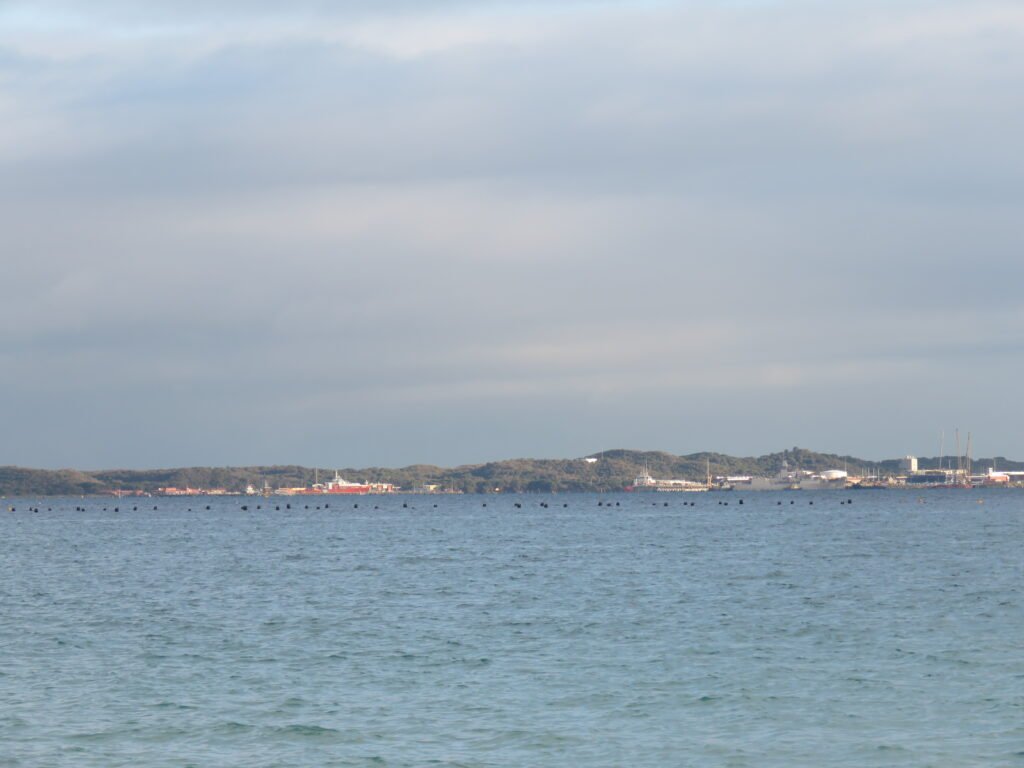
Naval shipbuilding and maintenance work requires a broad mix of skilled trades, engineering expertise and specialist technical roles, from welders and fitters through to naval architects and systems engineers, making it a potentially significant employer across multiple skill levels and career stages. WA’s existing defence industry footprint, anchored around facilities in the state’s south, provides a foundation the government hopes to build on substantially as national defence spending priorities increasingly emphasise sovereign shipbuilding and maintenance capability.
Industry bodies representing WA’s defence and advanced manufacturing sector have welcomed the state’s ambitions, while noting that realising genuinely significant employment growth will depend on translating policy ambition and streamlined approvals into confirmed, funded projects and long-term contracts, rather than announcements alone.
Clean Energy Manufacturing’s Employment Potential
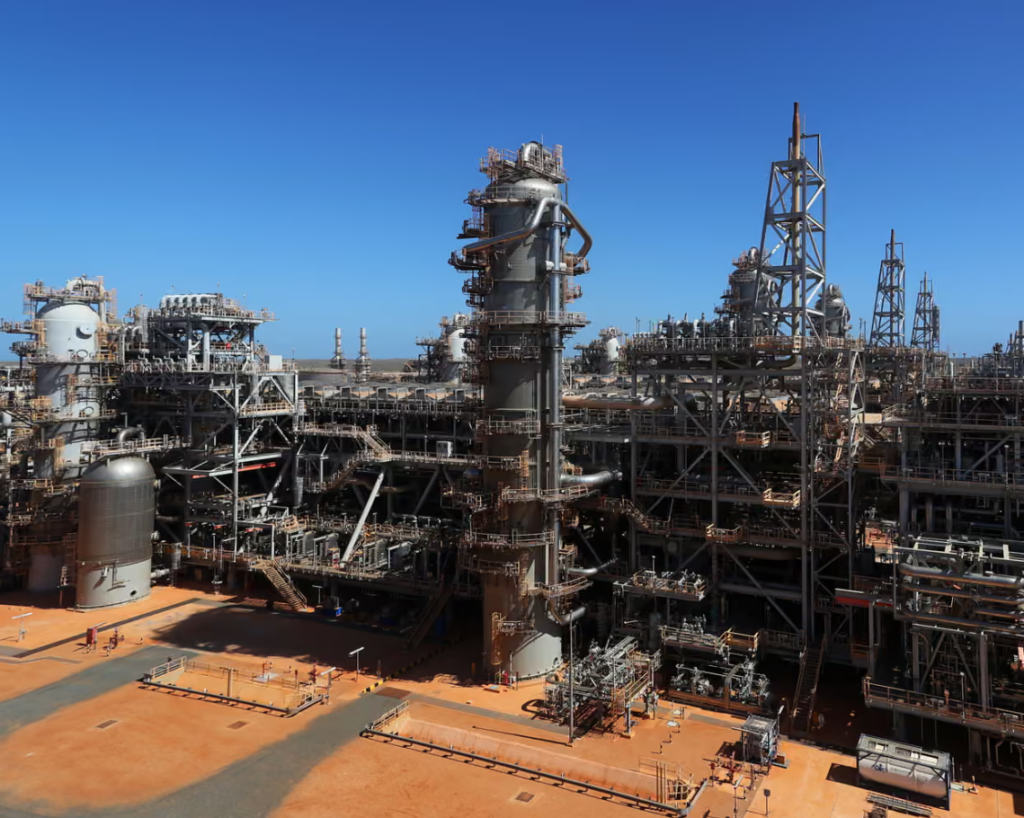
Alongside defence, the state government has pointed to clean downstream product manufacturing, including green iron production, as another priority area the streamlined State Development Bill framework is designed to accelerate. Manufacturing roles in this space span a similarly broad skills spectrum, from process operators and maintenance technicians through to specialist engineers managing increasingly complex, technology-intensive production processes central to decarbonising traditionally emissions-heavy industrial processes like iron and steel production.
For WA’s vocational education and training sector, the prospect of substantial new manufacturing and shipbuilding employment adds further weight to calls for expanded trade training capacity, building on the state’s existing apprenticeship growth trends to ensure a sufficiently skilled workforce is available as major projects move from approval through to construction and operation.
Regional and Metropolitan Job Distribution
Unlike much of WA’s traditional mining and resources workforce, concentrated in remote Pilbara and Goldfields operations, naval shipbuilding and advanced manufacturing jobs are more likely to be based within or near the Perth metropolitan area, offering a potential employment pathway for workers who prefer not to pursue fly-in fly-out remote work arrangements. That geographic distinction could meaningfully broaden the range of career options available to WA job seekers weighing lifestyle considerations alongside career opportunities.
Caution Amid the Optimism
Economists and workforce analysts have cautioned that major manufacturing and defence project timelines often extend over many years from initial approval through to peak construction and operational employment, meaning any substantial jobs boost from the current wave of announcements is likely to build gradually rather than materialise immediately. Skills shortages already affecting WA’s existing trades and engineering workforce could also constrain how quickly new manufacturing and shipbuilding projects can scale up their workforce, even where funding and approvals proceed smoothly.
What It Means for Job Seekers
For WA workers and students currently weighing career and training pathways, the state’s growing emphasis on defence manufacturing and clean energy production offers a genuine, if still developing, alternative to the traditional mining and resources career track. As the State Development Bill’s streamlined approvals framework begins operating in practice, the coming years will offer a clearer picture of just how substantial the promised employment gains from WA’s manufacturing and defence ambitions ultimately prove to be.
Training Pathways Already Taking Shape
WA training providers have begun adjusting course offerings in anticipation of growing defence and advanced manufacturing workforce demand, expanding welding, fabrication and marine engineering programs at TAFE campuses in the state’s south. Industry groups say early alignment between training providers and anticipated employer demand is critical to avoiding the kind of skills bottlenecks that have constrained project delivery timelines in other Australian defence manufacturing programs.
Defence industry representatives have also flagged the importance of security clearance processing capacity as major projects scale up, noting that workforce growth in defence manufacturing can be constrained by clearance processing times independent of how quickly training pipelines themselves can produce qualified candidates.
Recruitment agencies specialising in engineering and manufacturing roles report growing employer enquiry around future workforce needs in these sectors, even as most confirmed hiring remains some years away pending final investment decisions on major projects.
For now, industry groups are encouraging young West Australians and career changers to keep a close eye on developments in defence manufacturing and clean energy production, viewing early awareness of these emerging pathways as valuable regardless of exactly when individual projects reach full operational scale.