The oil crisis Australia impact is once again in focus as rising fuel prices spark comparisons with the 1979 energy shock that reshaped transport in Western Australia.
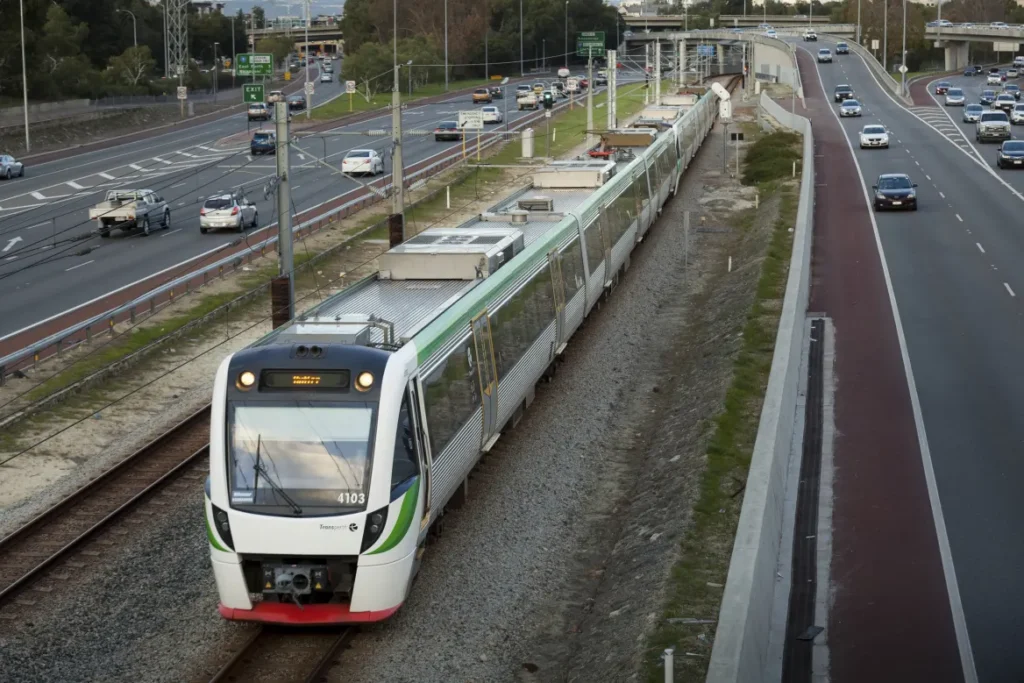
Back then, soaring oil prices forced governments and industries to rethink how goods and people moved across vast distances. The result was a rail revolution in WA. Now, with fuel costs climbing again, many are asking what the current oil crisis Australia impact could bring.
Oil Crisis Australia Impact in 1979
The 1979 oil crisis had a profound oil crisis Australia impact, particularly in Western Australia. As fuel prices surged globally, reliance on road transport became increasingly expensive and unsustainable.
This led to renewed investment in rail infrastructure, with a focus on improving efficiency and reducing dependence on diesel-powered trucking. The oil crisis Australia impact at the time pushed policymakers to prioritise long-term solutions over short-term fixes.
Rail networks became a more attractive option for bulk transport, helping industries adapt to rising costs.
Why Today’s Oil Crisis Feels Similar
The current oil crisis Australia impact shares several similarities with the events of 1979. Global instability, supply disruptions, and rising demand have once again driven fuel prices higher.
Transport operators are feeling the pressure, particularly in freight-heavy regions where long distances make fuel costs a critical factor. The oil crisis Australia impact is forcing businesses to reconsider logistics strategies.
Just like in 1979, the situation is highlighting vulnerabilities in systems heavily reliant on fossil fuels.
Could Rail Make a Comeback?
With the oil crisis Australia impact growing, there is increasing discussion about whether rail could once again play a larger role. Rail transport offers greater fuel efficiency and can move large volumes of goods at lower cost over long distances.
Experts suggest that the oil crisis Australia impact may encourage renewed investment in rail infrastructure, particularly for freight. However, modern challenges such as upfront costs and existing road networks could slow this transition.
Still, the oil crisis Australia impact is reopening conversations about balancing road and rail transport.
New Solutions Beyond Rail
Unlike 1979, today’s oil crisis Australia impact is unfolding in a very different technological landscape. Advances in renewable energy, electric vehicles, and automation offer new possibilities.
The oil crisis Australia impact could accelerate the adoption of alternative fuels and more efficient logistics systems. Companies may invest in electric trucks, improved supply chain management, and digital tracking technologies.
This broader range of options means the response to the oil crisis Australia impact could be more diverse than in the past.
Challenges Facing Any Transition
While the oil crisis Australia impact is pushing for change, significant barriers remain. Infrastructure development requires time and investment, and transitioning away from diesel is not straightforward.
For many industries, especially in remote areas, road transport remains the most practical option. The oil crisis Australia impact will need to overcome these challenges to drive meaningful change.
Policymakers will play a key role in shaping how the transition unfolds.
What the Future Might Hold
The oil crisis Australia impact could mark a turning point for transport and logistics in the country. Whether it leads to a rail revival, increased use of alternative energy, or a combination of both remains to be seen.
What is clear is that rising fuel costs are once again forcing industries to adapt. The oil crisis Australia impact is creating both challenges and opportunities for innovation.
As history has shown, major disruptions often lead to lasting change. The question now is what form that change will take in response to today’s oil crisis Australia impact.
All rights belong to their respective owners. This article contains references and insights based on publicly available information and sources. We do not claim ownership over any third party content mentioned.