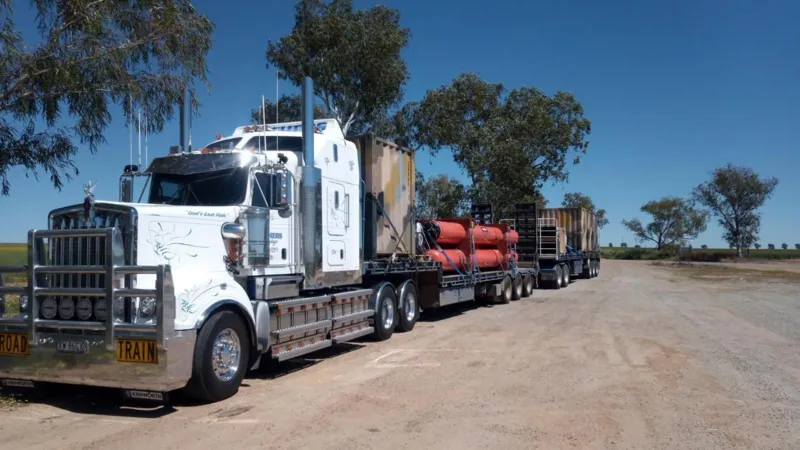
The diesel prices Australia crisis is raising alarm across the transport sector, with industry leaders warning that “out of control” fuel costs could seriously impact the country’s freight network.
As diesel prices continue to climb, freight operators are struggling to manage rising expenses. The diesel prices Australia crisis is now being seen as a major threat to supply chains, delivery timelines, and the overall cost of goods nationwide.
Diesel Prices Australia Crisis Explained
The diesel prices Australia crisis refers to the sharp increase in fuel costs affecting transport and logistics companies. Diesel is the backbone of Australia’s freight system, powering trucks that move goods across vast distances.
With prices surging, many operators are finding it increasingly difficult to stay profitable. The diesel prices Australia crisis is forcing businesses to either absorb losses or pass costs on to customers.
Why Diesel Prices Are Rising
Several factors are driving the diesel prices Australia crisis. Global oil market volatility, geopolitical tensions, and supply chain disruptions have all contributed to higher fuel costs.
Refining constraints and increased demand have also played a role. As a result, the diesel prices Australia crisis has become more unpredictable, making it harder for businesses to plan ahead.
Impact on the Freight Industry
The diesel prices Australia crisis is hitting the freight sector particularly hard. Transport companies rely heavily on diesel, meaning even small price increases can have a significant financial impact.
Many operators are reporting reduced margins, while smaller businesses face the risk of shutting down altogether. The diesel prices Australia crisis is also affecting delivery times, as companies adjust routes and schedules to cut costs.
Flow-On Effects for Consumers
The diesel prices Australia crisis doesn’t just affect freight companies. Higher transport costs are often passed down the supply chain, leading to increased prices for everyday goods.
From groceries to construction materials, the diesel prices Australia crisis is expected to contribute to broader inflation pressures. Consumers may start to notice higher prices across a range of products.
Industry Calls for Support
Industry groups are calling for government intervention to address the diesel prices Australia crisis. Suggestions include fuel tax relief, subsidies, and measures to stabilise supply.
Some experts argue that without support, the diesel prices Australia crisis could weaken a critical part of the economy, affecting both businesses and consumers.
Long-Term Challenges Ahead
The diesel prices Australia crisis also highlights the need for long-term solutions. While alternative energy options are being explored, diesel remains essential for heavy transport in the near future.
Transitioning to greener technologies will take time and investment, meaning the diesel prices Australia crisis is likely to remain a key issue for the foreseeable future.
Looking Ahead
As the diesel prices Australia crisis continues, businesses and policymakers face difficult decisions. Balancing economic stability with rising global costs will be a major challenge.
The diesel prices Australia crisis serves as a reminder of how dependent modern economies are on fuel, and how quickly price shifts can ripple through every sector.
All rights belong to their respective owners. This article contains references and insights based on publicly available information and sources. We do not claim ownership over any third party content mentioned.