The Western Australian Government will spend an additional $10.5 million over four years increasing scrutiny of Alcoa’s bauxite mining operations near Perth’s drinking water dams, following a year of mounting concern over the US mining giant’s environmental record in the state’s Northern Jarrah Forest. The funding boost comes as Alcoa works to repair its environmental credentials after a series of incidents raised questions about its impact on the water catchments supplying much of Perth’s drinking water.
The increased monitoring follows a genuinely difficult period for Alcoa’s WA operations, including concerns about incomplete rehabilitation of cleared forest areas, unauthorised construction near a vital drinking water dam, and a public environmental review process that drew an unprecedented 59,000 submissions from citizens, advocacy groups and local governments.
Why Alcoa’s Mining Draws Such Scrutiny
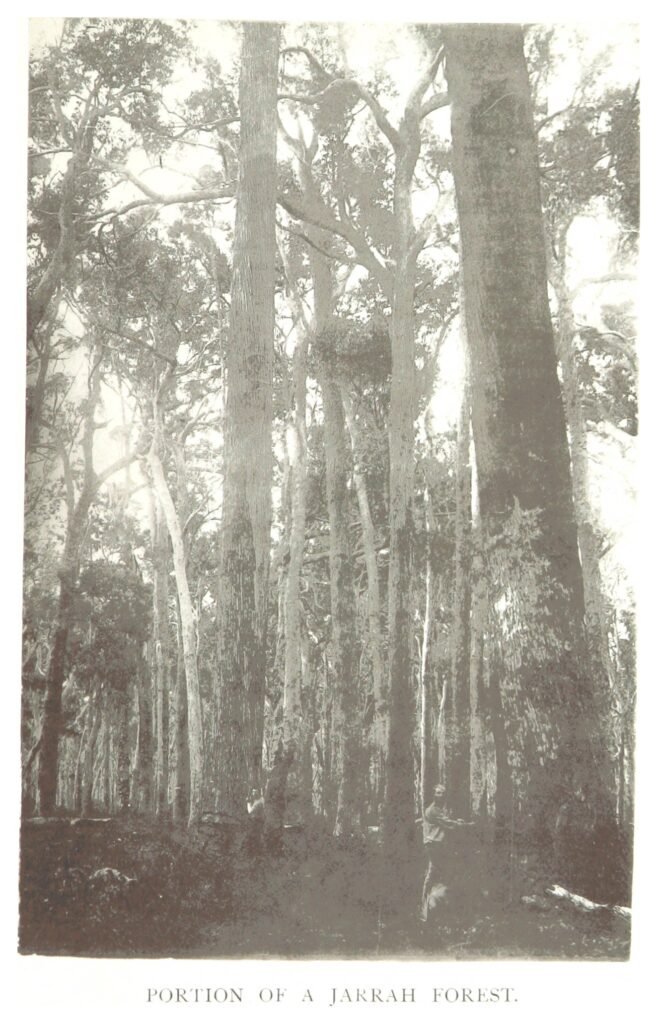
Alcoa has mined bauxite in WA’s Northern Jarrah Forest for six decades, extracting the raw material used to produce alumina at its Kwinana, Pinjarra and Wagerup refineries. The company’s mining lease spans catchment areas supplying a significant share of Perth’s drinking water, placing its operations in direct, ongoing tension with the need to protect water quality for one of Australia’s largest cities.
Environmental groups and the Noongar people, whose traditional lands include the forest, have raised sustained concerns that mining and associated dieback disease have degraded one of the world’s only jarrah forest ecosystems, home to several endangered cockatoo species and other unique flora and fauna found nowhere else.
New Conditions Imposed on Alcoa
Alongside the government’s expanded monitoring commitment, Alcoa has separately agreed to a range of stringent operating conditions, including increased separation distances between mining and drinking water reservoirs, a cap on forest clearing of 800 hectares per year, and a commitment to double its rehabilitation rate to reach 1,000 hectares annually by 2027. The company has also provided a $100 million guarantee intended to demonstrate confidence that its operations will not impair Perth’s drinking water supplies, though Water Corporation has previously indicated that sum may not be sufficient to remediate a major pollution incident should one occur.
Balancing Jobs Against Environmental Protection
Environment Minister Reece Whitby has described the government’s approach as focused on holding Alcoa to its environmental responsibilities while protecting Perth’s drinking water, a balancing act that also weighs the economic significance of Alcoa’s WA operations, which support hundreds of jobs across its mining and refining workforce and represent a significant contributor to the state’s alumina export industry.
The government has indicated it is considering the judicious use of legal and regulatory provisions to ensure continued bauxite supply to Alcoa’s refineries, while accompanying that approach with stringent conditions intended to guarantee high environmental standards are genuinely maintained rather than merely promised.
A History of Regulatory Tension
The increased monitoring funding follows previous regulatory action against Alcoa, including a $55 million penalty for unlawfully clearing parts of WA native forest, underscoring that the current scrutiny builds on a longer history of tension between the company’s mining ambitions and the state’s environmental protection obligations. The Environmental Protection Authority continues assessing Alcoa’s current and future mining operations in the Northern Jarrah Forest under the state’s environmental protection laws, with further decisions expected as that assessment process concludes.
What Comes Next
With the additional $10.5 million in monitoring funding now committed, WA regulators face the task of translating increased scrutiny into genuine, enforceable protection for Perth’s water catchments, while Alcoa works to demonstrate it can meet its rehabilitation and environmental commitments. For Perth residents reliant on the very dams within Alcoa’s mining lease for their drinking water, the outcome of this heightened oversight carries genuine, direct significance well beyond the technical detail of mining approvals and environmental conditions.
Modernising the Approvals Framework
Alongside the increased monitoring commitment, Alcoa has agreed to work with the WA Government to modernise the state agreements and approvals framework governing its two bauxite mines and three alumina refineries, transitioning proposed new mining areas to the more contemporary Environmental Protection Authority assessment and approvals process rather than relying on older, less transparent arrangements. That shift reflects broader pressure for greater public visibility into decisions that, as environmental groups have long pointed out, were historically assessed largely behind closed doors between the company and government.
Community and environmental advocates have cautiously welcomed the move toward a more contemporary assessment framework, while maintaining that genuine improvement will ultimately be judged by outcomes on the ground, including measurable water quality protection and forest rehabilitation, rather than by procedural changes to how approvals are granted.
Water Corporation has continued pressing the government for greater transparency from Alcoa around its management plans, arguing that limited information sharing to date has made it difficult to properly assess the potential long-term impacts of the company’s operations on Perth’s water scheme, a concern the expanded monitoring funding is partly intended to address.
For now, the additional funding stands as a tangible signal that the state government intends to keep a much closer watch on one of WA’s longest-running and most contentious resources operations, even as it continues to weigh the jobs and economic activity the company sustains.