Australia Fuel Shortage 2026: Causes, Impact, and What It Means for Consumers
Introduction
Australia is currently facing a growing fuel shortage that is affecting daily life, businesses, and transportation across several regions. Reports suggest that a significant number of service stations, especially in New South Wales, are running out of at least one type of fuel. This situation has raised concerns among consumers and prompted warnings from authorities about supply transparency.
In this article, you will learn what is causing the fuel shortage in Australia in 2026, how it is impacting people and industries, and what steps you can take to manage the situation. Whether you are a driver, business owner, or simply staying informed, this guide breaks everything down in a clear and simple way.
Table of Contents
- What is the Australia Fuel Shortage 2026
- Key Causes Behind the Fuel Crisis
- Latest Updates and Government Response
- Impact on Consumers and Businesses
- How to Manage Fuel During a Shortage
- Future Outlook
- Conclusion
- FAQs
What is the Australia Fuel Shortage 2026
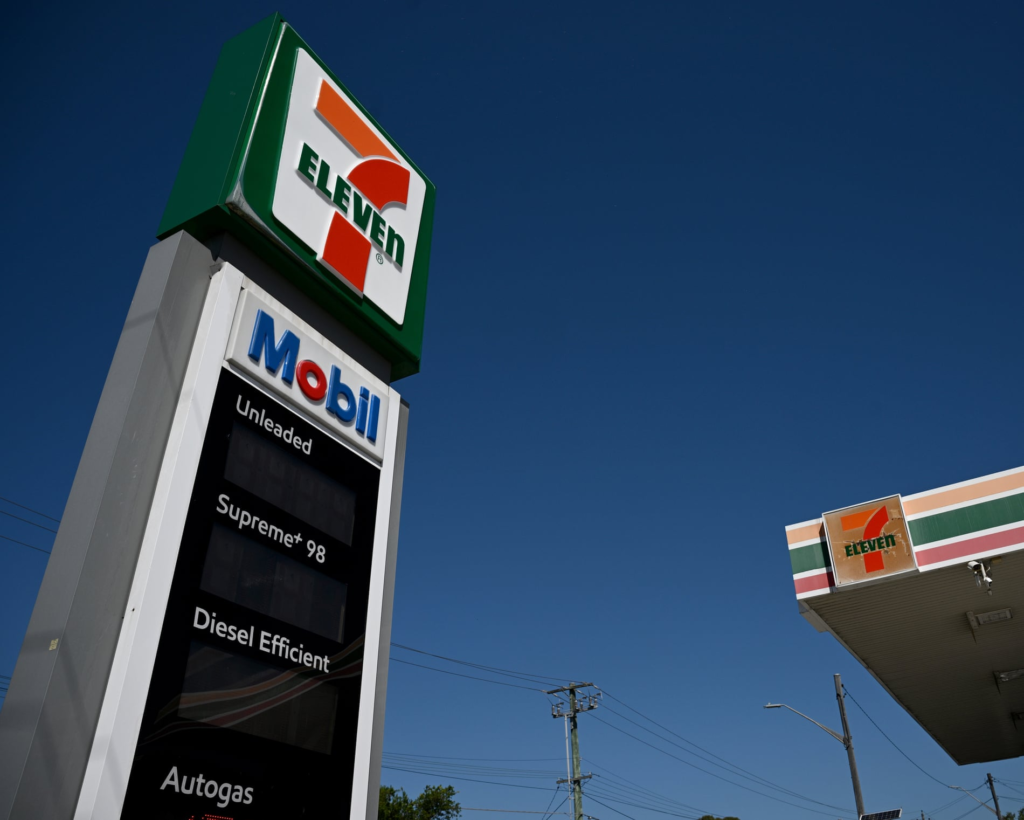
The Australia fuel shortage 2026 refers to the recent disruption in fuel supply across parts of the country. Many petrol stations are unable to provide all fuel types, with some completely running out of specific options like diesel or premium petrol.
This shortage is not a complete national shutdown, but it is serious enough to affect travel, logistics, and daily routines. It highlights weaknesses in supply chains and dependence on fuel imports.
Key Causes Behind the Fuel Crisis
Supply Chain Disruptions
One of the main reasons for the fuel shortage is disruption in global and local supply chains. Delays in shipping, port congestion, and logistical issues have slowed down fuel deliveries.
Import Dependency
Australia relies heavily on imported fuel. Any delay or issue in international supply immediately impacts availability within the country.
Refinery Closures
Over the years, several local refineries have shut down. This has reduced domestic production and increased reliance on imports.
Increased Demand
Demand for fuel has risen due to economic activity and travel. When demand grows faster than supply, shortages can happen quickly.
Distribution Challenges
Even when fuel is available, transporting it efficiently to all regions can be difficult. Some areas are affected more than others due to logistics.
Latest Updates and Government Response
Authorities have acknowledged the issue and are closely monitoring the situation. In Western Australia, leadership has issued warnings to fuel suppliers, emphasizing the need for transparency and better communication.
Recent updates include:
- Calls for fuel companies to clearly report supply levels
- Monitoring of service stations facing shortages
- Efforts to stabilize distribution networks
- Public awareness about fuel availability
The government aims to prevent panic buying and ensure fair distribution.
Impact on Consumers and Businesses
For Everyday Drivers
Drivers are experiencing:
- Limited fuel options at stations
- Longer waiting times
- Increased fuel prices in some areas
This can make daily commuting more stressful and unpredictable.
For Businesses
Industries that rely on fuel are facing challenges:
- Transport and delivery delays
- Increased operational costs
- Supply chain slowdowns
Small businesses, especially in logistics and delivery, are feeling the pressure the most.
For the Economy
Fuel shortages can affect economic activity by slowing down transportation and increasing costs across industries.
How to Manage Fuel During a Shortage
Plan Your Trips
Avoid unnecessary travel. Combine errands to reduce fuel usage.
Check Fuel Availability
Before heading out, check if nearby stations have the fuel you need. Many apps and local updates can help.
Drive Efficiently
Simple habits can save fuel:
- Maintain steady speed
- Avoid sudden acceleration
- Keep tires properly inflated
Avoid Panic Buying
Buying more fuel than needed can worsen shortages. Take only what you need.
Consider Alternatives
If possible:
- Use public transport
- Carpool with others
- Work remotely when available
Benefits of Awareness and Preparedness
Being informed during a fuel shortage helps you:
- Save time and money
- Reduce stress
- Make smarter travel decisions
- Avoid contributing to panic situations
Prepared individuals can adapt more easily to temporary disruptions.
Future Outlook
The Australia fuel shortage 2026 may ease as supply chains stabilize. However, it also raises long-term concerns about energy security.
Possible future developments include:
- Increased investment in local fuel production
- Expansion of fuel reserves
- Greater focus on renewable energy alternatives
- Improved supply chain management
This situation could push Australia to rethink its fuel dependency and move toward more sustainable solutions.
Conclusion
The Australia fuel shortage 2026 is a reminder of how fragile fuel supply systems can be. While the situation is still developing, understanding the causes and impacts can help you stay prepared.
By planning ahead, using fuel wisely, and staying informed, you can navigate this challenge more smoothly. At the same time, this issue highlights the need for long-term solutions to ensure stable and reliable energy access.
FAQs
1. Why is Australia experiencing a fuel shortage in 2026?
The shortage is mainly due to supply chain disruptions, high import dependency, increased demand, and limited local refining capacity.
2. Which areas are most affected?
New South Wales has reported significant issues, but other regions are also experiencing limited fuel availability.
3. Will fuel prices increase during the shortage?
Prices may rise in some areas due to supply and demand imbalance, but this can vary depending on location.
4. How long will the fuel shortage last?
It is expected to be temporary, but the duration depends on how quickly supply chains recover.
5. What can I do to cope with the shortage?
Plan trips carefully, avoid unnecessary driving, use fuel efficiently, and stay updated on local fuel availability.
All rights belong to their respective owners. This article contains references and insights based on publicly available information and sources. We do not claim ownership over any third party content mentioned.