The latest Australia unemployment rate figures show a jobs market that is cooling, but not collapsing. The Australian Bureau of Statistics (ABS) reported on 15 October that the seasonally adjusted unemployment rate rose 0.1 percentage points to 4.7% in September, while employment fell by 39,300 people. Western Australia bucked the national trend, with its jobless rate dropping to 4.2%.
For jobseekers, graduates and workers weighing a career move, the headline number only tells part of the story. Here is what the September data shows, why the ABS urges caution, how WA compares and what you can do to strengthen your position.
The Australia unemployment rate at a glance
The key seasonally adjusted figures from the ABS Labour Force release for September 2026 were:
- Unemployment rate: 4.7%, up 0.1 percentage points on August and 0.3 points higher than a year ago.
- Unemployed people: 732,000, an increase of 8,900 on the month.
- Employment: down 39,300 (0.3%) to 14,782,700 people.
- Full-time jobs: up 34,400 to 10,232,400, while part-time jobs fell 73,700 to 4,550,200.
- Youth unemployment: up 0.3 points to 11.1%.
- Underemployment: 6.3%, with the broader underutilisation rate at 11.0%.
- Participation: down 0.2 points to 66.8%.
The result was weaker than expected. Capital Brief reported that economists had broadly forecast the rate to hold at 4.6% with about 20,000 new jobs, and that 4.7% sits above the 4.5% the Reserve Bank had expected for the final quarter of the year.
Why the headline needs context
The ABS recommends caution when reading short-term movements. It said that, following August, a higher proportion of people remained unemployed compared with recent years, and that changes in survey methodology and sample rotation may have a residual influence on the data. It judged the figures fit for use but advised looking at trend data as the best measure of the underlying labour market.
The trend numbers tell a steadier story. In trend terms, the unemployment rate held at 4.6% in September, employment rose by 15,700 and the participation rate stayed at 66.9%. Monthly hours worked also edged up 0.1%, even as the headcount of employed people fell, suggesting employers adjusted hours rather than only cutting roles.
Analysts see a gradual loosening rather than a sudden shock. Westpac economists said new job creation is running slower than growth in the labour force and that they expect unemployment to peak at about 4.8% in mid-2027, though they flagged upside risk to that forecast.
How Western Australia compares
WA was one of the bright spots in the September release. In seasonally adjusted terms:
- Unemployment rate: 4.2%, down 0.2 points, level with South Australia as the lowest among the states.
- Employment: up 1.3% to 1,706,600 people.
- Participation: 69.1%, up 0.6 points and the highest of any state.
- Underemployment: 5.6%, below the national rate of 6.3%.
By comparison, Victoria recorded 5.1%, Tasmania 5.0%, New South Wales 4.7% and Queensland 4.5%. Because state figures swing more from month to month, the ABS trend estimate is a better guide: WA’s trend unemployment rate was 4.3%, with trend employment up 0.3% in September. That still points to a comparatively resilient WA jobs market.
Young jobseekers and the shift to part-time work
The youth unemployment rate of 11.1% is a reminder that entry-level roles remain harder to land than they were a couple of years ago. The September data also showed full-time employment rising while part-time work fell sharply, which can be a sign that workers who want more hours are not all finding them. Underemployment, which measures people who want to work more hours, edged up to 6.3% and is 0.4 points higher than a year earlier.
What jobseekers can do now
A softer market rewards preparation. These steps can help whatever the next release shows.
Read the trend, not the headline
Use trend figures and sector-specific job listings to judge demand in your field. National averages can hide big differences between industries and between states.
Tailor every application
With more candidates per role, generic applications are easy to overlook. Match your CV to the keywords in each advertisement and lead with measurable results.
Consider flexible or contract work as a bridge
Part-time, contract and project roles can keep your skills current and income flowing while you search for a permanent position, though check the hours and security on offer.
Invest in skills employers are asking for
Short courses, micro-credentials and on-the-job training can lift your profile. Check Jobs and Skills Australia and your state training agency for current demand and subsidised options.
Stay alert to recruitment scams
Higher unemployment gives scammers more targets. Verify recruiters independently and never pay for a job offer. See our report on recruitment scammers targeting Australian jobseekers on LinkedIn.
What to watch next
The next ABS Labour Force release, covering October, is due on 19 November. Interest rates are also part of the picture: the Reserve Bank lifted the cash rate to 4.60% on 29 September and its next decision is scheduled for 3 November, so weaker jobs data will be closely watched for signs of cooling pressure.
Frequently asked questions
What is the current unemployment rate in Australia?
The seasonally adjusted unemployment rate was 4.7% in September 2026. The trend rate, which the ABS prefers for underlying movements, was 4.6%.
What is the difference between trend and seasonally adjusted data?
Seasonally adjusted data removes regular seasonal patterns but can still jump around from month to month. Trend data smooths out that volatility to show the underlying direction.
Which state has the lowest unemployment rate?
Western Australia and South Australia both recorded 4.2% in seasonally adjusted terms in September, the lowest among the states.
When is the next unemployment data release?
The ABS will publish October 2026 Labour Force data on 19 November 2026.
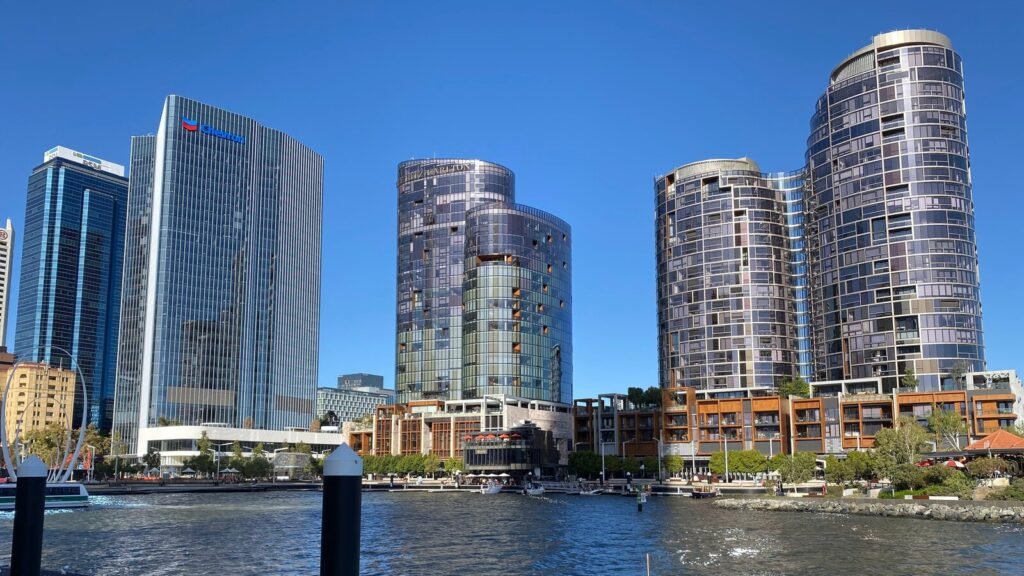
Image: -wuppertaler / Wikimedia Commons / CC BY 4.0 (cropped and resized)