At Main Roads Western Australia, the Makings of a Government-First Operational Platform
Government agencies are under increasing pressure to modernize their operations, improve efficiency, and deliver better services to the public. In Western Australia, Main Roads is taking a major step in that direction by building what is being described as a “government-first operational platform.”
This move reflects a broader shift toward digital transformation in the public sector. Instead of relying on outdated systems, agencies are investing in integrated platforms that improve decision-making, real-time monitoring, and service delivery.
In this article, you’ll learn what this operational platform is, why it matters, and how it could shape the future of government services in Australia.
Table of Contents
- What is Main Roads Western Australia
- What is a government-first operational platform
- Key features of the new system
- Benefits for government and public services
- Challenges and considerations
- Future outlook
What Is Main Roads Western Australia
Main Roads Western Australia is the state government agency responsible for managing and maintaining the road network.
Its responsibilities include:
- Road planning and development
- Traffic management
- Infrastructure maintenance
- Safety improvements
As the demand for smarter transport systems grows, the agency is evolving its approach to operations.
What Is a Government-First Operational Platform
A government-first operational platform is a centralized digital system designed specifically for public sector needs.
Unlike traditional systems, it focuses on:
- Integration across departments
- Real-time data access
- Improved coordination and response
The goal is to create a more efficient and responsive government operation.
Key Features of the New System
Real-Time Data Monitoring
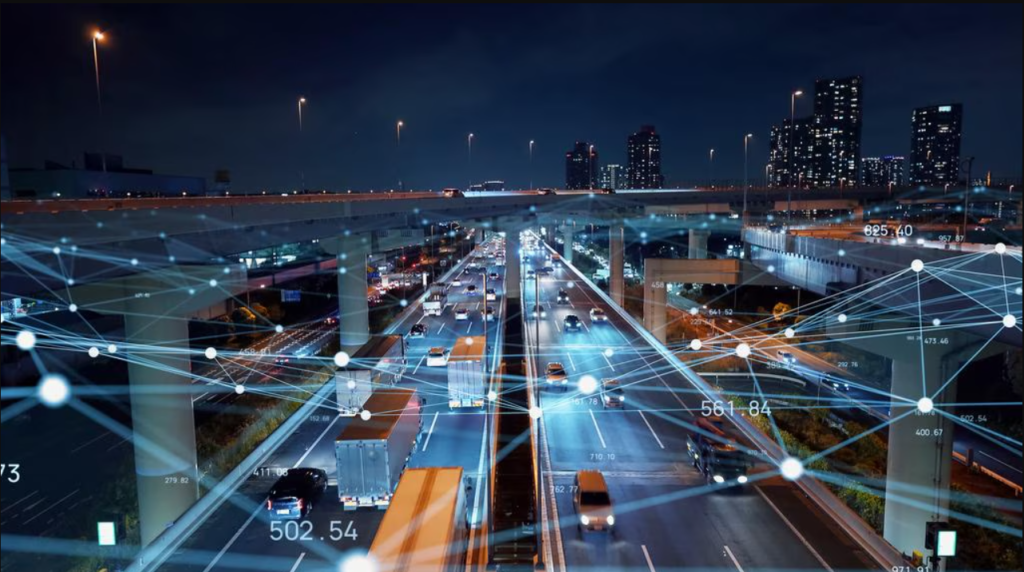
The platform allows authorities to monitor road conditions and traffic in real time.
This helps with:
- Faster incident response
- Better traffic flow management
- Improved safety
Integrated Systems
Different systems are connected into one unified platform.
This reduces:
- Data silos
- Manual processes
- Communication delays
Data-Driven Decision Making
Officials can use data insights to make better decisions.
This includes:
- Planning infrastructure upgrades
- Managing congestion
- Allocating resources efficiently
Scalability and Flexibility
The platform is designed to adapt to future needs.
It can support:
- New technologies
- Growing data volumes
- Changing operational requirements
Benefits for Government and Public Services
Improved Efficiency
Automation and integration reduce the need for manual work.
This leads to faster operations and lower costs.
Better Public Services
Citizens benefit from:
- Safer roads
- Reduced traffic congestion
- Faster response to incidents
Enhanced Transparency
Data-driven systems can improve accountability and transparency in government operations.
Stronger Collaboration
Different departments can work together more effectively through shared systems.
Challenges and Considerations
Implementation Complexity
Building and integrating such a platform is a complex process.
It requires:
- Technical expertise
- Significant investment
- Careful planning
Data Security
Handling large amounts of data raises security concerns.
Strong safeguards are necessary to protect sensitive information.
Change Management
Adopting new systems can be challenging for staff.
Training and support are essential for smooth transitions.
Future Outlook
The development of a government-first operational platform at Main Roads Western Australia represents a significant step forward.
Looking ahead:
- More government agencies may adopt similar systems
- Technology will play a larger role in public infrastructure management
- Citizens will expect faster, smarter services
This initiative could serve as a model for other regions aiming to modernize their operations.
Conclusion
Main Roads Western Australia’s move toward a government-first operational platform highlights the growing importance of digital transformation in the public sector. By integrating systems, leveraging real-time data, and improving decision-making, the agency is setting the stage for more efficient and responsive services.
While challenges remain, the long-term benefits for both government and the public are significant. As technology continues to evolve, such platforms will likely become a standard part of modern governance.
FAQ Section
What is a government-first operational platform?
It is a centralized digital system designed to improve efficiency and coordination in government operations.
Why is Main Roads WA adopting this platform?
To improve traffic management, decision-making, and service delivery.
How does this benefit the public?
It leads to safer roads, better traffic flow, and faster responses to incidents.
What are the main challenges?
Implementation complexity, data security, and staff adaptation.
Will other agencies adopt similar systems?
Yes, this model could be adopted by other government departments in the future.
All rights belong to their respective owners. This article contains references and insights based on publicly available information and sources. We do not claim ownership over any third party content mentioned.