AI and jobs in Australia is back in the headlines after weekend reports claimed a new government report predicted 139,000 jobs would be lost to artificial intelligence. Jobs and Skills Australia (JSA) has now said that is not what the report found. The agency clarified that its Jobs and Skills Report 2026 modelled a scenario in which employment growth shifts towards trades and technical roles, and that the scenario did not consider the impact of AI at all.
The correction matters for students, graduates and career changers deciding what to study or which role to chase. Here is what the data actually shows, where the shortages are and how to prepare.
What the 139,000 figure means for AI and jobs in Australia
According to the JSA statement, the report presented a modelled scenario in which people make education and career choices in line with labour market demand. Over the next decade, that would produce 106,000 more Skill Level 3 and 4 workers, such as trades and technical staff, and 139,000 fewer Skill Level 1 workers, such as professionals, compared with baseline projected growth.
In that scenario, growth in Skill Level 1 occupations is still projected to account for 47% of total employment growth. The agency stressed that the scenario does not consider AI, geopolitical conflict or other similar disruptions. In other words, the figure is about where workers might choose to train, not a forecast of AI wiping out jobs.
Are graduate jobs disappearing?
The debate is real even if the headline was wrong. Indeed’s Hiring Lab reported in April that graduate job postings fell almost 15% in 2025, with signs of a modest rebound in early 2026. It said the evidence that AI is the main driver is not strong, and that graduates did not appear to be finding it harder to get work.
A news.com.au investigation, republished by Australia News Beep, paints a harsher picture. It cited Indeed data showing graduate postings 35% lower than in 2023, and reported that PwC Australia had cut entry-level roles by 6% and would recruit half its 2027 graduate intake from non-accounting backgrounds. The report also noted that NAB recently announced a restructure that would cut 2,500 jobs.
Automation versus augmentation
SEEK’s analysis of millions of job ads points to two forces pulling in opposite directions. As Yahoo Finance reported, in roles where AI mostly helps people do tasks, the share of early-career ads has increased since ChatGPT launched in November 2022. In roles where AI does the tasks itself, demand has fallen. SEEK chief economist Dr Blair Chapman said AI may be increasing demand for junior workers in some white-collar roles.
Knowledge-based occupations make up close to 40% of Australian employment, so the split matters. SEEK data cited by recruiter Woods&Co shows ads mentioning AI skills were up 70.2% over the year to September, while ads mentioning agentic AI skills rose 199.2%. Competition is also rising, with applications per ad up 1.7% in August.
Where shortages remain
The JSA Occupation Shortage List 2026, released on 21 October, rates 279 of 1,021 assessed occupations, or 27%, as being in national shortage, according to a summary of the list. That is down from 29% in 2025 and a peak of 36% in 2023. Nursing, engineering, trades and early childhood teaching remain short of workers, and almost half of technicians and trades workers are in shortage, as are 37% of professionals.
What it means for Western Australia
WA’s resources, construction and health sectors employ many of the trades, technical and health workers who appear on shortage lists. As our report on the latest unemployment figures showed, WA’s jobless rate fell to 4.2% in September, below the national rate. For students weighing options, our coverage of the proposed WA university merger is a reminder that the study landscape itself is shifting.
How to future-proof your career
No single number can predict your career, but these steps are consistent with the evidence:
- Learn the tools in your field: Where AI augments work, employers appear to value people who can use it well.
- Build human skills: JSA’s acting commissioner has said human judgement, expertise and adaptability remain critical, according to reports.
- Look at trades, technical and health pathways: Check the shortage list when choosing training, but also match it to your strengths and local demand.
- Gain practical experience: Internships, placements and projects set applicants apart in a crowded entry-level market.
- Check the source of scary headlines: Compare media claims with the original report or agency statement before changing plans.
What to watch next
The ABS will publish October labour force data on 19 November. Keep an eye on graduate hiring announcements from large employers and further analysis from JSA, SEEK and Indeed. Any new numbers on AI’s impact are likely to be debated just as hard as this one.
Frequently asked questions
Did Jobs and Skills Australia predict 139,000 jobs lost to AI?
No. JSA says its report modelled a scenario shifting employment growth towards trades and technical roles, and that the scenario did not consider AI.
Is AI the reason graduate jobs have fallen?
The evidence is mixed. Indeed says there is only tentative evidence that AI is influencing graduate hiring, while other reports point to employer restructuring and cost pressures.
Which jobs are in shortage in Australia?
Nursing, engineering, trades and early childhood teaching are among the occupations still rated in shortage, according to JSA’s 2026 list.
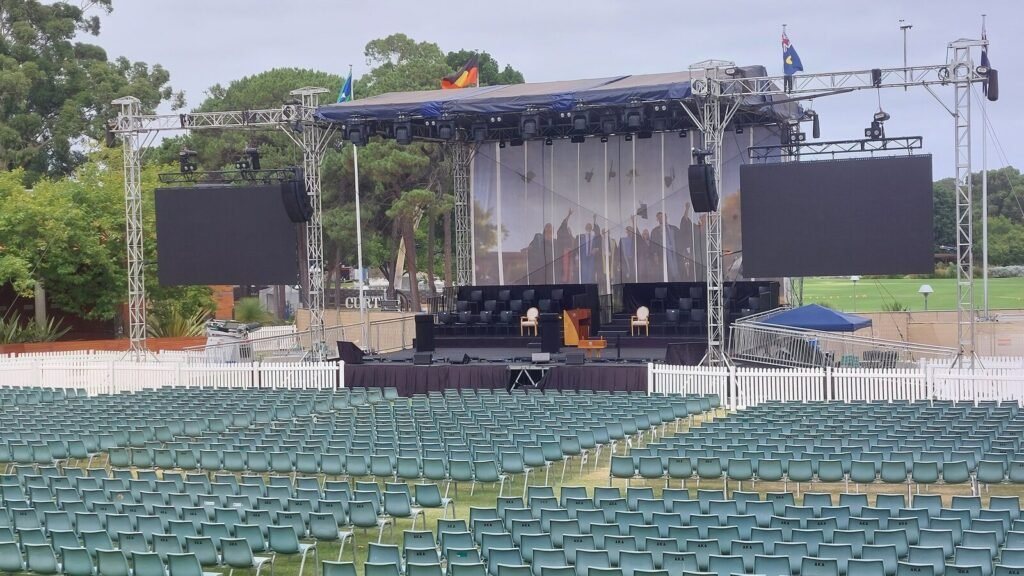
Image: Orderinchaos / Wikimedia Commons / CC BY 4.0 (cropped and resized)