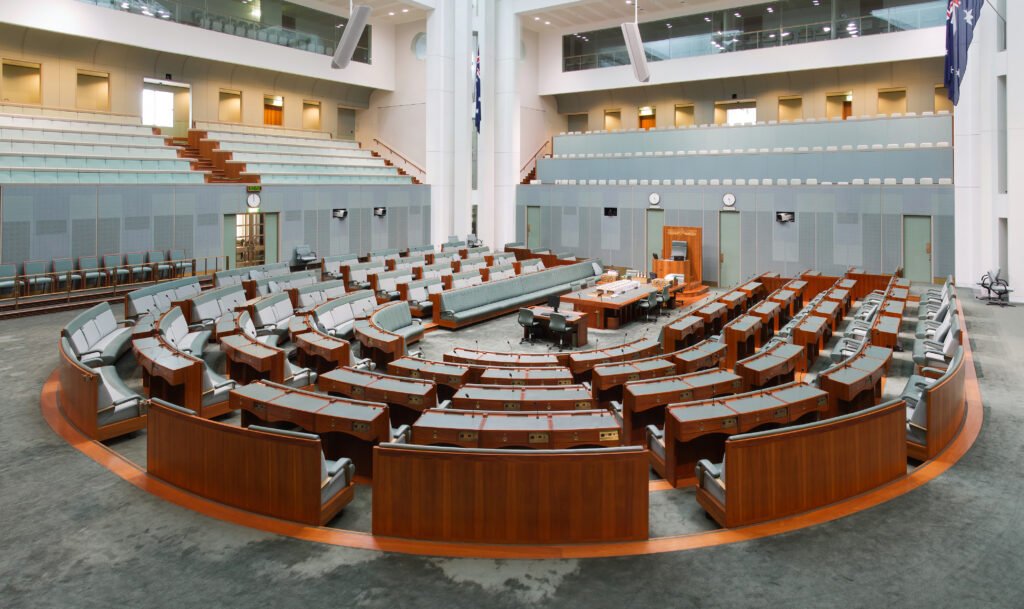
Western Australia’s Parliament has passed the State Development Bill 2025, legislation the Cook Government describes as the biggest reform to the state’s development approval framework since 1952. The Bill gives Premier Roger Cook, in his capacity as State Development Minister, sweeping new powers to declare State Development Areas and Priority Projects, backed by a newly empowered Coordinator General tasked with coordinating approvals across government agencies.
Introduced into Parliament in September 2025 and passed in December, the Bill emerged from discussions at a Trade and Economic Resilience roundtable convened by the Premier, and builds on the government’s earlier commitment to establish a WA Productivity Commission alongside planning and environmental approval reforms delivered during its previous term.
What the Legislation Changes
The new framework replaces WA’s historic reliance on individually negotiated State Agreements, a mechanism first used in 1952 to underpin the BP refinery development in Kwinana and since applied extensively across iron ore, alumina, forestry and solar salt projects. No new State Agreements have been enacted since 2017, prompting the government to argue a more agile, centrally coordinated approvals system was needed to keep pace with a more competitive, time-sensitive global investment environment.
Under the new laws, the Coordinator General’s powers will apply only to the most strategically significant precincts and projects, with other private sector developments continuing to be managed through the existing Department of Energy and Economic Diversification framework, a distinction the government has emphasised in response to concerns about the scope of the new powers.
The Priority Sectors
Premier Cook has framed the legislation as central to securing manufacturing-led investment in clean energy, critical minerals and defence, specifically citing the transition out of coal-fired power generation, production of clean downstream products such as green iron, and establishing Western Australia as the largest naval shipbuilding and maintenance hub in the Southern Hemisphere as priority outcomes the streamlined framework is designed to help secure.
Sharp Criticism From Environmental and Legal Groups
The Bill has drawn pointed opposition from environmental and legal advocacy groups, who argue its powers go well beyond reasonable streamlining. The WA Greens have described the legislation as a power grab dressed up as reform, warning it would let the Premier bypass normal assessment processes for projects the government itself labels a priority, potentially overriding dozens of existing laws and limiting public consultation, EPA scrutiny and appeal rights.
The Law Society of Western Australia raised similar concerns in formal correspondence to the Premier, noting the Bill was introduced without an opportunity for stakeholder consultation and warning its practical implications extend well beyond the coordination and facilitation objectives stated in the legislation itself, potentially allowing ministers to override conventional environmental protection safeguards.
Government’s Defence of the Reforms
Premier Cook has consistently defended the reforms as necessary to future-proof WA’s regulatory system, arguing the state’s historic State Agreement mechanism, while valuable, had become too complex and slow for the smaller, more diverse projects increasingly seeking investment approval today. The government maintains high standards of environmental protection will be preserved even as approval timeframes become more predictable and time-sensitive for proponents.
What Comes Next
With the legislation now passed, attention turns to how the Coordinator General, former Director-General Chris Clark, exercises the new powers in practice, and which projects the Premier chooses to declare as State Development Areas or Priority Projects. Further reforms to WA’s broader approvals system are expected through 2026, suggesting the State Development Bill represents an opening chapter rather than the complete overhaul of how major projects move through the state’s regulatory system.
How This Compares to Other States
WA’s move toward centralised, ministerially driven fast-track approvals echoes similar reforms pursued in other Australian jurisdictions seeking to accelerate major project delivery, though the scale of powers granted to a single minister under the WA legislation has drawn particular attention from legal commentators comparing it to approval frameworks elsewhere in the country. Some interstate observers have suggested WA’s approach could become a reference point, for better or worse, as other states weigh their own approval system reforms against the trade-off between speed and scrutiny the legislation represents.
Whether the reforms ultimately deliver the faster investment attraction the government promises, without the erosion of environmental and community safeguards critics fear, will likely become clearer only once the Coordinator General begins exercising the new powers on specific declared projects in the months ahead.
Federal MPs from WA have also weighed in on the debate, generally supportive of the broader push for faster investment approvals while echoing some of the same concerns raised by legal and environmental groups about ensuring adequate scrutiny remains built into the new system.
The Bill’s passage caps off a year of significant regulatory reform activity for the Cook Government, part of a broader pattern of the state positioning itself aggressively to compete for the kind of large-scale capital investment increasingly being courted by resource and manufacturing-rich jurisdictions worldwide.