
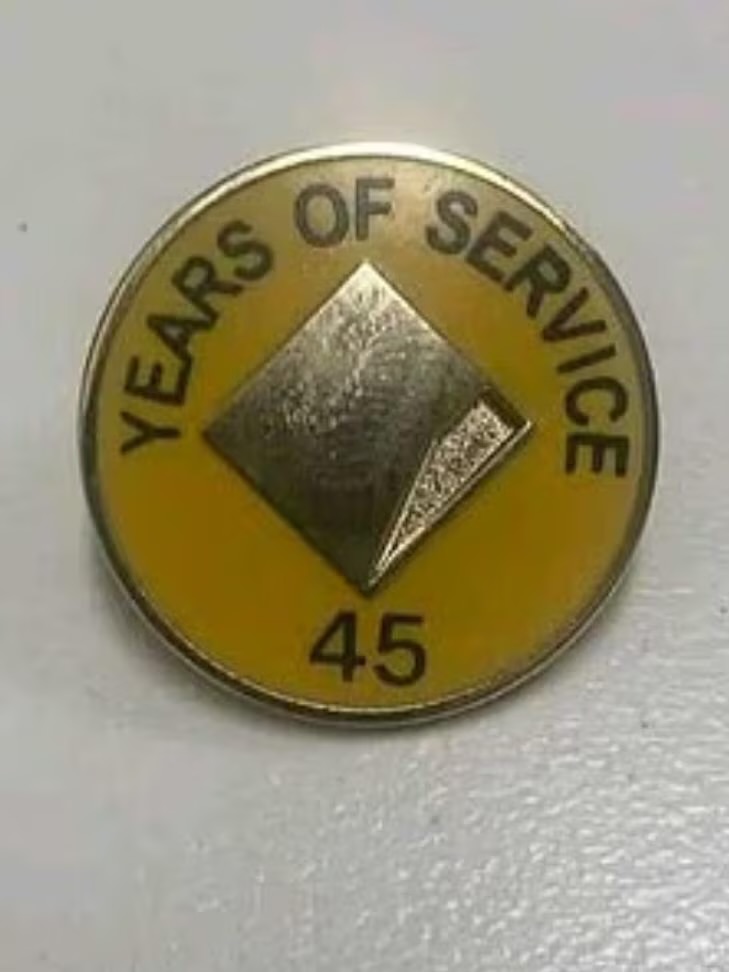
“Pathetic”: Son Slams Commonwealth Bank After Mum Receives Pin and Flowers for 45 Years of Service
Introduction
A long-serving employee’s farewell has sparked public backlash after her son criticized Commonwealth Bank for what he described as a “pathetic” send-off. After 45 years of employment, the woman reportedly received only a commemorative pin and flowers, raising questions about how companies value loyalty and long-term service.
The story has struck a nerve online, with many people sharing similar experiences and debating what fair recognition should look like in today’s workplace.
In this article, you’ll learn what happened, why the reaction has been so strong, and what it says about workplace culture.
Table of Contents
- What happened in this case
- Why the reaction has been so strong
- Workplace recognition and expectations
- Broader issues in corporate culture
- How companies can do better
- What this means for employees
What Happened in This Case
The controversy began when a woman retired after 45 years working at Commonwealth Bank.
According to reports:
- She was given a small token of appreciation
- The gift included a pin and flowers
- No significant recognition or reward was provided
Her son publicly criticized the gesture, calling it inadequate for such a long career.
Why the Reaction Has Been So Strong
Emotional Value of Loyalty
Spending decades with one employer is increasingly rare.
Many people feel that:
- Long-term loyalty should be properly rewarded
- Recognition should reflect years of dedication
Social Media Amplification
The story gained attention online, where users:
- Shared similar experiences
- Expressed frustration with corporate practices
Changing Expectations
Modern workers expect more meaningful recognition, especially for major milestones like retirement.
Workplace Recognition and Expectations
Traditional Approaches
In the past, recognition often included:
- Long-service awards
- Small gifts or ceremonies
Modern Expectations
Today, employees may expect:
- Financial bonuses
- Public recognition
- Personalized appreciation
The gap between expectations and reality can lead to dissatisfaction.
Broader Issues in Corporate Culture
Cost vs Appreciation
Companies may focus on controlling costs, but this can:
- Undermine employee morale
- Damage public perception
Employee Retention
Recognition plays a role in:
- Job satisfaction
- Loyalty
- Workplace culture
Public Image
Stories like this can affect how a company is viewed by:
- Customers
- Potential employees
How Companies Can Do Better
Meaningful Recognition
Employers can:
- Offer tailored rewards
- Acknowledge individual contributions
Financial Incentives
Providing bonuses or benefits can reflect the value of long-term service.
Celebrating Milestones
Publicly recognizing achievements can:
- Boost morale
- Strengthen workplace culture
What This Means for Employees
Awareness of Value
Employees may become more aware of:
- Their worth in the workplace
- The importance of negotiating benefits
Changing Career Trends
Long-term employment with a single company is becoming less common.
Importance of Workplace Culture
People are increasingly choosing employers who:
- Value and recognize contributions
- Offer meaningful rewards
Conclusion
The backlash over this retirement gesture highlights a deeper issue about how companies recognize long-term service. While traditions may have changed, expectations around appreciation have clearly evolved.
For employers, this is a reminder that recognition matters, not just internally but also publicly. For employees, it reinforces the importance of understanding how their contributions are valued.
FAQ Section
What happened in this case?
A woman received a pin and flowers after 45 years of service, which sparked criticism.
Why are people upset?
Many feel the recognition was insufficient for such a long career.
What should companies provide instead?
More meaningful rewards such as bonuses, ceremonies, or personalized recognition.
Does this affect company reputation?
Yes, public reactions can influence how a company is perceived.
Is long-term employment still common?
It is becoming less common as career patterns change.
All rights belong to their respective owners. This article contains references and insights based on publicly available information and sources. We do not claim ownership over any third party content mentioned.