SA Authorities Confirm Port Lincoln Tuna Deaths Not Caused by Harmful Algal Bloom
Introduction
Authorities in South Australia have confirmed that recent tuna deaths near Port Lincoln were not caused by a harmful algal bloom, easing initial concerns about a widespread environmental threat. The incident had raised alarms among fishers and the aquaculture industry, given the region’s importance to Australia’s tuna sector.
While harmful algal blooms are a known risk to marine life, officials now say another cause is responsible. Investigations are continuing to determine exactly what led to the deaths.
In this article, you’ll learn what happened, why algal blooms were initially suspected, and what this means for the local industry.
Table of Contents
- What happened in Port Lincoln
- What is a harmful algal bloom
- Why it was initially suspected
- What authorities have confirmed
- Possible causes being investigated
- Impact on the tuna industry
What Happened in Port Lincoln
Port Lincoln
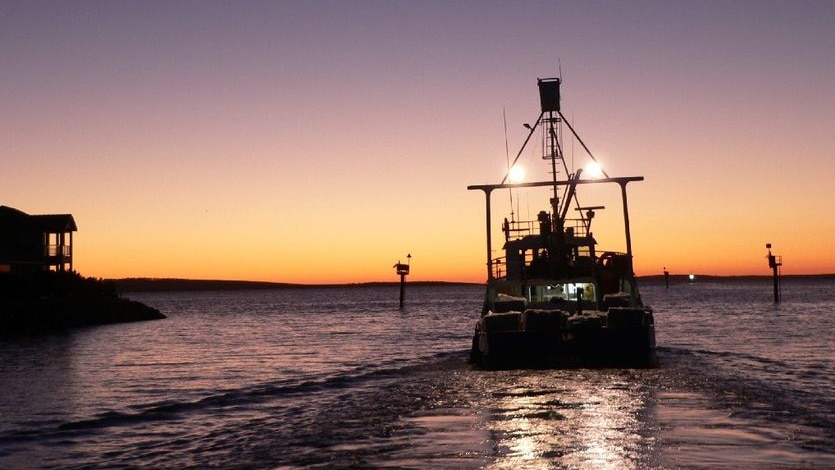
Reports emerged of tuna deaths in waters near Port Lincoln, a major hub for Australia’s tuna farming industry.
Key points include:
- Fish deaths detected in aquaculture operations
- Concerns raised by industry operators
- Immediate investigations launched by authorities
The situation prompted rapid response due to the economic importance of the region.
What Is a Harmful Algal Bloom
A harmful algal bloom (HAB) occurs when algae grow rapidly and produce toxins that can harm marine life.
These blooms can:
- Deplete oxygen in the water
- Release toxins harmful to fish
- Disrupt ecosystems
They are often linked to environmental factors like temperature and nutrient levels.
Why It Was Initially Suspected
Harmful algal blooms are a common cause of sudden fish deaths.
Early signs that raised suspicion included:
- Unusual fish mortality
- Environmental conditions that could support algal growth
Given past incidents, authorities considered this a likely cause at first.
What Authorities Have Confirmed
Investigations have now ruled out harmful algal blooms as the cause of the tuna deaths.
This means:
- No evidence of toxic algae was found
- Water conditions did not match typical bloom events
Authorities are continuing to examine other possible causes.
Possible Causes Being Investigated
Several alternative explanations are being considered.
Environmental Factors
Changes in water conditions such as:
- Oxygen levels
- Temperature fluctuations
Disease or Stress
Fish may be affected by:
- Illness
- Stress from environmental changes
Operational Factors
Conditions within aquaculture systems may also play a role.
Further testing and analysis are ongoing.
Impact on the Tuna Industry
Economic Importance
Port Lincoln is a key center for tuna farming in Australia.
Fish deaths can result in:
- Financial losses
- Supply disruptions
Industry Response
Operators are working closely with authorities to:
- Monitor conditions
- Prevent further losses
Reassurance for Markets
Ruling out harmful algal blooms may help maintain confidence in seafood safety.
Conclusion
The confirmation that harmful algal blooms are not responsible for the tuna deaths near Port Lincoln provides some reassurance, but questions remain. Authorities are continuing investigations to identify the exact cause and prevent future incidents.
For the tuna industry, understanding what happened is critical to protecting both production and reputation. As more information becomes available, it will help guide better management and response strategies.
FAQ Section
Where did the tuna deaths occur?
Near Port Lincoln in South Australia.
What is a harmful algal bloom?
It is a rapid growth of algae that can produce toxins harmful to marine life.
Was an algal bloom responsible?
No, authorities have ruled it out.
What could have caused the deaths?
Possible causes include environmental factors, disease, or stress.
Is the tuna safe to consume?
Authorities have not linked the incident to food safety concerns.
All rights belong to their respective owners. This article contains references and insights based on publicly available information and sources. We do not claim ownership over any third party content mentioned.