A Broome-based Yawuru Walman elder who has spent seven decades advocating for reconciliation between Indigenous and non-Indigenous Australians is being celebrated as one of Western Australia’s most enduring community voices. Elsta Foy began her advocacy work as a teenager and, well into her eighties, shows no sign of slowing down, a commitment that has seen her recognised among contenders for Western Australian of the Year.
Foy’s story is, in many ways, the story of the modern reconciliation movement in Western Australia itself, spanning an era of formal government apologies, native title recognition, and an evolving public conversation about Indigenous history that has shifted dramatically since she first began speaking out as a young woman in the Kimberley.
A Lifetime of Community Advocacy
Foy’s advocacy has taken many forms over the decades, from grassroots community organising in Broome to representing Yawuru interests in formal negotiations and public forums on Indigenous rights and reconciliation. Community members describe her as a steady, patient presence who has mentored younger generations of Indigenous leaders while continuing to front public reconciliation events herself well into her later years.
Her work has coincided with significant milestones in the broader Australian reconciliation movement, including the 2008 National Apology to the Stolen Generations and various native title determinations across the Kimberley region that have formally recognised traditional ownership of land held by Yawuru people for tens of thousands of years. Foy has often spoken about these milestones not as endpoints but as steps in an ongoing process that requires continued vigilance and community engagement to translate symbolic recognition into practical outcomes.
Why Recognition Now Matters
Being put forward for state-level recognition brings renewed public attention to reconciliation work that, for most of its history, has happened away from the spotlight in community halls, negotiating rooms and quiet mentoring conversations rather than in front of cameras. Advocates say this kind of recognition matters because it signals to younger Indigenous Australians that community-building, patient advocacy work carries the same civic value as more visible forms of public leadership.
For non-Indigenous Western Australians, elders like Foy also play an important educational role, offering firsthand accounts of history and culture that help bridge understanding in a state where reconciliation conversations can vary significantly between the more diverse, engaged environment of Perth and some regional and remote communities where relationships between Indigenous and non-Indigenous residents remain more complex.
The Kimberley Context
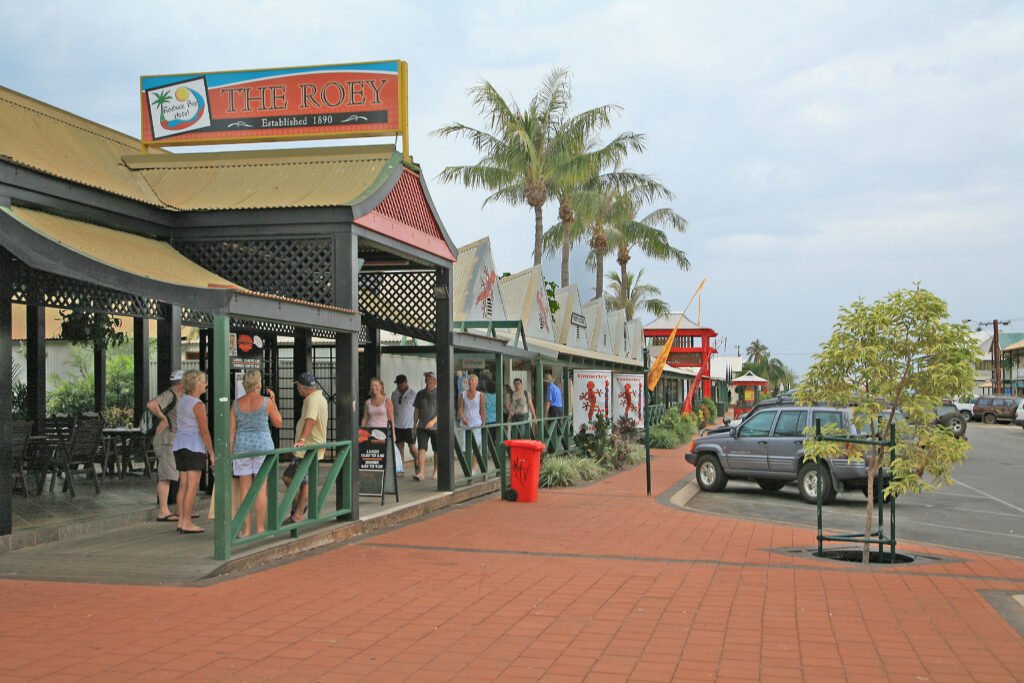
Broome and the wider Kimberley region have long been a focal point for Indigenous cultural life and reconciliation activity in Western Australia, home to a strong tradition of Aboriginal art, storytelling and community leadership that has shaped state and national conversations about Indigenous rights. Yawuru people, as traditional owners of the Broome area, have played a particularly prominent role in that history, including through the Yawuru Native Title Determination, which recognised the group’s connection to land and waters around Broome after a long legal and political process.
Local leaders say figures like Foy have been instrumental in ensuring that formal legal recognition of native title has been matched by genuine, ongoing community relationship-building, rather than treating legal outcomes as the end of the reconciliation conversation.
A Legacy Still Being Written
Those who have worked alongside Foy describe her approach as one grounded in patience and relationship-building rather than confrontation, a style that has allowed her to maintain credibility and influence across successive generations of both Indigenous and non-Indigenous community leaders in the Kimberley. Even as formal recognition and awards come her way, community members say Foy remains focused on the next generation of advocates she is mentoring, rather than on personal accolades.
As Western Australia continues to navigate its own reconciliation journey, including ongoing conversations about truth-telling and treaty processes at state and national level, the decades of grassroots work done by community elders like Elsta Foy is increasingly recognised as foundational to whatever progress the state makes next. Her seventy years of advocacy stand as a reminder that reconciliation, at its core, is built through sustained community relationships rather than single moments of formal recognition.
Passing the Baton to Younger Advocates
A significant part of Foy’s recent focus has been mentoring, working alongside younger Yawuru community members and Indigenous leaders from across the Kimberley to ensure the region’s advocacy work continues well beyond her own lifetime. Colleagues describe this mentoring role as one of her most important, if least visible, contributions, helping build a bench of future community leaders who carry forward both cultural knowledge and practical experience in negotiating with government and industry.
Local schools and community organisations in Broome regularly invite elders including Foy to share cultural knowledge and history with younger generations, a practice that has become an increasingly formalised part of reconciliation education in the region, helping ensure that firsthand accounts of the area’s history are not lost as the generation who lived through earlier eras of activism grows older.