Western Australia’s state government has committed $6.5 million over the next four years to support the local space industry, with $2.5 million directed to Curtin University’s Binar Space Program and a further $4 million awarded to AROSE, a Perth-headquartered industry consortium working to establish WA as a world leader in remote operations both on Earth and in space. The funding extends state government backing for the homegrown satellite program through to 2030.
Science and Innovation Minister Stephen Dawson said the continued investment would help the Binar Space Program build on its already significant achievements, positioning Western Australia’s space sector for further growth as global demand for satellite technology, remote sensing and space-enabled services continues to expand rapidly.
What the Binar Program Has Achieved
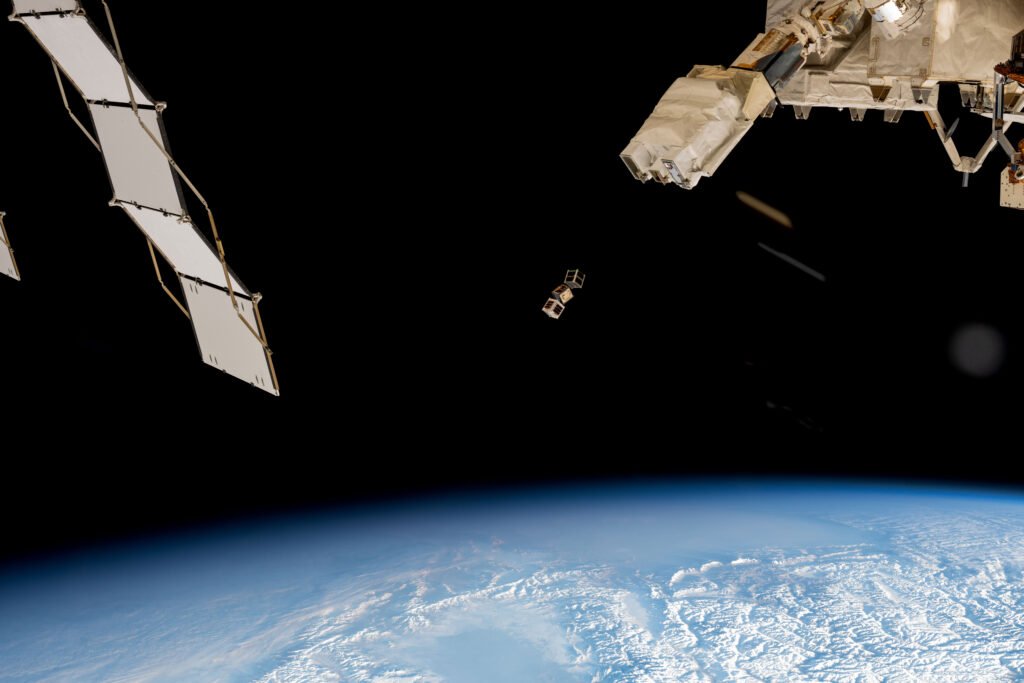
Run out of Curtin University’s Space Science and Technology Centre, the Binar Space Program designs, develops, tests and operates small satellites known as CubeSats, named after the Noongar word for fireball. Four Binar satellites have been successfully launched since the program’s first spacecraft reached orbit in 2021, with a further three launches expected before the end of the year, building toward what would be Australia’s first homegrown constellation of satellites in space.
The program has been credited with developing a cost-effective, sovereign platform for satellite manufacturing, lowering the traditional barriers of entry for researchers, startups and government agencies looking to access space-based capabilities without the enormous costs historically associated with satellite development and launch.
Building Local Skills Alongside Local Satellites
Beyond its technical achievements, the Binar Space Program carries a deliberate education and workforce development mission, training high school students, undergraduates, graduates and postgraduates in satellite design, manufacture and operation. That training pipeline is seen as increasingly important given Australia’s Civil Space Strategy has set a target of creating up to 20,000 new space-related jobs nationally by 2030, a target WA is positioning itself to capture a meaningful share of through programs like Binar.
Curtin has also introduced a dedicated Space and Planetary Science major, giving students a structured academic pathway into careers spanning satellite design, planetary exploration, remote sensing and mission operations, fields that until recently offered few career pathways within Australia without relocating overseas to established space hubs in the United States or Europe.
Part of a Broader WA Space Strategy
The funding announcement sits within the state government’s broader Space Industry Strategy 2024 to 2030, which identifies space as a priority sector under its Diversify WA economic diversification agenda, alongside commitments to strengthening STEM education and workforce capability across the state. The strategy reflects growing recognition within WA government and industry circles that the state’s natural strengths, including geographic isolation offering clear skies and a low radio interference environment, combined with an established resources and remote operations sector, position it well to build a genuine space industry niche.
AROSE’s parallel funding allocation reflects a complementary focus on remote operations technology, capability the organisation argues has direct crossover potential between space applications and WA’s existing expertise in remotely operating mining equipment and infrastructure from control centres located hundreds or even thousands of kilometres from the physical operation itself.
What Comes Next
With three further Binar satellite launches planned before the end of the year, the program is on track to reach a significant milestone in Australia’s space history if the launches succeed in establishing the country’s first homegrown satellite constellation. For Western Australia, continued state government backing through to 2030 provides the kind of long-term funding certainty that space programs, with their multi-year development and testing cycles, typically require to build sustained momentum rather than relying on shorter, less predictable funding commitments.
Commercial and Research Spillovers
Beyond its scientific and educational value, the Binar Space Program has helped spawn a small but growing ecosystem of WA-based space companies and research collaborations. Perth-based satellite company LatConnect 60 holds exclusive tasking rights over a Surrey Satellite observation satellite covering Australia, Asia Pacific and the Middle East, and is separately developing its own constellation of satellites designed to measure carbon emission concentrations from space, with its first satellite scheduled for launch into low Earth orbit in 2026.
Curtin is also collaborating with international partners Sitael and Fugro on a geophysical survey mission designed to identify lunar resources from orbit, an ambitious project that builds directly on capabilities and credibility established through the earlier Binar satellite missions, illustrating how the state’s space program has progressively expanded its ambitions from proof-of-concept CubeSats toward increasingly sophisticated, commercially relevant space missions.
As the program continues to mature, its founders say the ultimate goal remains inspiring the next generation of WA students to pursue careers in space science and engineering, using the visible, tangible achievement of homegrown satellites reaching orbit as proof that meaningful space careers no longer require relocating overseas to established hubs like Houston or Pasadena.
State government officials say the continued funding commitment reflects confidence that WA’s space sector has moved well beyond early-stage experimentation, and is now building toward genuine commercial and research applications capable of contributing meaningfully to the state’s long-term economic diversification alongside its established resources and agricultural industries.