Opposition Leader Basil Zempilas Warns of WA Infrastructure Cost Blowouts Amid Iran War
Introduction
Western Australia’s infrastructure pipeline is facing fresh uncertainty, as Opposition Leader Basil Zempilas warns that global tensions linked to the Iran conflict could drive major cost blowouts.
With fuel prices rising sharply due to geopolitical instability, concerns are growing that large-scale projects across the state may become more expensive, delayed, or even paused. The warning comes at a time when construction costs are already under pressure.
In this article, you’ll get a clear breakdown of what’s driving these concerns, which projects could be affected, and what it means for the economy.
Table of Contents
- What Zempilas is warning about
- How the Iran conflict is affecting WA
- Which projects could be impacted
- Government response and outlook
- Broader economic implications
What Zempilas Is Warning About
Basil Zempilas has cautioned that Western Australia’s infrastructure projects could face:
- Significant cost blowouts
- Delays in construction timelines
- Potential pauses or cancellations
He pointed to early concerns already emerging within the construction sector, particularly around rising fuel and material costs.
According to him, governments may need to reassess priorities and focus on the most essential projects during this period of uncertainty.
How the Iran Conflict Is Affecting WA
The global situation involving Iran has triggered volatility in energy markets.
This is impacting WA in several ways:
Rising Fuel Prices
Fuel costs are increasing due to global supply concerns.
This directly affects:
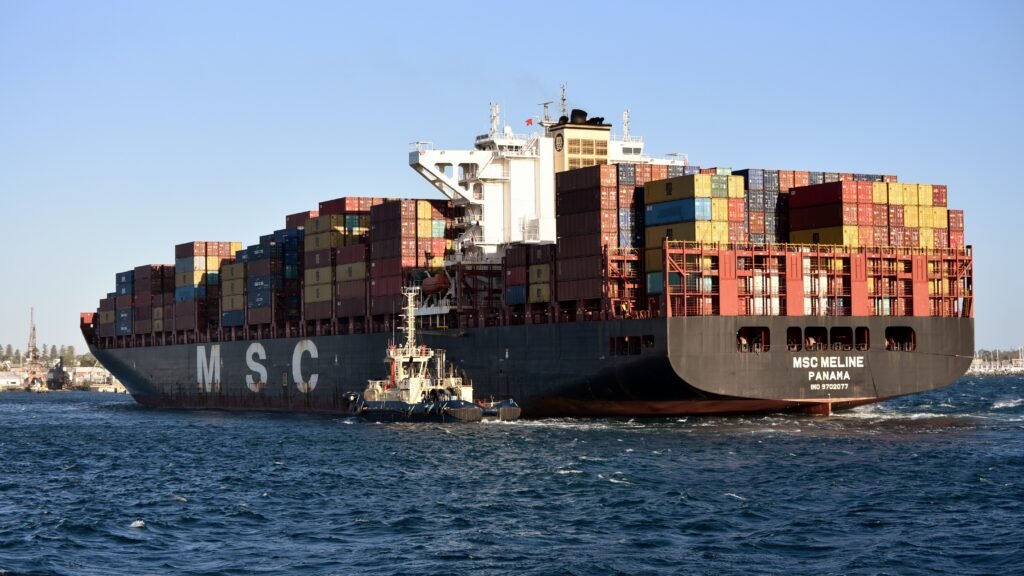
- Transport of materials
- Construction operations
- Logistics across long distances
Supply Chain Pressure
Higher energy costs flow through supply chains, making:
- Materials more expensive
- Delivery timelines less predictable
Economic Uncertainty
Zempilas described the current period as financially uncertain, with costs rising across multiple sectors.
Which Projects Could Be Impacted
Some major infrastructure projects have already been flagged as potentially at risk.
Examples mentioned include:
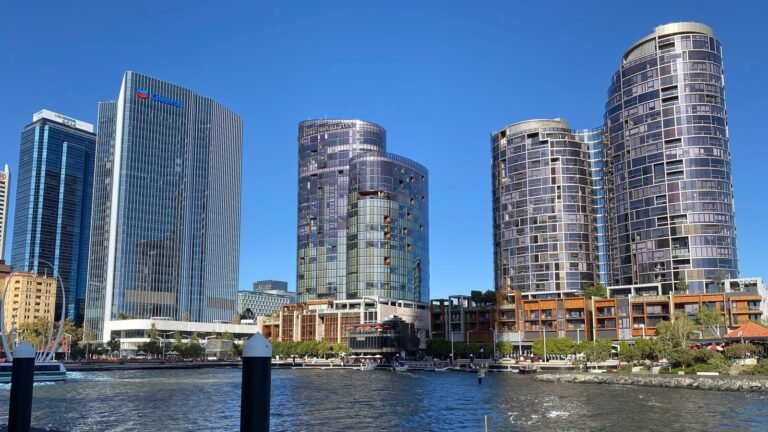
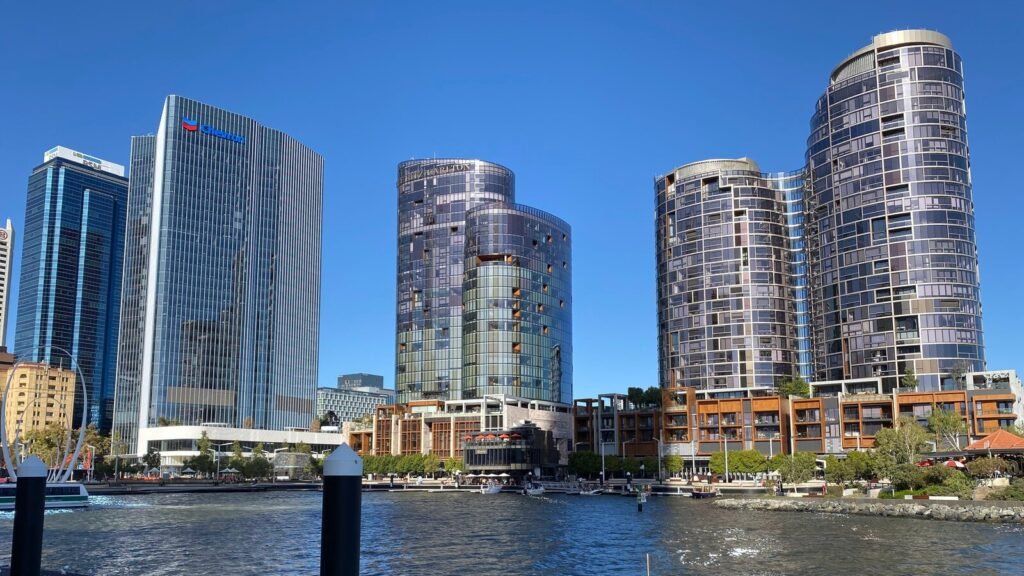
- Burswood racetrack redevelopment
- Tonkin Highway extensions
These projects could be:
- Delayed
- Scaled back
- Put on hold
Zempilas suggested it may be “common sense” to temporarily shift resources toward higher-priority needs during the crisis.
Government Response and Outlook
The WA Government has acknowledged the risk but is taking a cautious approach.
Treasurer Rita Saffioti has said:
- Rising oil prices will likely impact infrastructure costs
- It is too early to fully quantify the financial impact
- The situation is being closely monitored
At the same time, the government has emphasized the importance of continuing projects to:
- Support jobs
- Maintain economic growth
Broader Economic Implications
Construction Sector Pressure
Higher costs may:
- Reduce profitability
- Slow down project timelines
- Increase financial risk for contractors
Impact on Taxpayers
Cost blowouts could mean:
- Increased government spending
- Budget adjustments
- Potential delays in public services
Long-Term Planning Challenges
Governments may need to:
- Reprioritize infrastructure pipelines
- Delay non-essential projects
- Balance economic growth with financial stability
Conclusion
The warning from Basil Zempilas highlights how global events can quickly impact local economies. Rising fuel prices linked to the Iran conflict are already putting pressure on Western Australia’s infrastructure projects.
While the full impact is still unfolding, the situation raises important questions about project priorities, government spending, and economic resilience. As costs continue to rise, both policymakers and industry leaders will need to adapt to a more uncertain environment.
FAQ Section
Why are WA infrastructure projects at risk?
Due to rising fuel prices and supply chain pressures linked to global conflicts.
What did Basil Zempilas say?
He warned that projects could face cost blowouts, delays, or be paused.
Which projects might be affected?
Projects like the Burswood redevelopment and Tonkin Highway upgrades have been mentioned.
What is the government’s response?
The government acknowledges potential impacts but plans to continue key projects.
How does the Iran conflict affect Australia?
It impacts global energy prices, which increases costs for transport, materials, and construction.
All rights belong to their respective owners. This article contains references and insights based on publicly available information and sources. We do not claim ownership over any third party content mentioned.