In a landmark High Court climate ruling, Australia’s top court has found that planning authorities must consider the local effects of climate change when they approve fossil fuel projects. The decision, delivered on Wednesday 7 October 2026, dismissed an appeal by MACH Energy over its planned expansion of the Mount Pleasant coal mine near Muswellbrook in New South Wales. It is the first climate change case ever to reach the nation’s highest court.
By a majority of three to two, the judges upheld an earlier NSW Court of Appeal decision in favour of a Hunter Valley residents’ group. Lawyers and campaigners say the result will shape how coal and gas projects are assessed well beyond the Upper Hunter, while the company says it accepts the outcome and will study the judgment carefully.
What the High Court climate ruling decided
At the centre of the case was the treatment of so-called scope 3 emissions, the greenhouse gases released when coal is exported and burned overseas rather than at the mine itself. MACH Energy argued that those emissions should be considered at a global scale through Australia’s existing obligations under the Paris Agreement, and could not be tied to specific climate harm in the Hunter Valley.
The majority disagreed. According to ABC News, the court found that the planning approval for the project needed to take into account local effects of climate change caused by emissions from its coal exports. Reporting on the judgment says Justice Robert Beech-Jones stressed that authorities must consider whether all greenhouse gas emissions, scope 3 included, are kept as low as is practicable. The outcome confirms the earlier finding that planners had not adequately weighed those impacts when the expansion was approved.
Background: from the Hunter Valley to Canberra
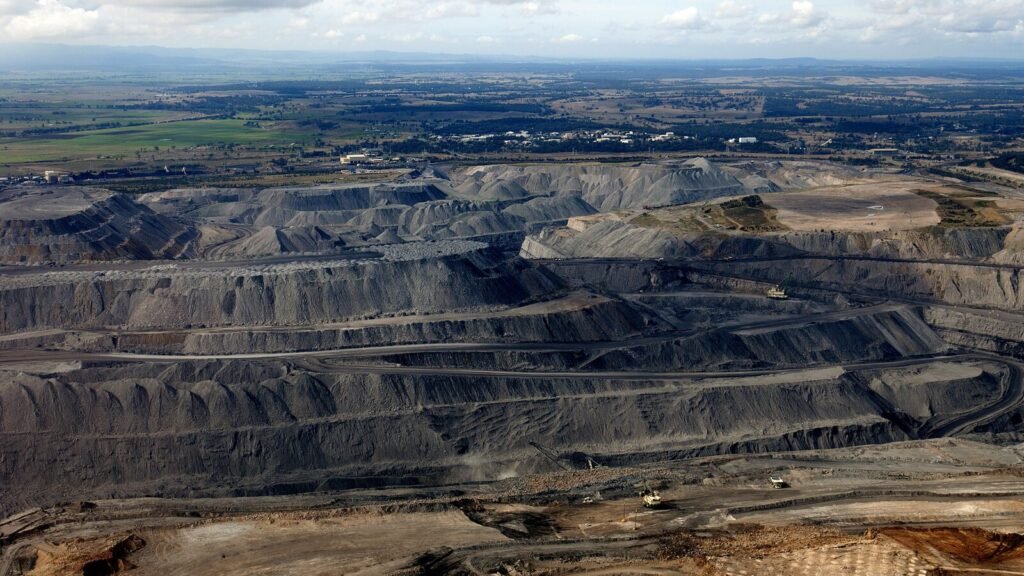
MACH Energy sought approval to extend the life of the open-cut Mount Pleasant mine until 2048. ABC News reports the company wants to extract a total of 444 million tonnes of coal from the site, almost doubling the amount currently produced each year. A local community group, the Denman Aberdeen Muswellbrook Scone Healthy Environment Group, challenged the approval and won in the NSW Court of Appeal in 2025. MACH then took the case to the High Court.
The group’s president, former science teacher Wendy Wales, said the decision means the full long-term costs of coal exports must now be counted, and urged lawmakers to give their full attention to addressing climate change. Principal lawyer Anita O’Hart called it a historic ruling for environmental law and said planning authorities cannot ignore the chain of causation between a project’s emissions and real, local climate harm.
The ruling does not close the mine. It concerns the 22-year expansion rather than existing operations, and MACH Energy has noted that Mount Pleasant received a separate six-year extension in August. The company said it was disappointed but accepts the court’s decision.
Why the ruling matters beyond one mine
Advocates describe the decision as a binding precedent across the NSW planning system and a template that is likely to be applied in other states and in future climate litigation. The practical effect is that decision-makers can no longer treat downstream emissions as someone else’s problem when assessing a coal project.
The number of projects in the firing line depends on who is counting. The Newcastle Herald reported that the ruling directly affects 17 coal proposals in the NSW planning pipeline, while another outlet put the figure at roughly 30 coal mine proposals awaiting approval. Either way, proponents will need to show how local climate effects and scope 3 emissions have been assessed and minimised.
That does not amount to a ban on coal. The ruling sets out what planners must consider before saying yes; it does not dictate the answer. Projects may still be approved if the assessment is done properly, though they are likely to face closer scrutiny and a higher risk of legal challenge.
What it could mean for Western Australia and the gas sector
The decision turns on NSW planning law, so how directly it applies in other jurisdictions will depend on their own legislation. Even so, ABC News has described the ruling as a significant shake-up for Australia’s oil and gas industry as well as coal. Western Australia is home to some of the country’s biggest LNG operations, and debate over how climate impacts are weighed in resource approvals has been running for years.
Regulators, proponents and community groups in the west will be watching to see whether decision-makers in WA draw on the same reasoning about scope 3 emissions. O’Hart predicted the ruling will be applied by courts and planning authorities across Australia and studied internationally, but any WA-specific effect will need to be tested under state and Commonwealth law.
Key takeaways
- The High Court dismissed MACH Energy’s appeal by a three-to-two majority in the first climate case to reach the court.
- Planning authorities must weigh local climate effects, including scope 3 emissions from exported coal, when approving projects.
- The ruling concerns the Mount Pleasant expansion, and MACH Energy says the mine also received a separate six-year extension in August.
- Reports put the number of NSW coal proposals affected at between about 17 and 30.
- Effects on gas projects and other states will depend on how the reasoning is applied under each jurisdiction’s laws.
Frequently asked questions
Does the High Court decision ban new coal mines?
No. It requires planning authorities to consider local climate effects and scope 3 emissions properly before they decide. Approvals remain possible, but the assessment process is now harder to defend in court if those impacts are ignored.
What are scope 3 emissions?
Scope 3 emissions are indirect emissions that occur outside a company’s own operations. For a coal mine that exports its product, they mainly include the emissions released when the coal is burned overseas.
Where can I read the judgment?
The full reasons are published on the High Court of Australia website. For news coverage, see the reports from ABC News and the Newcastle Herald.
What happens next
MACH Energy says it will review the judgment to understand the implications for future project assessments and environmental approvals. Planning departments are likely to revisit their assessment guidelines, and proponents of pending coal proposals will need to address local climate effects in their applications. Expect further reaction from governments and industry in the coming days.
Image: Max Phillips / Wikimedia Commons / CC BY 2.0 (cropped and resized)