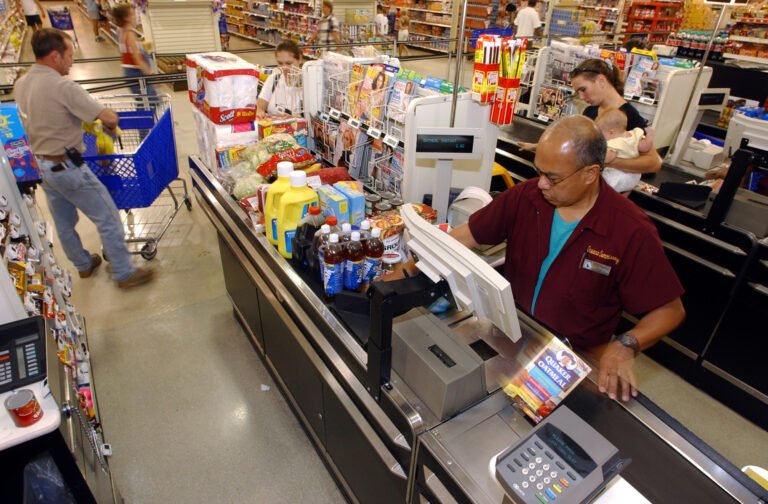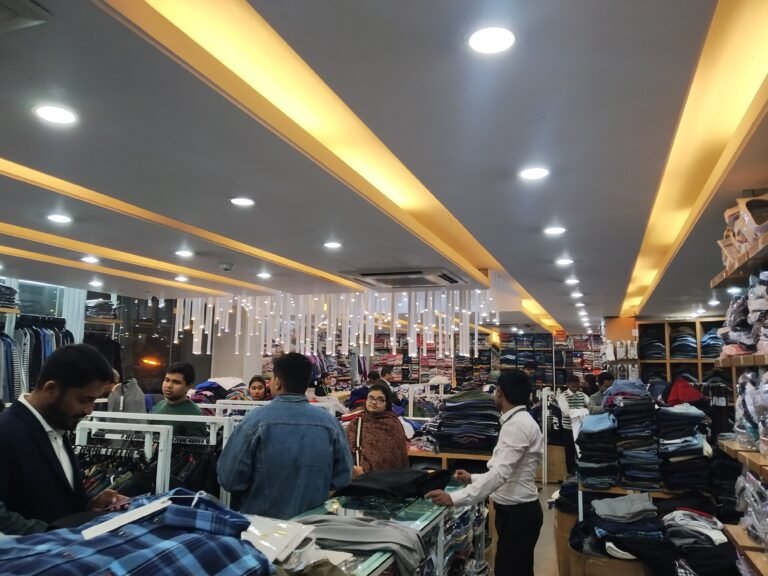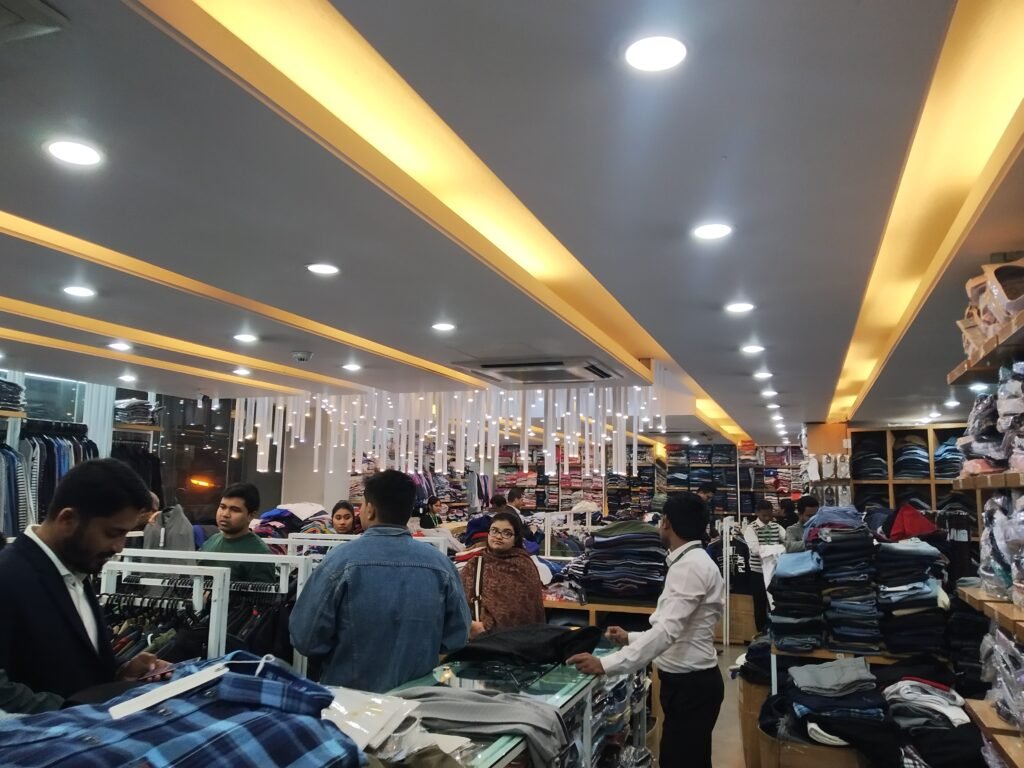
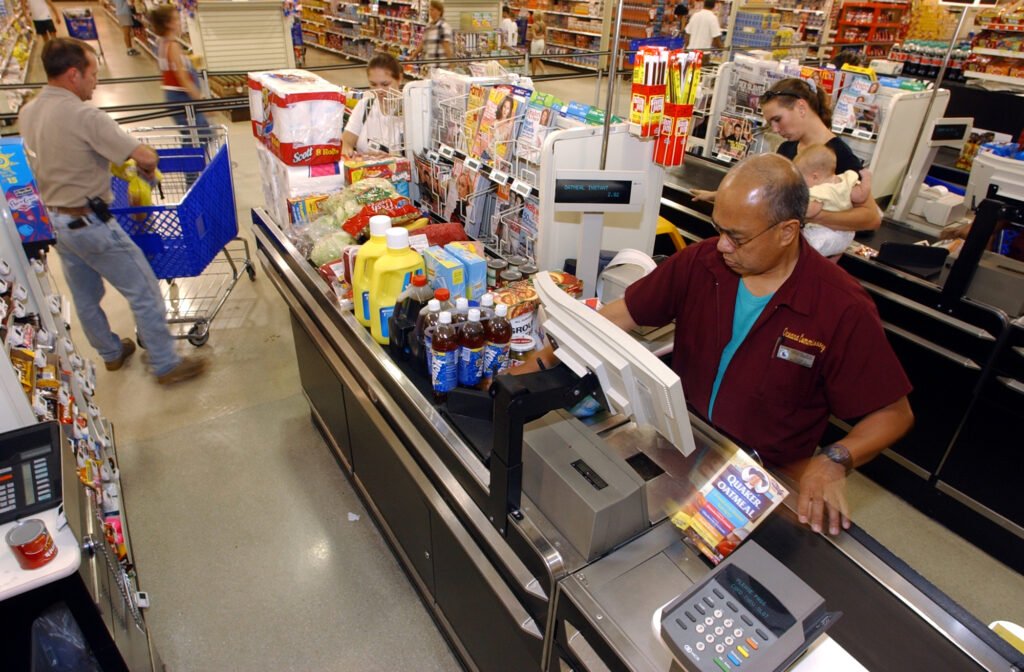
Cost-of-living pressures are visibly reshaping everyday spending habits across Australian households, including in Western Australia, with consumer behaviour data showing shoppers increasingly turning to digital tools and payment options as they navigate tighter household budgets. The trend reflects a broader adaptation occurring across the economy as households balance rising costs across housing, groceries and utilities against relatively more modest wage growth.
For WA households, cost-of-living pressure intersects with the state’s own particular dynamics, including a rapidly rising median house price and the fuel price volatility experienced earlier in the year, compounding the squeeze many families report feeling on their weekly budgets.
How Spending Behaviour Is Shifting
Consumer researchers have observed growing use of digital ordering and payment options, including QR code-based payment systems, as shoppers look for ways to manage spending more precisely and, in some cases, avoid the social awkwardness of splitting bills or navigating money conversations with friends and family during a period of heightened financial sensitivity. This shift toward more deliberate, technology-assisted spending management reflects a broader pattern of households becoming more actively engaged in tracking and controlling their day-to-day expenses.
Despite general caution around discretionary spending, data has shown surprising resilience in certain categories, with festive and celebratory spending, including dining out and food purchases around occasions like Christmas, delivering unexpected upticks even as households report broader financial strain, suggesting Australians continue prioritising key social and family occasions even while cutting back elsewhere.
Small Business Feeling the Shift
For small and medium businesses, including many across WA’s retail and hospitality sectors, changing consumer spending patterns require ongoing adaptation, from offering more flexible payment options to adjusting pricing and promotional strategies in response to more cautious, value-conscious shoppers. Businesses that have invested in better understanding these shifting spending patterns through data and technology have generally reported being better positioned to respond effectively than those relying on more traditional, less data-driven approaches to customer engagement.
The Broader Economic Picture
Economists tracking household spending patterns note that the current cautious consumer environment reflects the cumulative effect of several years of elevated inflation and interest rate rises, even as headline inflation figures have moderated somewhat from their earlier peaks. The gap between how households feel about their financial position and what aggregate economic data shows has become a recurring theme in economic commentary, with many households reporting genuine day-to-day budget strain even as broader indicators like unemployment remain relatively favourable.
What It Means for WA Specifically
Western Australian households navigate this national cost-of-living environment alongside state-specific pressures, including the sharp rise in Perth’s median house price and the fuel price volatility linked to Middle East conflict experienced earlier in the year, both of which have added distinctly local dimensions to the broader national cost-of-living conversation. State government cost-of-living relief measures, including those built into the recent state budget, aim to partially offset these pressures, though many households continue to report that day-to-day budgeting remains genuinely challenging despite this support.
Looking Ahead
With cost-of-living pressure likely to remain a dominant theme in household decision-making through the remainder of 2026, businesses and policymakers alike will continue watching consumer spending data closely for signs of either further caution or genuine relief as inflation and interest rate settings evolve. For now, the combination of more deliberate spending behaviour and continued resilience in key social spending categories paints a picture of Australian households adapting pragmatically to a genuinely tighter financial environment, rather than retreating from spending altogether.
Generational Differences in Spending Adaptation
Consumer researchers have noted generational differences in how households are adapting to cost-of-living pressure, with younger shoppers generally more likely to embrace digital budgeting tools and payment technologies, while older households sometimes report feeling left behind by the pace of change in how everyday transactions are conducted. Financial counsellors say this gap can occasionally compound financial stress for older Western Australians already navigating tighter budgets, adding a layer of technology adjustment on top of the underlying cost pressure itself.
Community organisations offering financial literacy and budgeting support have reported increased demand for their services across WA in recent months, a pattern consistent with the broader national trend of households seeking additional support and tools to manage day-to-day finances during a sustained period of cost pressure.
Retailers have responded with a mix of loyalty programs, flexible payment plans and targeted discounting aimed at retaining cost-conscious customers, an approach that reflects growing recognition within the retail sector that value-focused shopping behaviour is likely to persist for some time rather than reverse quickly once inflation figures fully normalise.
For WA families, small practical adjustments, from more deliberate meal planning to comparing prices across supermarkets more actively, appear to be complementing rather than replacing the state and federal cost-of-living relief measures already in place, together forming the mix of strategies households are relying on to navigate the current financial environment.