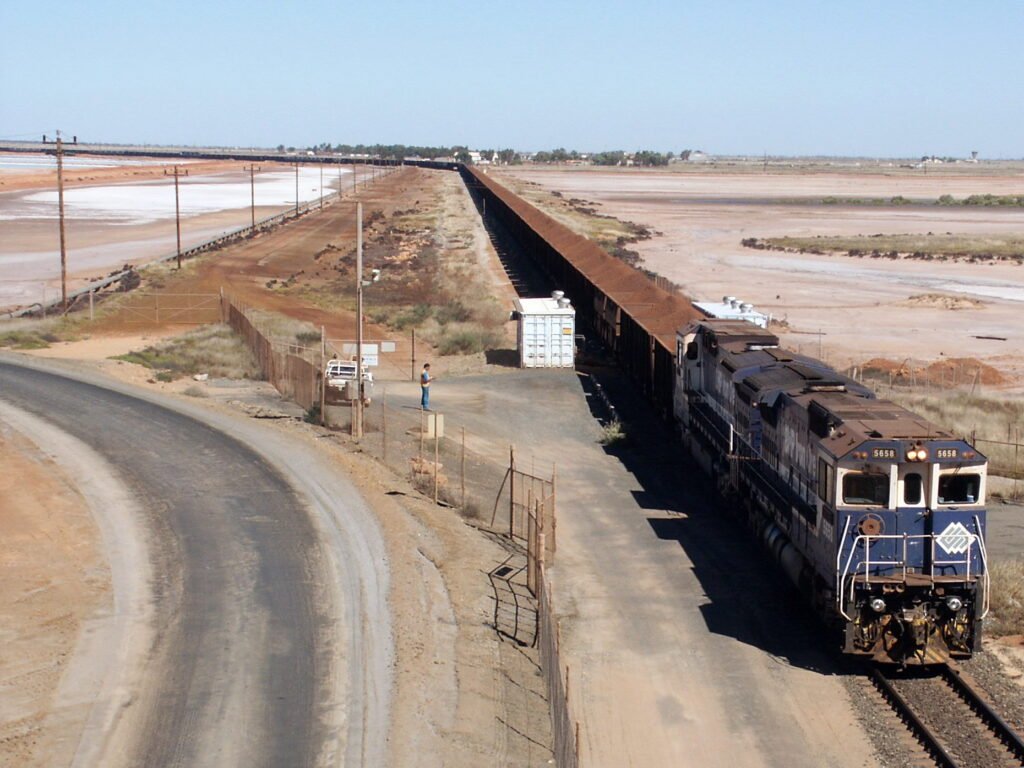
Workers at BHP’s Port Hedland iron ore operations staged an eight-hour strike in a move described as the first industrial action of its kind in the Pilbara region in more than 25 years. The stoppage, involving up to 200 workers, was driven by demands for pay parity and improved working conditions, and market analysts estimated it had the potential to affect iron ore shipments by as much as two million tonnes had it continued for longer.
The action represents a notable break from the Pilbara’s long-standing reputation as a region largely free of major industrial disputes, particularly at the scale and profile of BHP’s port operations, which form a critical link in the supply chain connecting the company’s mines to export markets across Asia.
What the Dispute Was About
At the heart of the dispute were demands for pay parity, with workers and their union representatives arguing that certain roles or worksites were being compensated at rates below comparable positions elsewhere within BHP’s operations or across the broader Pilbara resources sector. Pay parity disputes of this kind often centre on discrepancies that emerge over time as enterprise agreements are negotiated separately across different sites or contractor arrangements, creating pay gaps between workers doing broadly similar jobs.
Improved working conditions, a broad category that can encompass everything from rostering arrangements and fatigue management to on-site facilities and safety protocols, were also cited as part of the workforce’s grievances, reflecting the physically demanding nature of port and haulage operations in the Pilbara’s remote, high-temperature environment.
Why This Strike Stands Out
The Pilbara’s relative industrial peace over the past quarter-century has often been attributed to a combination of factors, including historically strong wages relative to the rest of the Australian labour market, enterprise agreements that have generally kept pace with cost-of-living pressures, and a workforce composition that has included a significant proportion of fly-in fly-out workers less embedded in traditional union structures than workers in some other Australian industries.
Against that backdrop, a coordinated eight-hour stoppage represents a meaningful shift, suggesting workforce grievances had reached a point where workers were prepared to take direct action rather than rely solely on standard enterprise bargaining processes. Industry observers have noted the strike may reflect broader cost-of-living pressures affecting even relatively well-paid resources sector workers, alongside specific workplace grievances at the Port Hedland site.
How the Dispute Was Resolved
Within days of the strike, BHP and the union representing the affected workers reported they were close to reaching a formal agreement to resolve the dispute, a relatively swift resolution that limited the disruption to iron ore shipments compared to the two million tonne worst-case estimate initially floated by market analysts. The company’s apparent willingness to move quickly toward resolution reflects the significant commercial stakes involved in any prolonged disruption to Pilbara export operations, which underpin a substantial share of BHP’s global iron ore revenue.
What It Means for the Pilbara Workforce
For workers across the Pilbara resources sector, the strike and its relatively swift resolution may set a precedent for how similar pay parity and conditions disputes are handled at other sites and companies operating in the region. Union organisers are likely to point to the outcome as evidence that coordinated industrial action can produce results, while employers may look to accelerate internal pay parity reviews to avoid similar disruptions at their own operations.
For a region that has built much of its reputation on industrial stability underpinning some of the world’s largest iron ore export operations, the Port Hedland strike serves as a reminder that even historically quiet labour relations can shift when workforce grievances around pay and conditions are left unresolved for long enough.
A Wake-Up Call for the Wider Sector
Industrial relations specialists say the Port Hedland strike is likely to prompt other Pilbara employers to review their own pay structures proactively, rather than risk similar disruption at their own sites. With iron ore export operations representing such a significant share of both company revenue and national trade figures, even a brief stoppage carries outsized financial stakes, giving workers a level of leverage in pay disputes that employees in less critical supply chain positions typically do not enjoy.
Whether the strike proves to be an isolated incident or the beginning of a broader shift in Pilbara industrial relations will likely become clearer over the coming enterprise bargaining cycle, as other resources companies operating in the region negotiate new agreements against the backdrop of this heightened workforce assertiveness.
Contractors and smaller service providers who support BHP’s Port Hedland operations will also be watching the outcome closely, given that any changes to pay structures for directly employed staff can create flow-on pressure for contracted workforces to seek comparable adjustments, a dynamic that has played out in previous Pilbara wage cycles over the past two decades.
Beyond the headline figure, workers directly involved in the dispute say the strike also carried symbolic significance, demonstrating that the Pilbara’s reputation for industrial calm does not mean grievances go unheard indefinitely, even in a workforce not traditionally associated with frequent industrial action.