A suburban data centre ban is reportedly at the centre of the Albanese government’s plans for sweeping new AI laws, the Australian Financial Review reported on 29 October. The reforms would also overhaul how AI companies use copyrighted material and require data centres to use renewable energy. The report relies on unnamed sources and draft legislation has not yet been released, but the plans land after a string of community fights over facilities near homes and schools.
Here is what is reportedly proposed, why suburban data centres have become so contentious, what is still unknown and what it could mean for Western Australia.
What the suburban data centre ban would reportedly do
According to Capital Brief, which summarised the AFR report, the package could include:
- A suburban ban: New data centres would be banned from suburban Australia as part of the AI reforms.
- A copyright model: Rights holders could negotiate directly with AI companies, with smaller creators able to benefit when their work is used to train AI models.
- Training transparency: AI companies could be required to disclose the content used to train their models.
- Renewable energy rules: Data centres could be required to use renewable energy, with non-compliant facilities potentially facing power cuts.
- Timing: Draft laws are expected to be released for public consultation this year.
These are unconfirmed plans reported from unnamed sources, and the details may change before anything is put to Parliament.
Why suburban data centres are so contentious
The push follows fierce local opposition. Goodman Group withdrew plans for Project Mars, a 24-hour facility in Lane Cove West in Sydney’s north, after residents and the council raised concerns. According to Bloomberg reporting, the development application put the cost at A$443.8 million, and the site was within walking distance of homes and a public school. Goodman said regulation of large AI data centres had evolved significantly since planning began in March 2025.
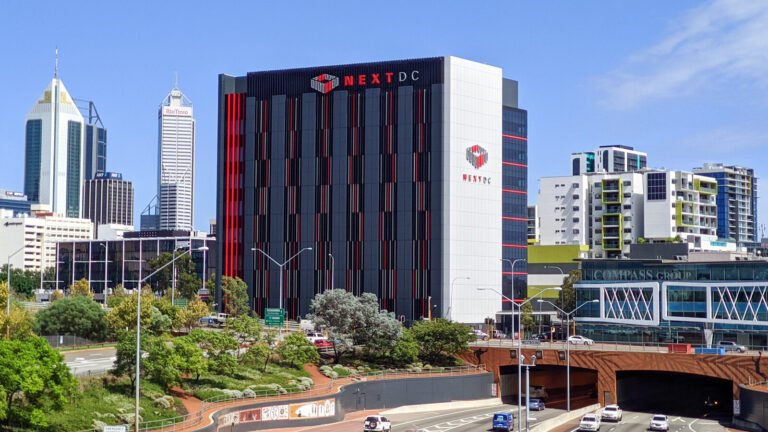
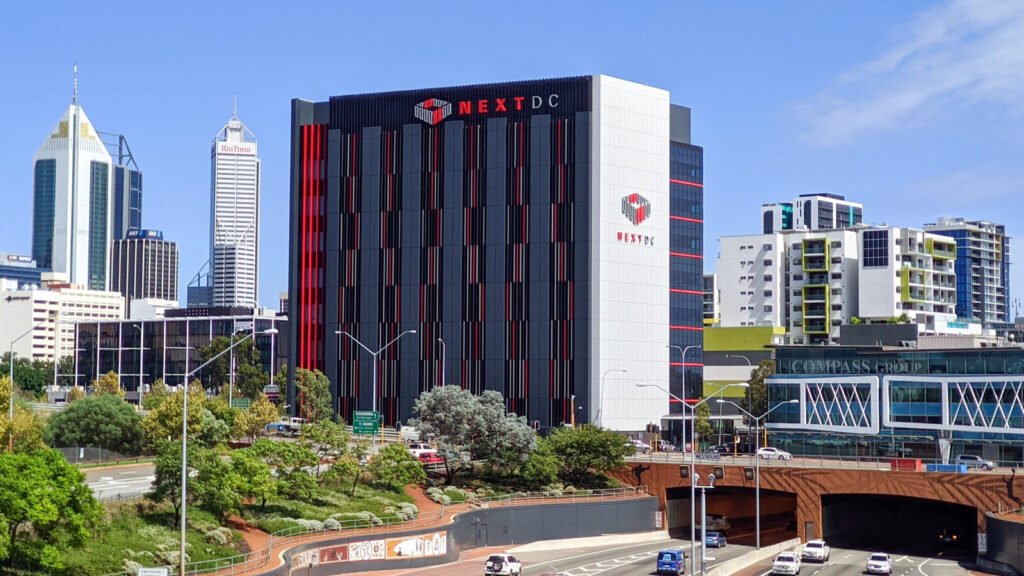
In Melbourne, community concerns over power lines have delayed NextDC’s M3 project in West Footscray, and Market Index reported that NextDC postponed an expansion there last week.
A New South Wales parliamentary committee has also weighed in. According to an analysis published by Yahoo, committee chair Abigail Boyd, from the Greens, cited a frenzy of development and urged a moratorium on new AI data centre approvals. The report found that data centres are often clustered and that their rapid growth affects other industries, for example by diverting labour from housing and infrastructure. Liberal committee members Jacqui Munro and Scott Farlow dissented, warning of social fracturing and inadequate public communication about the benefits and physical constraints of data centres.
What the industry stands to lose or gain
Operators such as Goodman Group and NextDC are among those expected to be affected, according to Grafa. Analysts at Certified Strategic suggest the first tests would be proposals in inner-suburban business parks, such as Lane Cove West, Artarmon and Mascot in Sydney and West Footscray, Spotswood and Clayton in Melbourne.
The industry argues it serves a critical purpose. When it welcomed a $7 billion OpenAI and NextDC proposal for Eastern Creek, the NSW Government said the state already had more than 90 data centres in operation and another 20 under assessment, and called them critical infrastructure for the digital economy. The demand comes from ever larger AI models, as we explored in our report on the Mistral Large 4 open weights, which need serious computing power to run.
The AI copyright and transparency changes
The copyright proposals are separate from the data centre rules but part of the same reform package. Under the reported model, rights holders would negotiate directly with AI companies, and the government wants smaller creators to share in the benefits. A requirement to disclose training content would give creators more visibility into whether their work has been used. How the model would work in practice, including how smaller creators would be paid, is not yet clear.
Is Australia following the United States?
The Yahoo analysis argues that American campaigns against data centres offer a template for Australia, noting votes running roughly three to one against projects in some places. Separately, US lawmakers Bernie Sanders and Alexandria Ocasio-Cortez have introduced an AI Data Center Moratorium Act. Australia’s reported approach is narrower, targeting location and energy use rather than a moratorium.
What it could mean for Western Australia
Perth’s data centres are mostly in industrial and central locations. According to NextDC, its P1 facility is at Malaga and its P2 facility is in the Perth CBD. CDC Data Centres has also been developing a campus at Maddington, about 20 kilometres south-east of the CBD, which it said would deliver up to 200 megawatts at full build, with $415 million allocated to the first stage, according to W.Media. It is not yet known how the draft laws would define suburban, or whether industrial areas such as Malaga and Maddington would be caught, so it is too early to say how any WA projects would be affected.
What is still unknown
- The definition of suburban: Whether business parks and industrial zones count.
- Existing projects: Whether approved or under-construction facilities would be exempt.
- Renewable energy rules: How requirements would be measured and enforced.
- State and federal roles: Planning approvals are generally made by state governments, so how a federal law would interact with them is a key question.
- Timing: When draft laws will appear and how long consultation will run.
What to watch next
- The release of draft laws for public consultation.
- Responses from NextDC, Goodman, AirTrunk and CDC.
- Further project delays or withdrawals.
- State government positions, including in Western Australia.
- Reaction from creators and the tech sector to the copyright model.
For more tech coverage, see our technology news.
Frequently asked questions
Has the government confirmed a suburban data centre ban?
In the reports reviewed for this article, the details came from unnamed sources and no draft legislation had been published. Check for official announcements.
What is a data centre?
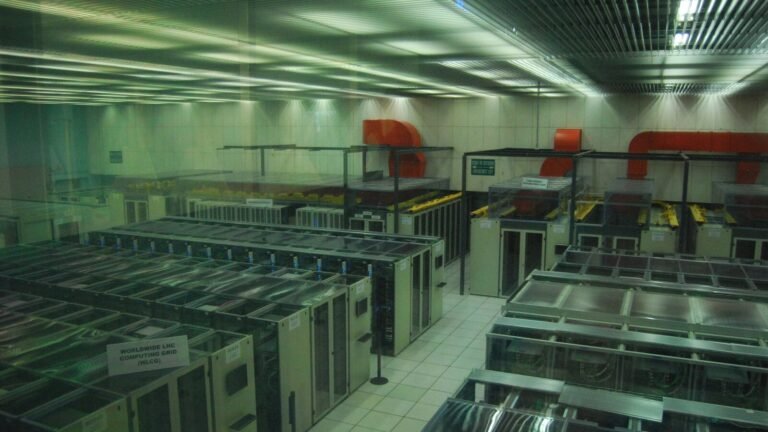
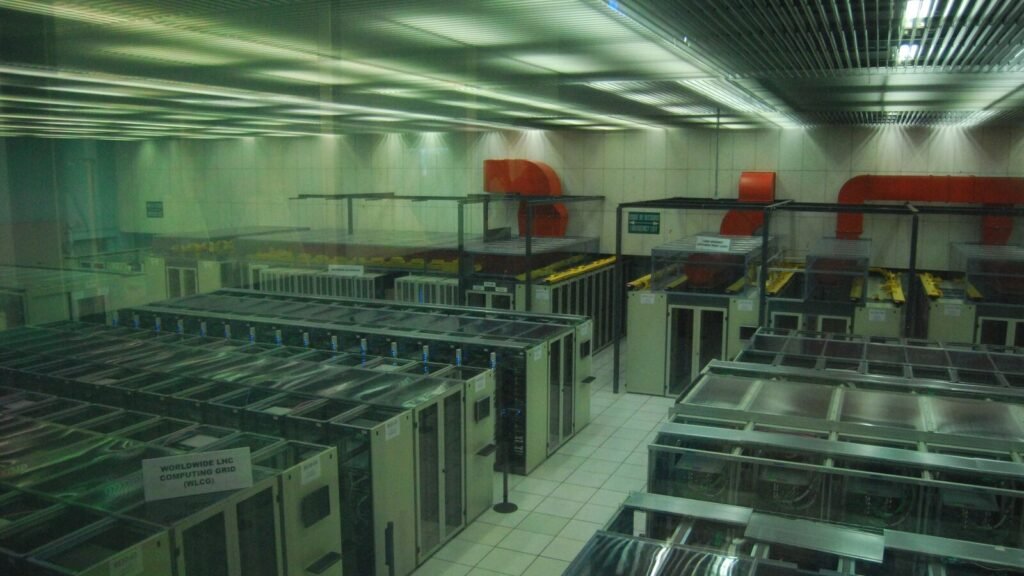
A data centre is a facility that houses the computer servers and networking equipment used to run websites, cloud services and AI systems.
Would existing data centres be affected?
That is not yet known. The reported ban is aimed at new facilities, but the draft laws will determine how existing and approved projects are treated.
When will we know more?
Draft laws are expected to be released for public consultation before the end of the year.
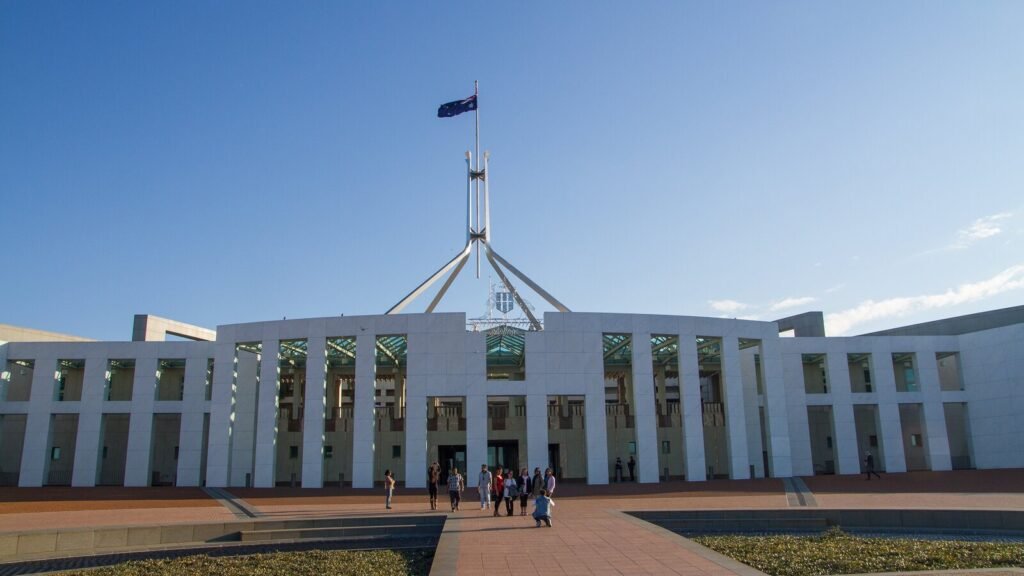
Image: Samuel Wiki / Wikimedia Commons / CC0 (cropped and resized)