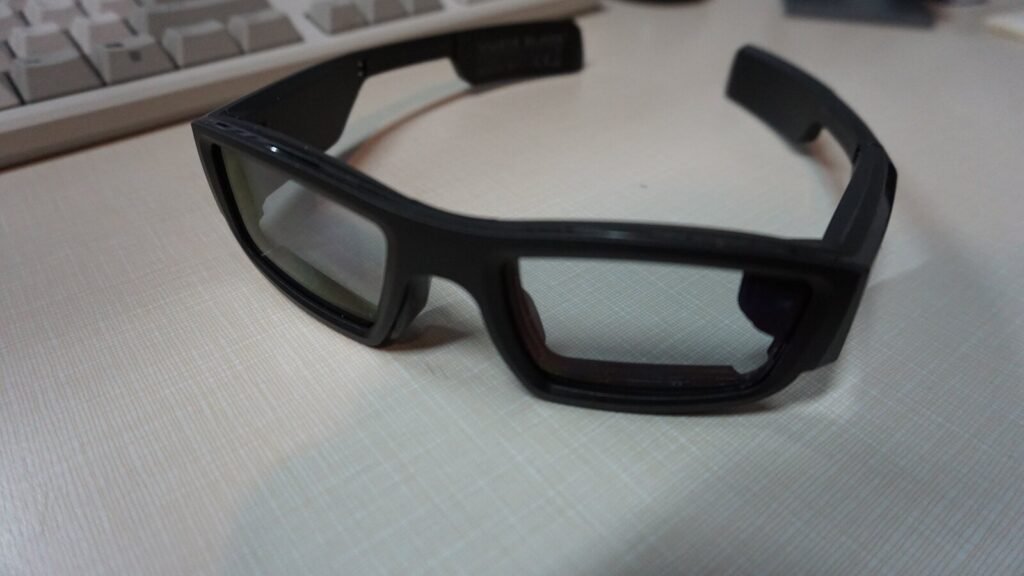
The WA smart glasses ban is now in force across the state’s public schools, after Education Minister Sabine Winton announced what she called the nation’s most comprehensive restrictions on the camera-equipped wearables. The ban took effect on the first day of Term 4, Monday 12 October 2026, and applies to students, staff, parents, carers, visitors and contractors on school grounds.
Councils and universities are now moving in a similar direction. Here is what the ban covers, why it was introduced, who can get an exemption and what families need to know.
What the WA smart glasses ban covers
The Director General of the Department of Education, Jay Peckitt, issued a CEO Instruction to all public school principals banning anyone from wearing, using or storing smart glasses on school sites, according to the WA Government announcement. The ban applies during all school activities on school grounds, and when students and staff are representing their school offsite, such as at sports events and excursions.
ABC News reported that Winton said WA goes further than other states by banning possession by anyone entering school grounds. She said principals can grant exemptions for students with special needs or medical conditions. The ban applies to public schools only, although Winton has urged private and independent schools to adopt similar rules.
Why WA introduced the ban
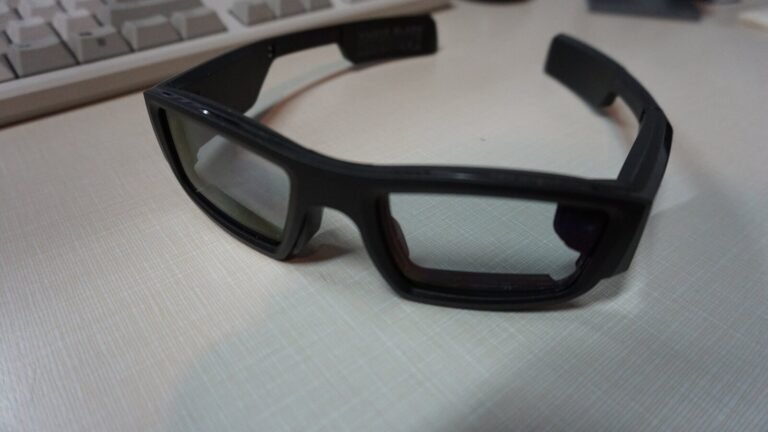
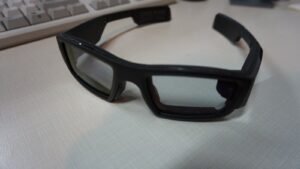
Smart glasses are a concern in schools mainly because they look identical to ordinary prescription eyewear but can covertly record images and audio, and can also be used for cheating, according to EducationHQ. The government said growing community concern about careless, criminal or malicious use against students and school staff prompted the move.
Winton said the Department of Education has not recorded instances of smart glasses being used irresponsibly in schools, and described the ban as a preventative step that lets principals lead and teachers teach. It builds on the ‘off and away all day’ policy, which has banned student mobile phone use during the school day since 2020 and requires smart watches to be set to airplane mode.
Councils and other governments follow
The school ban has prompted action elsewhere. According to an ABC report published this week, local governments across Western Australia are banning smart glasses from public facilities such as swimming pools and libraries. Councils say they cannot restrict their use in public parks or streets, but can set rules for their own sites and events. The Shire of Augusta-Margaret River has banned them at its recreation centres, including the pool, and the City of Perth is investigating their use at its premises.
There is movement nationally too. Victoria has said smart glasses and other wearable devices will be banned in its public schools from January 2027, and the federal government has said the devices will be prohibited in government-run workplaces and service centres, according to Yahoo News. City of Sydney and other councils have restricted them at pools, gyms, childcare centres and libraries.
Are universities next?
A new opinion piece on the EduResearch Matters blog argues that universities should act now. It says university policies often fall back on broad terms such as technology-facilitated abuse or reasonable adjustments, which do not tell students or staff clearly whether camera-enabled glasses are allowed in a classroom. The author says rules should be easy to find and explicit. It is one writer’s view, but it shows the debate is moving beyond schools. For related coverage, see our report on the proposed WA university merger.
What parents and students should know
- Leave smart glasses at home: Any glasses with a camera or recording function are covered, even if they look like ordinary eyewear.
- Ordinary glasses are fine: Standard prescription glasses and sunglasses without recording features are not affected.
- Offsite events count: The ban applies on excursions, sports carnivals and other school activities away from campus.
- Ask about exemptions early: If a student needs a device for medical, accessibility or assistive-technology reasons, talk to the principal.
- Check private school rules: The government ban covers public schools, so independent and Catholic schools set their own policies.
- Talk about privacy: Explain to children why recording others without consent can cause harm.
What happens next
Schools will apply the instruction through Term 4, and more local governments are expected to consider similar rules. Watch for Victoria’s ban from January 2027, further council decisions and any action from universities and private school systems. We will update this story as new developments emerge.
Frequently asked questions
When did the WA smart glasses ban start?
It started on the first day of Term 4, Monday 12 October 2026.
Does the ban apply to private schools?
No. It applies to WA public schools, though the Education Minister has urged private and independent schools to adopt similar rules.
Are normal glasses affected?
No. The ban targets smart glasses that can record images, video or audio. Standard prescription glasses are not covered.
Can students get an exemption?
Yes. Principals can grant exemptions for students with special needs or medical conditions.
For more local stories, see our education news.
Image: Axrxax / Wikimedia Commons / CC BY-SA 4.0 (cropped and resized)