Perth-based Fortescue has warned that its pricing dispute with China’s state-backed iron ore buyer could hit profits and force production cuts, turning the Fortescue China iron ore standoff into a major risk for the Western Australian economy. The miner told investors on Thursday 22 October that its operations could be affected if talks with China Mineral Resources Group (CMRG) are not concluded by the end of the calendar year.
The warning pushed Fortescue shares to their lowest level since June 2025 and added to a rough week for Australian miners. Here is what the company said, why CMRG matters, what it means for WA and what investors and workers should watch.
The Fortescue China iron ore dispute: what the company said
In its September quarter update, Fortescue said that if negotiations with CMRG are not concluded by year-end, operations may be affected, potentially including adjustments to production. According to Reuters, the company left its full-year iron ore shipment, cost and capital expenditure guidance unchanged but said the numbers are subject to the outcome of the talks.
The operating numbers show the strain. Reuters reported that sales lagged shipments as the company stockpiled ore at ports while it negotiates, and that Fortescue’s cash balance fell 37% earlier this month. Bloomberg reported that shipments dropped 6% from a year earlier and that realised prices were 10% lower, and that Fortescue sold none of its West Pilbara Fines product during the quarter.
Chief executive Dino Otranto told analysts the company could build up another 5 million tonnes of unsold ore in coming months. He said management is focused on preserving cash and does not want to accept a price cut that could set a precedent for the wider industry, according to reports.
Who is CMRG and why does it matter?
CMRG is a state-backed buyer that coordinates iron ore purchases for Chinese steelmakers. China buys the majority of Australia’s iron ore exports, so a more centralised buyer gives Beijing greater bargaining power. Reuters said China is seeking better terms for steelmakers that have faced thin margins and weak domestic demand.
The tactics have been aggressive. The Nightly reported that CMRG has reportedly ordered Chinese steel mills to stop buying a lower-grade Fortescue product while talks continue, and Bloomberg reported that the buyer has reportedly coordinated with mills to delay cargoes and limit purchases. Fortescue is selling under short-term agreements in the meantime. BHP and Rio Tinto have also been drawn into negotiations with the group.
How markets reacted
Fortescue shares fell by as much as 4.6% during the session, according to Bloomberg, and have dropped around 36% from their May peak, according to Miningmx. Proactive Investors reported that the S&P/ASX 200 closed 0.4% lower at 8,793.20 on Thursday, with Fortescue down 4.5%, BHP down 2.4% and Rio Tinto down 1.5%.
Broker views are mixed on how long the standoff lasts. Ord Minnett has assumed the talks conclude by calendar year-end, but warned that a prolonged impasse could force changes to mine plans, stockpiling and parts of the supply chain.
A tough week for the wider market
Fortescue was not alone. BHP slid towards a seven-month low as the AI-linked copper trade cooled, and Market Index reported that Australia’s flash composite PMI fell to 47.7 in October from 51.3, the first contraction in private sector output in five months, with input cost inflation at its fastest since May. The same report noted a rotation out of miners and into the big banks, which rallied more than 2%.
Why it matters for Western Australia
Iron ore from the Pilbara is the state’s largest export, so a prolonged standoff can flow through to contractors, port operations and jobs, as well as to company and government revenue. The impact depends on how long the dispute lasts and whether production is actually cut. WA’s labour market has held up better than most states, as we reported in our analysis of the latest unemployment data, but it is heavily tied to resources activity.
What to watch next
- A deal by 31 December: Fortescue has said that is the key deadline for avoiding operational impacts.
- Guidance changes: Any move to cut shipment guidance or adjust production would signal the talks are dragging on.
- Cash and dividends: Analysts will watch Fortescue’s cash balance, costs and dividend signals while ore sits in stockpiles.
- BHP and Rio Tinto talks: Any settlement terms agreed by other miners could set a precedent.
- China’s steel demand: Weak property activity and steel output reduce Beijing’s need to pay up.
This article is general information only and is not financial advice. For more local coverage, see our business news.
Frequently asked questions
What is China Mineral Resources Group?
CMRG is a state-backed company that coordinates iron ore purchasing for Chinese steelmakers, increasing China’s leverage in price talks with miners such as Fortescue, BHP and Rio Tinto.
Has Fortescue cut production?
Not yet. Fortescue kept its guidance unchanged but warned that operations, potentially including production, could be affected if the talks are not concluded by the end of the year.
Why did Fortescue shares fall?
Investors are worried that a prolonged dispute could reduce sales, build up unsold stockpiles and hurt profit. Shares hit their lowest level since June 2025 after the update.
Does the dispute affect BHP and Rio Tinto?
Both companies have been drawn into negotiations with CMRG, so the outcome of the Fortescue talks could influence the terms they receive.
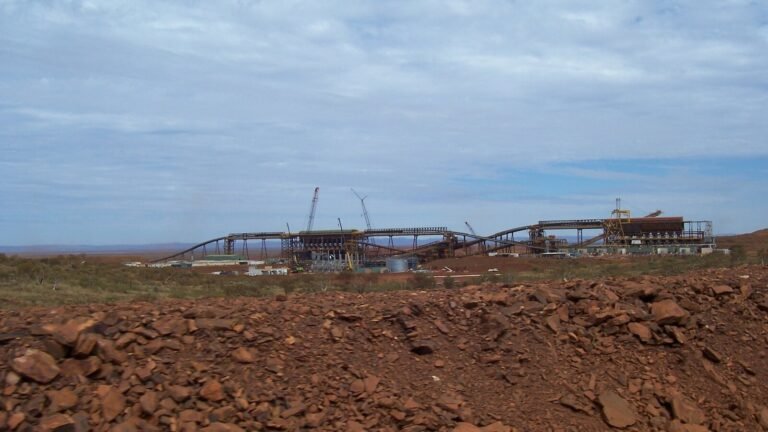
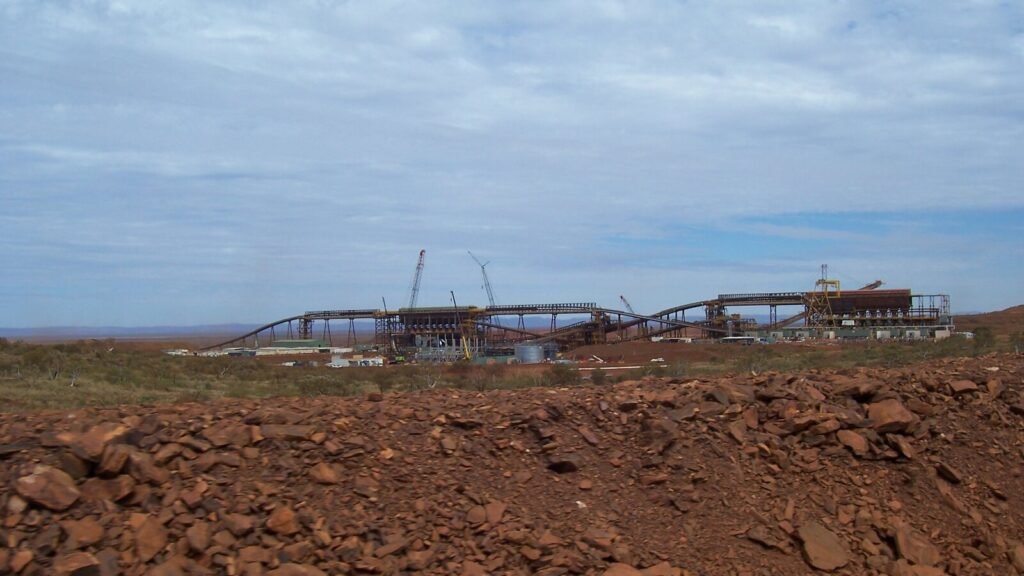
Image: Geez-oz / Wikimedia Commons / CC BY-SA 3.0 (cropped and resized)