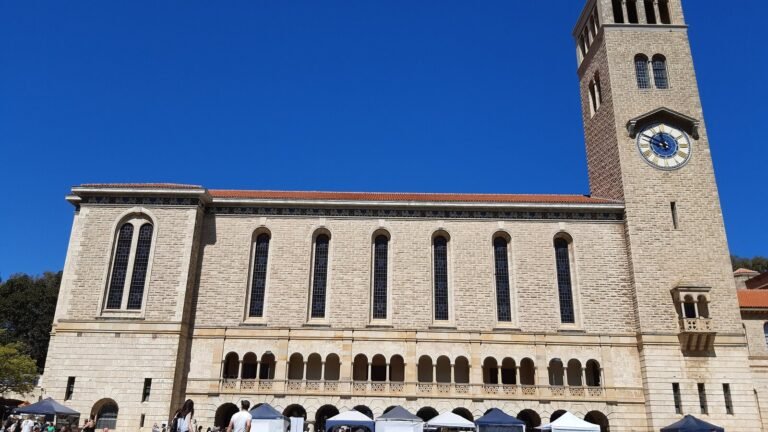
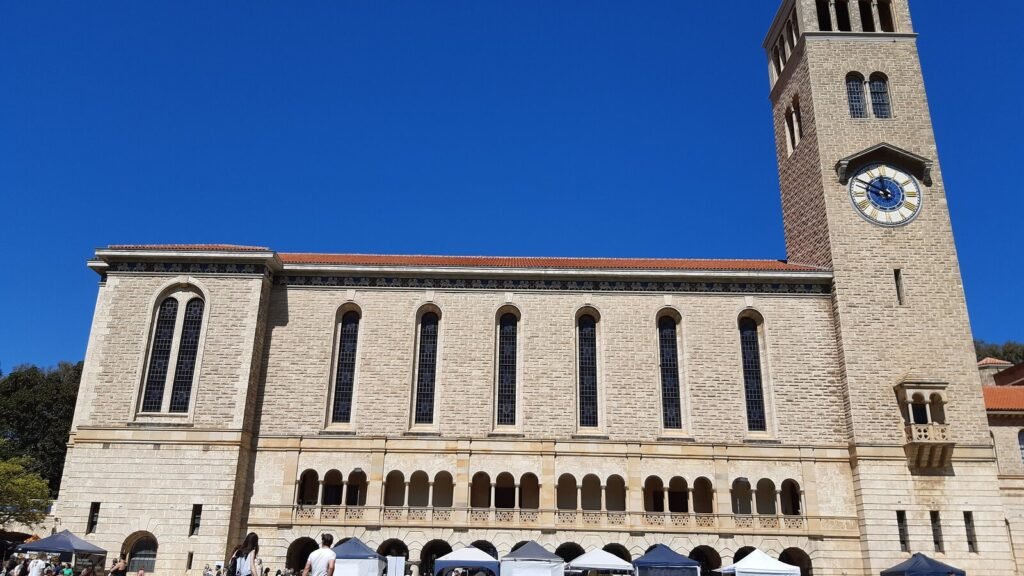
The proposed WA university merger has ignited one of the biggest higher education fights in the state’s history. The Cook government wants to examine combining the University of Western Australia (UWA), Curtin University and Murdoch University into a single institution of almost 120,000 students, but two of the three universities say they will oppose it.
The government announced on 11 October that it will develop a business case, with findings due by the middle of 2027. No final decision has been made. Here is what is being proposed, who supports and opposes it, what happened in Adelaide and what it could mean for students.
What is the proposed WA university merger?
Under the plan, UWA, Curtin and Murdoch would be merged into one “mega-university”. The universities themselves describe that scale as unmatched in Australia and rare internationally. According to the ABC, details such as a name, campus arrangements and costs are not yet known.
Edith Cowan University, which last year moved into a new $853 million Perth CBD campus, and the University of Notre Dame in Fremantle are not part of the proposal.
A steering committee chaired by businessman Mark Barnaba, with industry, university and student representatives, will weigh the costs and benefits, including whether the universities could fund a merger themselves. Barnaba has said the merger would be good for the state and has dismissed suggestions it would lead to job cuts.
Why the government wants a merger
Premier Roger Cook has called the plan a once-in-a-generation opportunity. The government argues consolidation would help WA universities compete for domestic and international students and for research funding, where the state has a comparatively weak share of national funding.
The government has also pointed to undergraduate completion rates of 49% at Murdoch, 56% at Curtin and 75% at UWA. Education Minister Tony Buti says the sector has duplicated offerings, fragmented investment and limited scale, and that WA’s universities are in a race to the bottom.
Rankings are part of the backdrop. According to Perth Is OK, the Times Higher Education World University Rankings placed UWA 173rd, down more than 40 places since 2023, with Curtin at 292nd and Murdoch in the 400s.
What Curtin, Murdoch and UWA are saying
The reaction from the universities has been sharply divided:
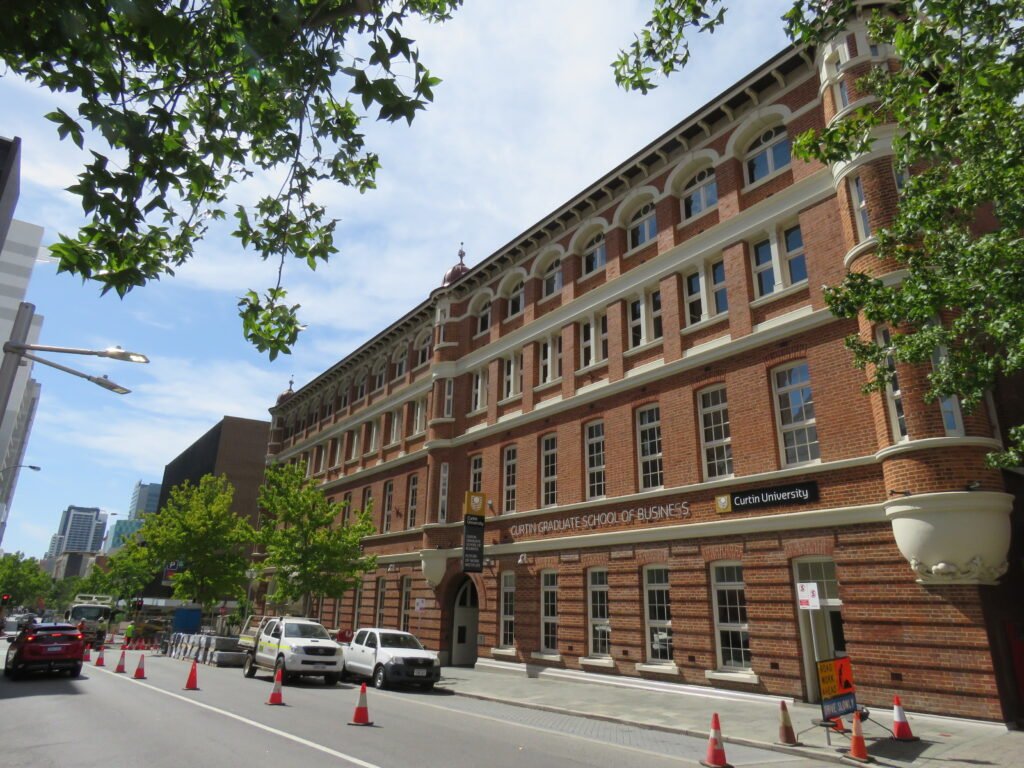
- Curtin: Vice-Chancellor Harlene Hayne said Curtin will vigorously oppose the plan in the interests of its more than 67,000 students, 10,000 staff and 300,000 graduates. She described it as a solution looking for a problem.
- Murdoch: Vice-Chancellor Andrew Deeks said the merger would absolutely not give students a better education, and the university believes WA is best served by four public universities with distinct characters.
- UWA: Vice-Chancellor Amit Chakma praised the government’s strategic direction but stopped short of endorsing the whole proposal. He said any merger must deliver significant benefits to students and the state.
Students and staff push back
Students have raised concerns that their interests are being overlooked. A Curtin law and international relations student told the ABC she feared employers would view a degree from an institution that no longer exists as a bad look. Curtin Student Guild president Dylan Storer warned of a loss of choice, less diversity and students falling through the cracks in a much larger university.
Staff are also opposed. The National Tertiary Education Union said more than two-thirds of WA university staff it surveyed oppose the merger, and it has vowed to fight the proposal.
Lessons from Adelaide University
WA appears to be following South Australia, which merged the University of South Australia and the University of Adelaide to create Adelaide University. It opened in January and was projected to bring about $500 million a year to the state’s economy.
A report last month found the new university was not on track to meet its international student targets and faced tens of millions of dollars in lost revenue. Curtin has pointed to the price tag of the South Australian consolidation as a warning for WA, and Adelaide students have reported frustration over enrolments and study plans.
Who would pay, and what about the land?
The cost is the biggest unanswered question. Shadow education minister Liam Staltari said it is still unclear what the merger would cost taxpayers and who would foot the bill. The ABC notes there are no assurances that a merged university would mean cheaper degrees.
Cook has said the burden should not fall only on WA taxpayers, arguing the universities have resources and large parcels of land that could be repurposed for housing. The three campuses sit on substantial sites in the Perth metropolitan area, close to transport links.
What it means for students
Nothing changes for current students yet, because the proposal is at the business-case stage. Students enrolled at UWA, Curtin or Murdoch will continue their courses as normal while the work is done. If you are choosing a university for 2027, check each institution’s updates and ask how any change would affect your degree, credit and graduation timeline.
What happens next
The business case is due by mid-2027, after which the government and universities would need to decide whether to proceed. Expect continued campaigning from Curtin, Murdoch and the union, plus political debate about costs. For more local coverage, see our education news.
Frequently asked questions
Which universities would be merged?
The University of Western Australia, Curtin University and Murdoch University. Edith Cowan University and the University of Notre Dame are not included.
Has the merger been approved?
No. The government has only announced that it will develop a business case. The findings are expected by the middle of 2027.
How big would the merged university be?
Almost 120,000 students, according to the government and the universities.
Will my degree still be valid?
There are no details yet. Current students are continuing their studies as normal, and any transition arrangements would be part of the business case and later planning.
Image: Calistemon / Wikimedia Commons / CC BY-SA 4.0 (cropped and resized)