Data centre developer Firmus has secured US$10 billion in funding to accelerate a push into building what the company describes as AI factories, large-scale, purpose-built data centre facilities designed specifically to support the enormous computing demands of artificial intelligence workloads. The funding round represents one of the largest single capital commitments yet made toward AI-specific infrastructure development in the Australian market.
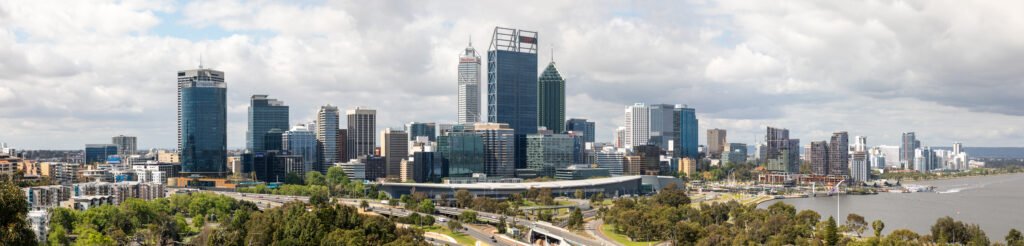
For Western Australia, where power access and land availability have made the state an increasingly attractive location for major data centre investment, the scale of Firmus’s funding raises the prospect of significant new AI infrastructure projects joining the wave of data centre development already underway across the state’s outback and metropolitan regions.
What an AI Factory Actually Involves
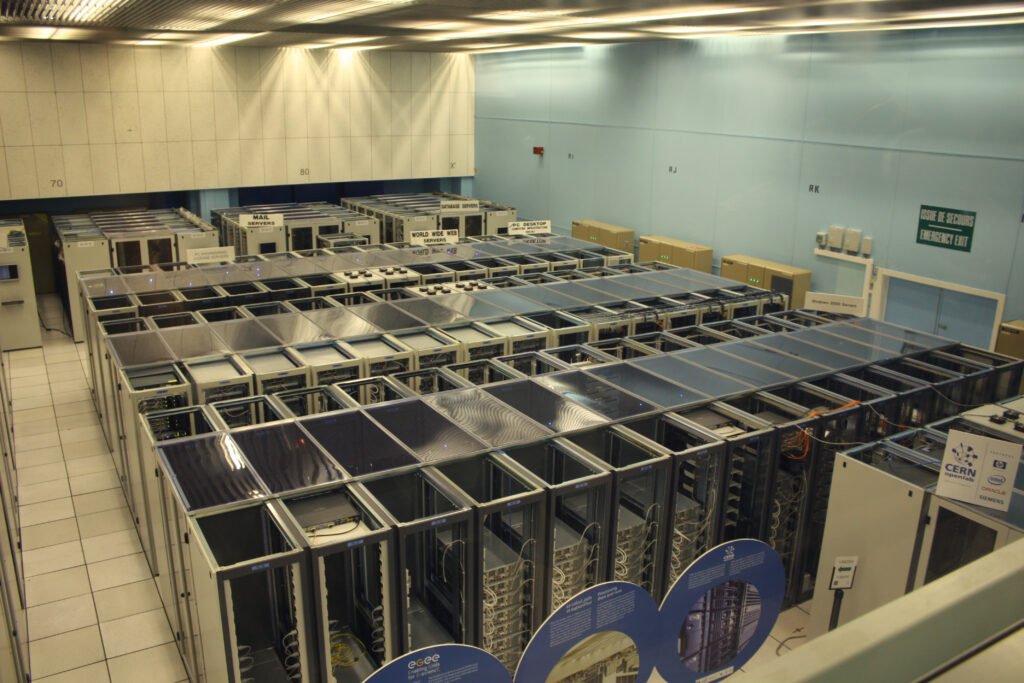
Unlike traditional data centres built primarily to host general-purpose cloud computing and storage workloads, AI factories are purpose-engineered around the specific power density, cooling and networking requirements of the specialised graphics processing chips used to train and run large artificial intelligence models. These facilities typically require substantially more power per square metre than conventional data centres, along with advanced liquid cooling systems to manage the heat generated by densely packed AI computing hardware.
The scale of capital required to build facilities of this kind reflects both the specialised engineering involved and the enormous ongoing demand for AI computing capacity from technology companies, enterprises and government agencies racing to deploy increasingly sophisticated AI applications across their operations.
Why Power Access Has Become the Key Constraint
Industry analysts have increasingly identified power access, rather than land, capital or construction capacity, as the primary bottleneck constraining data centre project development across Australia, given the sheer scale of electricity supply AI-focused facilities require to operate at full capacity. This dynamic has made access to reliable, and ideally low-cost, renewable energy generation a critical site-selection factor for developers like Firmus weighing where to locate new AI infrastructure investment.
Western Australia’s combination of abundant solar and wind resources, comparatively available industrial land, and growing renewable energy transmission infrastructure has increasingly positioned the state as an attractive location for exactly this kind of power-intensive data centre development, building on the momentum already evident from recent data centre and cybersecurity investment announcements in Perth.
Part of a Global AI Infrastructure Race
Firmus’s funding round sits within a broader global surge of capital flowing into AI infrastructure development, as major technology companies and specialist data centre developers race to build sufficient computing capacity to meet surging demand for AI model training and deployment. Australia has increasingly featured in this global investment wave, with its stable political environment, reliable legal system and growing renewable energy capacity making it an attractive, if not always the cheapest, location relative to some competing jurisdictions internationally.
What It Means for Australian Jobs and Economy
Large-scale AI infrastructure projects typically generate significant construction employment during the building phase, alongside smaller but highly skilled ongoing operational workforces once facilities become operational, spanning roles from electrical and mechanical engineering through to specialist data centre operations and cybersecurity. For regions hosting these facilities, the broader economic benefit often extends beyond direct employment to include increased demand for local construction, engineering and professional services businesses supporting major project delivery.
What Comes Next
With substantial new funding now secured, attention turns to which specific sites Firmus selects for its expanded AI factory rollout, and whether Western Australia’s combination of renewable energy resources and available industrial land proves sufficient to attract a meaningful share of this significant capital investment wave. As AI computing demand continues its rapid global growth trajectory, the race to build sufficient infrastructure capacity looks set to remain one of the defining investment stories of the technology sector through 2026 and beyond.
WA’s Competitive Position
Compared to the more established data centre markets of Sydney and Melbourne, WA offers developers like Firmus meaningfully lower land and power costs, alongside relatively less competition for grid connection capacity, factors that have already attracted several recent data centre and cybersecurity investment announcements to Perth. As power access becomes the dominant constraint on new AI infrastructure development nationally, these cost and capacity advantages could translate into a genuine competitive edge for WA in attracting a share of Firmus’s expanded investment program.
State government officials have consistently pointed to WA’s abundant renewable energy resources as a selling point for exactly this kind of power-intensive digital infrastructure investment, framing the state’s data centre ambitions as a natural extension of its existing strengths in large-scale energy project development.
Investors backing the Firmus funding round are betting on sustained, long-term global demand for AI computing capacity, a wager that has so far played out favourably across the sector even as some analysts caution that the pace of AI infrastructure investment could eventually outstrip near-term demand in certain markets.
For now, the scale of Firmus’s funding underscores just how much capital continues flowing into AI infrastructure globally, regardless of the ongoing debate about how quickly individual businesses are actually seeing productivity returns from their own AI investments.