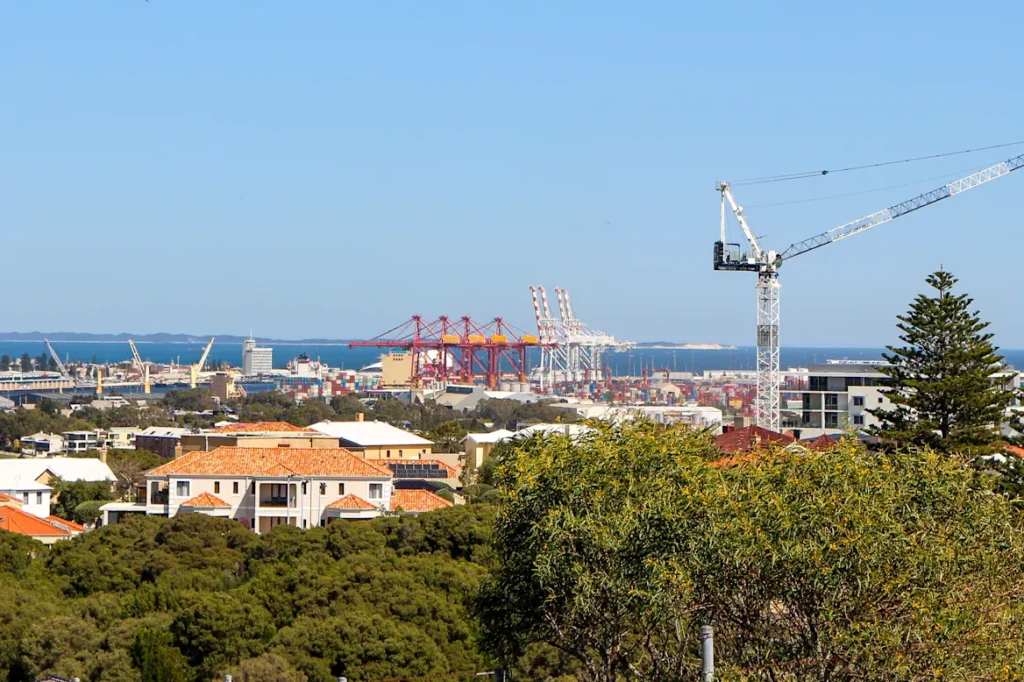
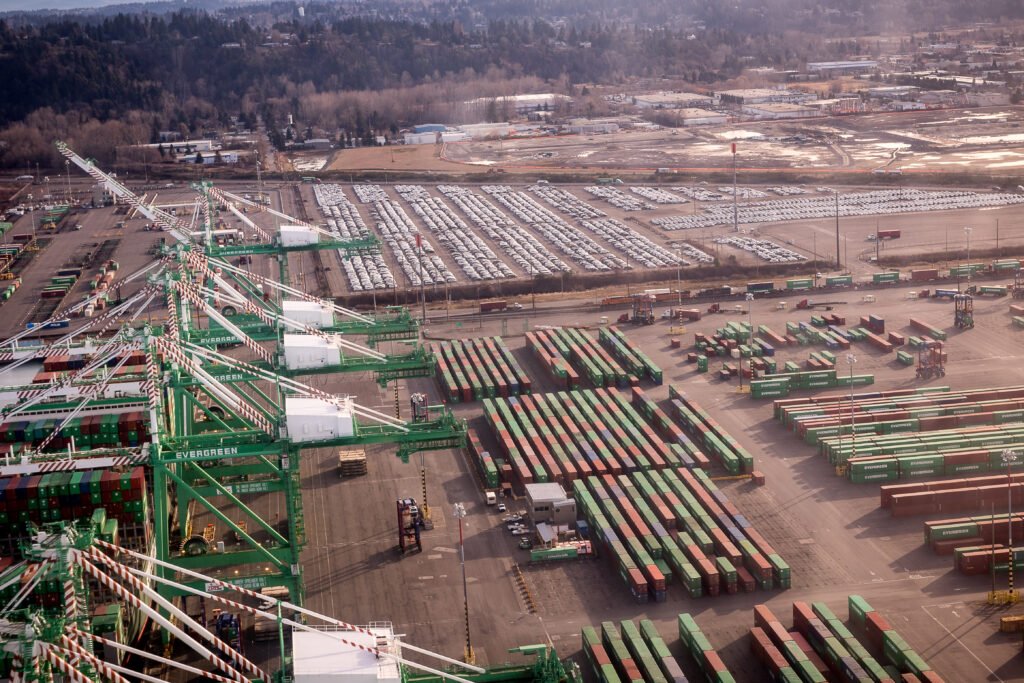
Australian container terminal operator Patrick Terminals has begun introducing electric terminal trucks and accompanying charging infrastructure to its Fremantle operations, marking one of the more visible steps yet toward decarbonising Western Australia’s busiest container port. The rollout of nine electric terminal trucks represents a meaningful shift away from the diesel-powered equipment that has traditionally dominated port yard operations, both in Fremantle and at container terminals globally.
The move comes as Fremantle Port continues to handle growing container volumes ahead of its eventual transition toward the new Westport facility planned for Kwinana, with terminal operators increasingly looking to electrify yard equipment as both an environmental and operational efficiency measure during the port’s remaining years as WA’s primary container gateway.
Why Terminal Trucks Are a Logical Starting Point
Terminal trucks, which shuttle containers around a port’s yard between ships, storage stacks and truck or rail pickup points, are widely regarded within the logistics industry as one of the more straightforward pieces of port equipment to electrify, given their relatively predictable, repetitive operating cycles within a confined yard area. That predictability makes it easier for operators to plan charging infrastructure and rostering around battery range, compared to long-haul freight applications where charging logistics remain more complex.
Electrification of terminal equipment also offers direct operational benefits beyond emissions reduction, including lower fuel and maintenance costs over the equipment’s operating life, reduced noise levels within the port precinct, and improved air quality for staff working in close proximity to yard equipment throughout their shifts.
Part of a Broader Port Modernisation Push
The electric truck rollout sits alongside a broader wave of infrastructure investment at Fremantle, including DP World’s new rail interchange project designed to shift more container movements from road to rail, reducing heavy truck traffic on surrounding roads during the upcoming closure of the Fremantle Traffic Bridge. Fremantle Ports has separately unveiled new, locally built pilot vessels to support efficient ship movements, part of a wider pattern of technology and infrastructure upgrades occurring across the port precinct even as planning for its eventual Kwinana successor continues in parallel.
Industry analysts note that global port operators have increasingly treated equipment electrification as a near-term, lower-risk decarbonisation step compared to more technically complex options such as hydrogen-powered cranes or vessels, making terminal truck fleets a common early target for ports worldwide looking to demonstrate tangible progress on emissions reduction commitments.
What It Means for Port Workers and the Local Economy
For workers operating the new electric fleet, the transition typically involves updated training around battery-powered vehicle operation and charging protocols, alongside quieter, lower-vibration working conditions compared to diesel equivalents. Local suppliers and contractors involved in installing and maintaining the new charging infrastructure also stand to benefit from the broader shift toward electrification occurring across WA’s freight and logistics sector, as similar upgrades gradually extend to other equipment categories and potentially other WA ports over time.
Looking Ahead
With Fremantle Port expected to continue operating as WA’s primary container gateway for at least another decade before Westport comes online, continued investment in equipment upgrades, including further electrification of yard fleets, is likely to remain a feature of the port’s operations throughout that extended transition period. Whether similar electrification efforts extend to larger, more technically challenging equipment categories such as ship-to-shore cranes will likely depend on how successfully the initial terminal truck rollout performs in Fremantle’s day-to-day operating conditions.
Part of a Global Port Electrification Trend
Fremantle’s move mirrors a broader global pattern among major container terminals, where operators from Rotterdam to Los Angeles have progressively electrified yard equipment fleets over the past several years in response to both tightening emissions regulations and growing customer demand for lower-carbon supply chains. Large shipping lines and freight forwarders have increasingly incorporated port sustainability credentials into their own vendor selection criteria, giving terminal operators like Patrick a commercial incentive, alongside environmental and regulatory drivers, to accelerate equipment electrification.
Industry observers expect further electrification announcements across other Australian ports over coming years, as battery technology continues to improve and charging infrastructure costs decline, making the economics of electric terminal equipment increasingly competitive with traditional diesel alternatives even before accounting for the associated emissions and air quality benefits.
Patrick Terminals has not disclosed a specific timeline for expanding the electric fleet beyond the initial nine trucks, though industry sources suggest the results of this first deployment phase will heavily influence the pace of any further rollout, both at Fremantle and potentially across the company’s other container terminal operations nationally.
For WA more broadly, the electrification of port equipment adds to a growing list of decarbonisation initiatives spanning the state’s freight and logistics sector, complementing separate efforts around rail electrification and renewable energy investment in supporting infrastructure such as charging depots and grid connections.
Environmental groups have cautiously welcomed the move while pressing for continued transparency on emissions reduction targets across WA’s broader freight and logistics sector, arguing that individual equipment upgrades, while positive, need to be part of a coherent, measurable statewide decarbonisation strategy rather than standalone corporate initiatives.