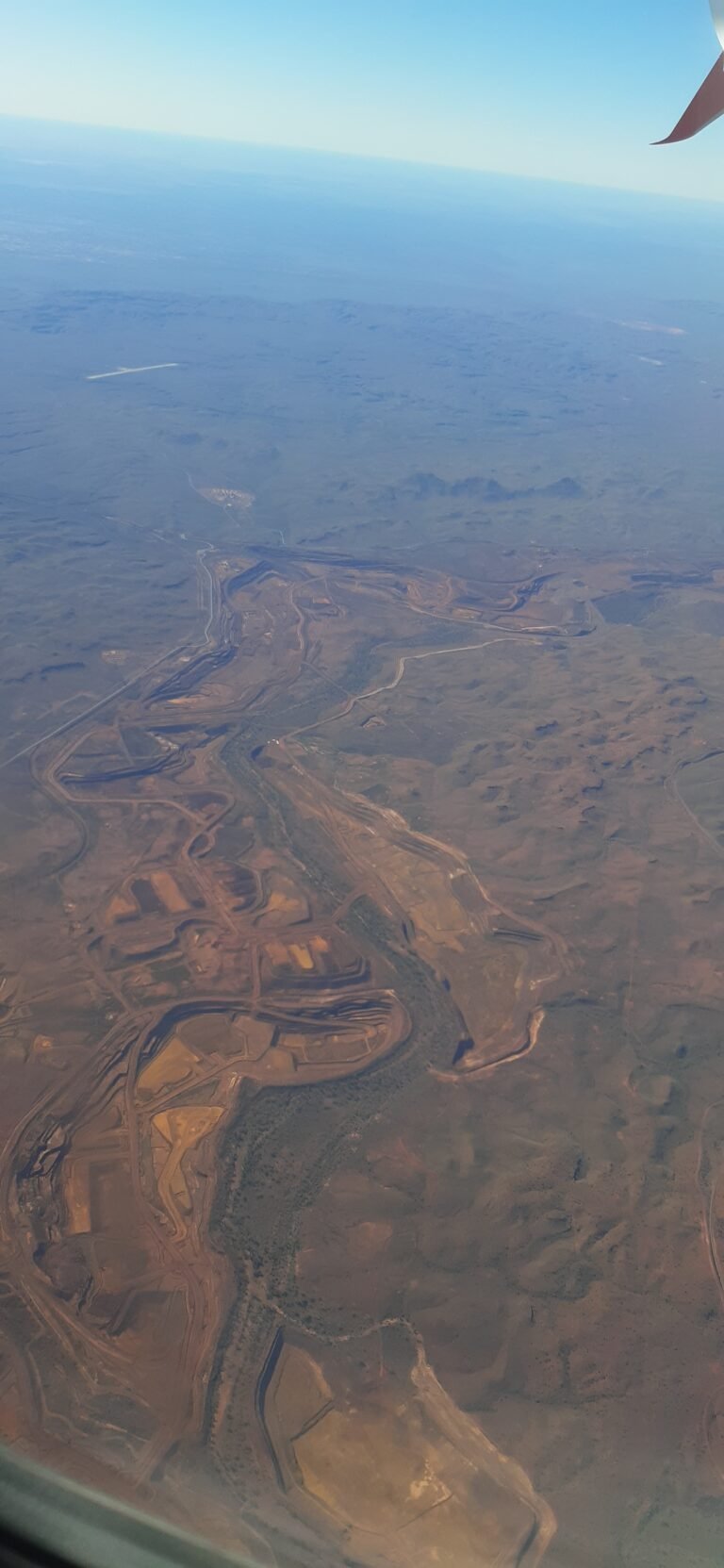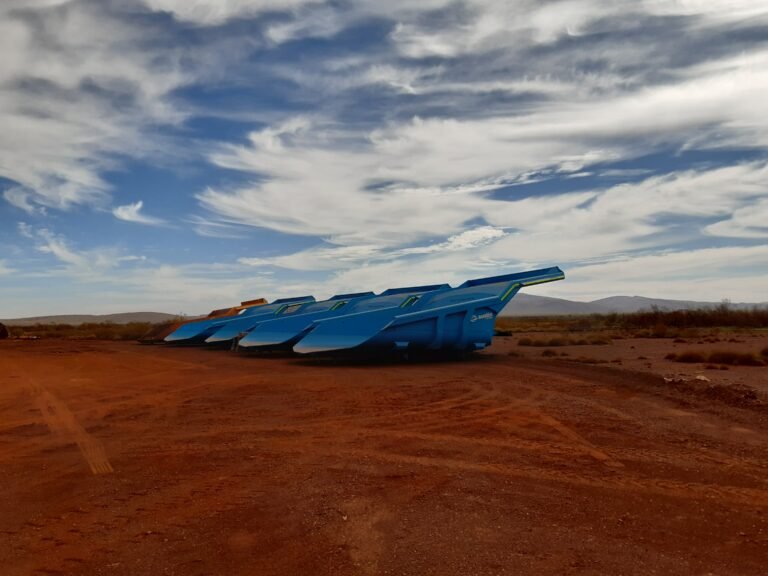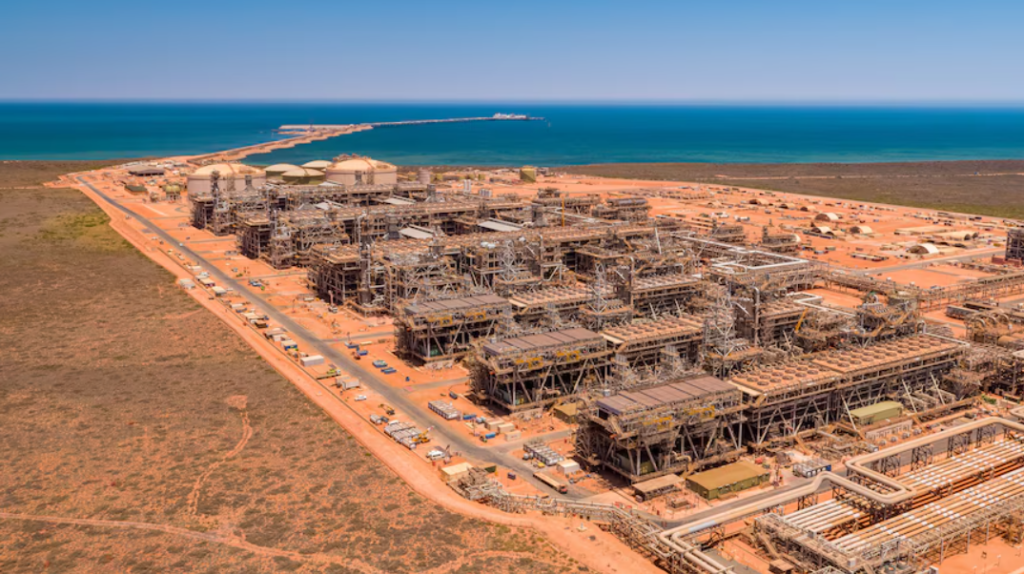
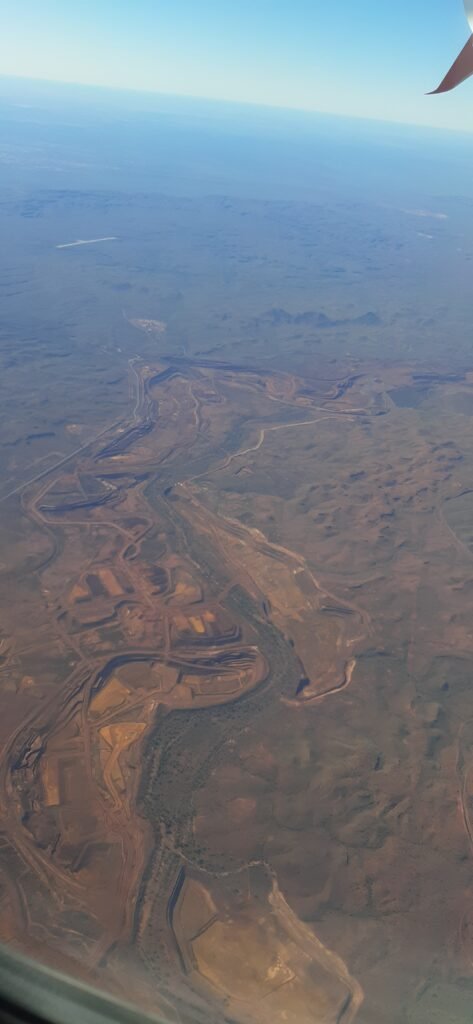
Western Australia’s iron ore exports have reached a new record, with 926 million tonnes shipped in the year to January 2026, the highest volume ever recorded for any 12-month period, according to state government trade data. The value of those exports totalled $120.6 billion over the same period, cementing iron ore’s position as the single largest pillar of the state’s export economy and a critical driver of both state royalty revenue and national trade figures.
The record volume, up 4.2 per cent on the prior year, reflects continued production ramp-ups across a number of major and expansion projects, even as the benchmark iron ore price has remained relatively subdued by historical standards, trading below $100 a tonne for much of the period, a dynamic industry analysts describe as a clear volume-over-price strategy among Australian producers.
Where the Growth Is Coming From
Much of the recent export growth has been driven by new and expanding projects across the Pilbara, including the Onslow, Western Range and Iron Bridge developments, which have added meaningful new production capacity to the state’s established base of long-running operations run by BHP, Rio Tinto and Fortescue. Full-year 2026 iron ore production across Australia is projected to rise a further 2.6 per cent to reach 993.4 million tonnes, according to industry estimates, suggesting the current growth trajectory has further room to run.
China remains overwhelmingly the dominant destination for WA’s iron ore, accounting for $103.8 billion, or 86 per cent, of total export value in the year to January 2026. Japan and South Korea followed as the next largest markets, each accounting for roughly 5 per cent of total export value, underscoring how heavily WA’s iron ore trade remains concentrated in North Asian steelmaking markets.
Price Pressures Behind the Volume Story
While export volumes have hit record highs, the iron ore price itself has faced downward pressure over the medium term, partly reflecting rising supply from new sources including Guinea’s major Simandou project, which began operations in late 2025 and is expected to eventually add up to 120 million tonnes of iron ore a year to global supply once fully ramped up. The WA Government’s own budget forecasts anticipate the average iron ore price easing further in coming years, from around US$85 a tonne in 2026-27 to roughly US$72 a tonne annually between 2027-28 and 2029-30, reflecting an expectation that prices will gradually normalise toward long-term historical averages.
Weather-related supply disruptions have also periodically affected pricing, with Cyclone Narelle contributing to a temporary price spike earlier in the year after the storm disrupted Pilbara export operations, a reminder of how exposed the industry remains to seasonal cyclone risk despite the scale and sophistication of modern mining and port infrastructure.
What Record Exports Mean for the State Budget
Iron ore royalties remain the single largest contributor to WA’s state government revenue, underpinning the string of consecutive budget surpluses the state has posted in recent years and funding a significant share of the government’s infrastructure and cost-of-living relief commitments. Even with the price outlook softening over the medium term, the sheer scale of export volumes means iron ore royalties are expected to remain a dominant feature of WA’s public finances for the foreseeable future, even as the government continues efforts to diversify the broader state economy into sectors like technology and advanced manufacturing.
Looking Ahead
With new supply continuing to enter the global market from both established Australian producers and emerging sources like Simandou, the coming years are likely to test whether WA’s volume-over-price strategy continues to deliver record export figures even as per-tonne prices face structural downward pressure. For now, though, the state’s iron ore sector remains firmly the backbone of the WA economy, translating record production into export figures that continue to break new ground even as the underlying price environment grows more competitive.
Diversification Efforts Continue Regardless
Despite iron ore’s continued dominance, state economic planners have long acknowledged the risks of relying so heavily on a single commodity and a single export destination, prompting sustained efforts to diversify WA’s economic base into sectors such as critical minerals, renewable energy, tourism and advanced technology. Critical minerals in particular are increasingly positioned as a complementary growth pillar, with WA holding significant reserves of lithium and rare earth elements that are attracting growing global interest as demand for battery and clean energy technology accelerates worldwide.
Even so, economists caution that iron ore is likely to remain the dominant force in WA’s export economy for the foreseeable future, given the sheer scale of existing infrastructure investment and the multi-decade mine life of the state’s major iron ore deposits, meaning genuine economic diversification will likely take place gradually alongside continued iron ore dominance rather than replacing it outright.
For now, the record export figures serve as a reminder of just how central the Pilbara’s iron ore operations remain to Australia’s broader trade balance and to Western Australia’s standing as the country’s dominant resources-exporting state.