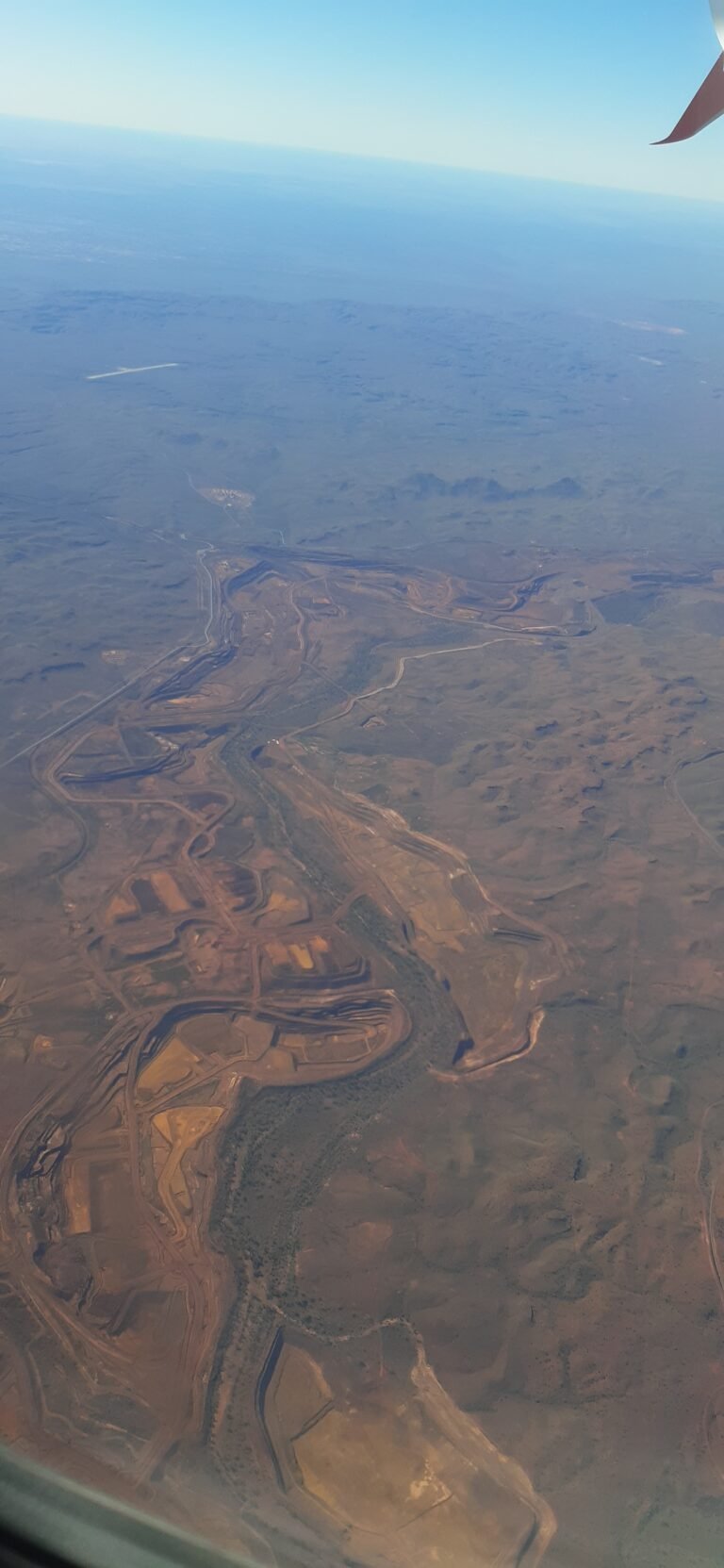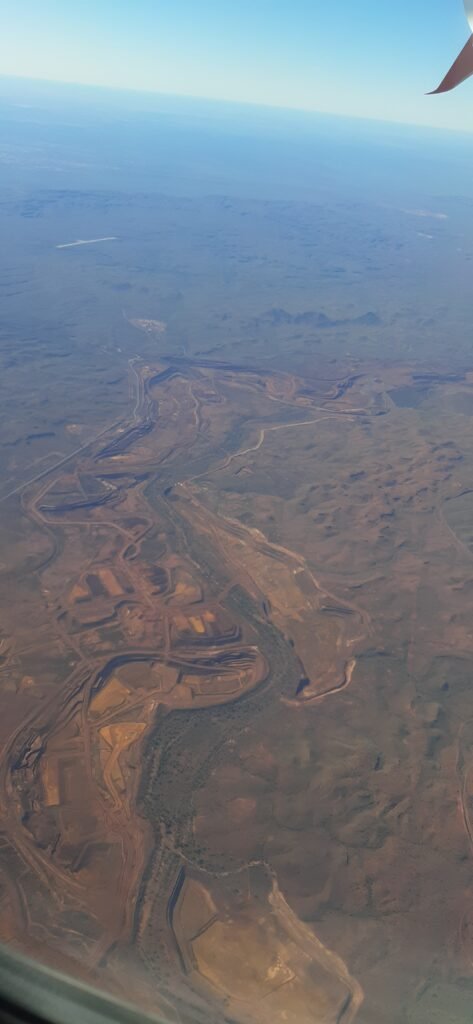
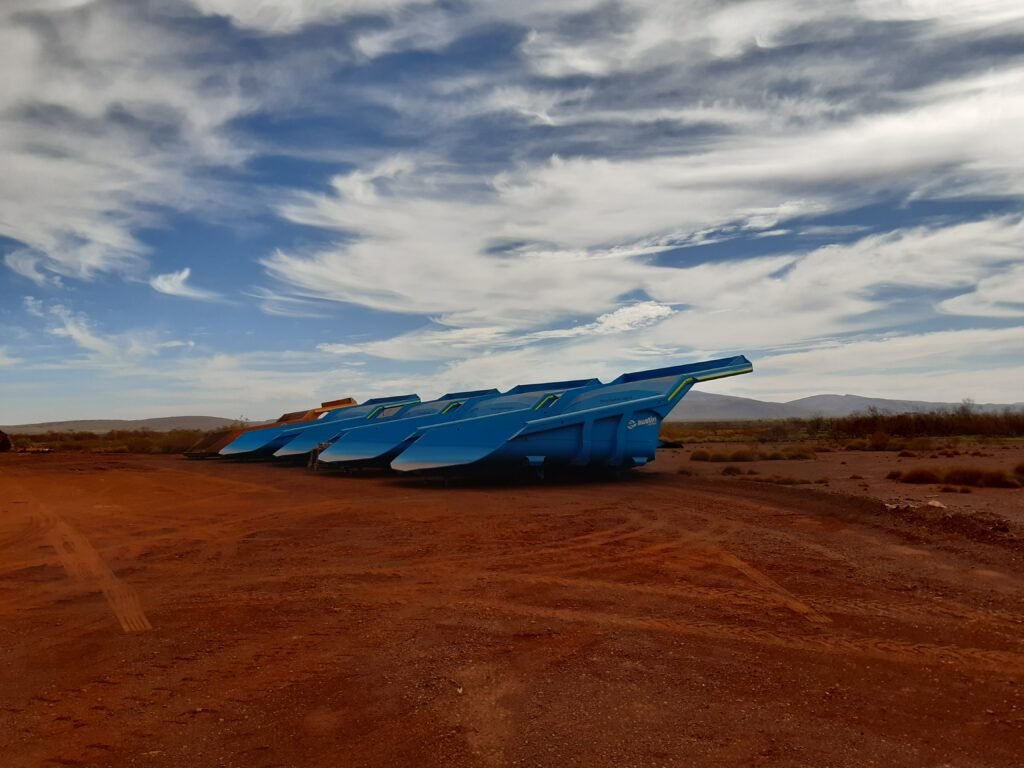
Western Australia’s Pilbara region has firmly established itself as the global epicentre of autonomous mining technology, with Rio Tinto and BHP now running hundreds of driverless haul trucks across their iron ore operations and Fortescue pushing ahead with an ambitious plan to deploy 360 battery-electric autonomous trucks by 2030. What began as an experimental technology in the mid-2000s has, by 2026, become the operational baseline for how the world’s largest iron ore miners move material from pit to port.
Rio Tinto’s Mine of the Future program, which first introduced autonomous haul trucks at its Pilbara operations in 2008, now sees more than 160 trucks running driverless, controlled remotely from an operations centre in Perth more than 1,200 kilometres from the mine sites themselves. The company has separately deployed AutoHaul, the world’s largest autonomous heavy-haul rail network, which moves approximately a million tonnes of iron ore per day without an onboard driver.
A Widening Adoption Race
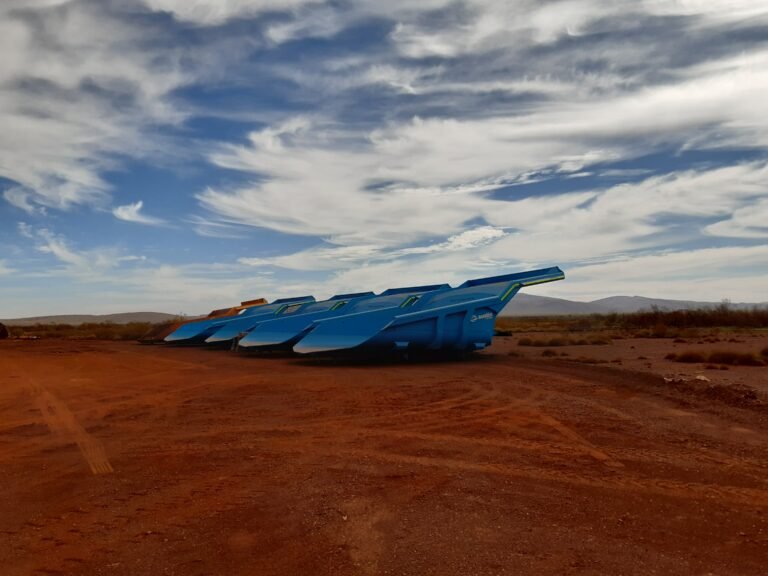
BHP has pursued a parallel automation strategy through its Next Generation Mining programme, deploying autonomous haulage across several of its own Pilbara sites, while Fortescue has taken a distinctive approach by combining autonomy with electrification. The company’s $350 million deal with Liebherr, signed in 2025, will see 360 battery-electric autonomous trucks progressively deployed across Fortescue’s Pilbara portfolio by the end of the decade, pairing the productivity benefits of driverless operation with a push toward decarbonising the notoriously diesel-intensive haul truck fleet.
Smaller producers have joined the trend as well, with Mineral Resources partnering with autonomy specialist Hexagon to introduce driverless triple road trains at its Onslow Iron project, using autonomous prime movers to unlock what the company describes as previously stranded tonnes across its Ashburton Hub supply chain.
Why Automation Has Become Essential, Not Optional
Industry analysts say the conversation around autonomous haulage in 2026 has shifted decisively from whether the technology works to a granular assessment of exactly how much it saves per tonne of material moved. With more than 1,500 autonomous trucks now operating globally, a widening productivity gap has emerged between mining operators that have embraced automation and those still relying primarily on human-operated fleets, particularly as commodity price volatility puts sustained pressure on operating margins.
Beyond raw haulage, Tier-1 Pilbara operators are increasingly running fully integrated automated value chains, where autonomous trucks communicate directly with automated rail networks, which in turn synchronise with automated stockyard and port loading systems, creating a continuous, largely human-free data pipeline from pit to ship.
What It Means for the Pilbara Workforce
The rapid expansion of autonomous haulage inevitably raises questions about the future shape of the Pilbara workforce, with traditional haul truck driving roles gradually giving way to remote operations, maintenance and systems monitoring positions based largely out of Perth rather than on-site in the Pilbara itself. Mining companies argue the shift has improved safety outcomes by removing workers from the immediate vicinity of heavy machinery, while unions and some regional community advocates have raised concerns about the flow-on effects of shifting employment away from resource towns and toward the capital.
Training providers and mining companies alike are increasingly focused on reskilling pathways that allow experienced haul truck operators to transition into the technical and remote-operations roles automation creates, rather than being displaced entirely from the industry.
Setting the Global Benchmark
With capital payback periods for mine-to-port automation now falling under 30 months for major brownfield conversions, according to industry analysis, the economic case for autonomous haulage has moved well beyond experimental territory. As operators in more challenging environments overseas, including sub-arctic sites in Canada, look to the Pilbara as a reference model for how to implement large-scale automation, Western Australia’s resources sector finds itself in the unusual position of exporting not just iron ore, but a genuine global blueprint for the future of mining technology.
Safety Gains Alongside Efficiency
Beyond the productivity case, mining companies consistently point to safety as a core driver behind the shift to autonomous haulage. Removing drivers from the cabs of enormous, multi-hundred-tonne trucks eliminates a category of fatigue and human-error-related incidents that have historically posed one of the most significant safety risks in large-scale surface mining. Fewer workers physically present in active pit zones, combined with continuous, automated tracking of vehicle locations and movements, has contributed to measurable improvements in safety statistics across sites that have fully transitioned to autonomous fleets.
These safety gains have also strengthened the broader case for automation among regulators and industry safety bodies, who have generally supported the technology’s expansion even as they continue monitoring emerging risks specific to autonomous operations, including cybersecurity considerations for remotely controlled heavy machinery operating in increasingly connected mine environments.
As the Pilbara’s automated fleets continue to expand, the region’s experience is increasingly studied by mining companies and technology providers well beyond Australia, reinforcing WA’s position not just as a resources exporter but as a genuine test bed for the technology now reshaping large-scale mining operations worldwide.