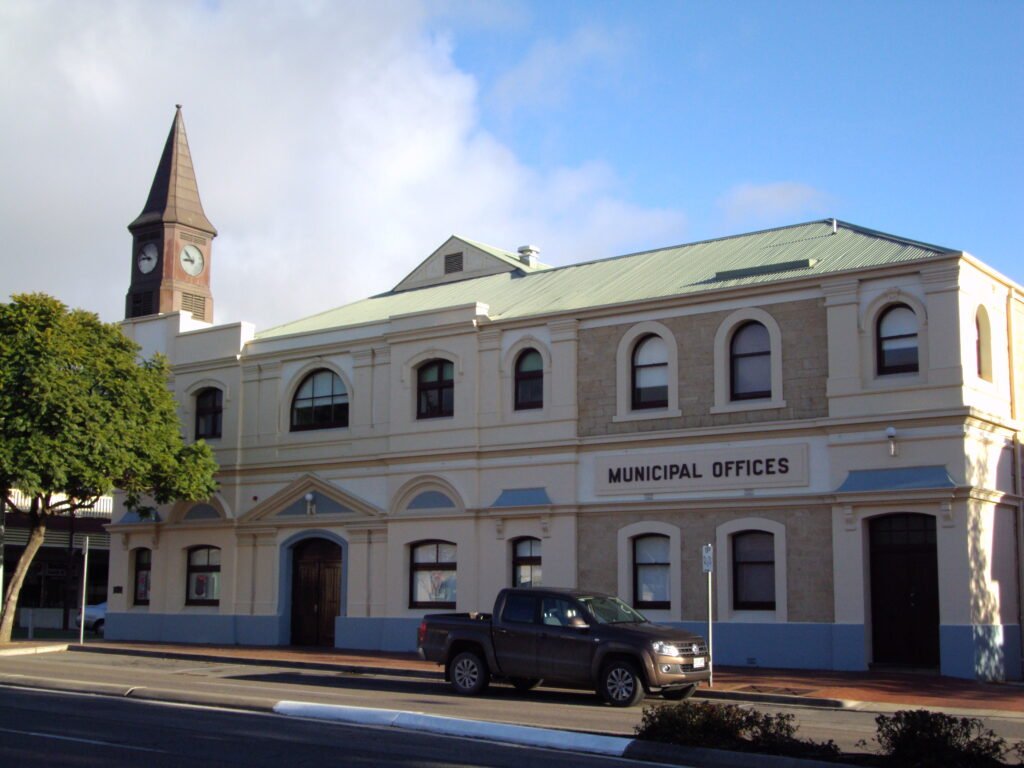
Prime Minister Anthony Albanese has vowed to inject $200 million into regional Western Australia to boost housing and infrastructure, a federal funding pledge aimed squarely at addressing chronic housing shortages and ageing infrastructure in towns well outside the Perth metropolitan area. The commitment lands as regional WA communities continue to grapple with the twin pressures of population growth in some areas and infrastructure that has not always kept pace with demand.
Federal funding announcements targeting regional Western Australia carry particular political weight given the state’s outsized contribution to national export revenue through resources royalties, and Canberra’s at-times fraught relationship with WA over issues including the GST distribution formula. A dedicated regional funding package offers the federal government a visible way to demonstrate commitment to the state beyond the recurring GST negotiation cycle.
Where the Money Is Expected to Go
Housing has been flagged as a central priority for the funding, reflecting acute shortages that have affected regional WA towns in different ways depending on their economic base. Resource towns in the Pilbara and Goldfields have historically faced housing pressure tied to mining workforce demand, while agricultural and coastal communities in the South West and Great Southern regions have grappled with limited construction capacity and rising costs constraining new housing supply even where demand exists.
Infrastructure spending under the package is expected to target a mix of projects including roads, community facilities and services infrastructure that regional local governments have long argued struggle to attract adequate funding relative to metropolitan areas, despite regional WA’s outsized contribution to the state and national economy through agriculture, mining and tourism.
Why Regional Investment Matters Politically
Regional electorates across Western Australia have historically been more contested than the state’s reliably safe metropolitan seats, making targeted infrastructure and housing funding a politically salient tool for both major parties. Federal governments of both political stripes have periodically directed dedicated regional funding packages toward WA in the lead-up to state and federal elections, reflecting the electoral significance of demonstrating tangible commitment to communities that can otherwise feel overlooked relative to the attention given to capital cities.
Local government associations representing regional WA councils have generally welcomed targeted federal funding of this kind, while consistently arguing that one-off funding packages, however welcome, do not fully substitute for more structural, ongoing funding certainty that would allow regional councils to plan long-term infrastructure and housing strategies with greater confidence.
The State-Federal Dynamic
Federal funding announcements for WA infrastructure typically involve some degree of coordination, and occasionally friction, with the state government, which retains primary responsibility for many of the housing and infrastructure planning decisions the federal money will ultimately support. Effective delivery of the $200 million package is likely to depend heavily on how smoothly federal and state authorities coordinate on project selection, approvals and construction timelines, a process that has occasionally been a source of delay for previous joint funding initiatives in the state.
What Regional Communities Want to See Next
For regional WA residents and local leaders, the practical test of the funding commitment will be how quickly it translates into visible housing and infrastructure outcomes on the ground, rather than remaining a headline announcement. Community advocates have called for transparent, timely rollout of the funding, along with genuine local consultation on project priorities to ensure the money is directed toward the specific housing and infrastructure gaps individual regional communities are actually experiencing, rather than a one-size-fits-all approach applied uniformly across WA’s vast and varied regional footprint.
Comparisons to Past Regional Funding Packages
Federal regional funding packages of this scale are not unprecedented in Western Australia, with previous governments of both political persuasions directing similar dedicated funding toward regional infrastructure and housing over the past decade. Analysts who track these packages say their long-term effectiveness tends to hinge less on the headline dollar figure and more on how efficiently the money is actually deployed, with some previous regional funding rounds criticised for slow rollout or projects that took years longer than initially promised to reach completion.
Regional mayors and shire presidents across WA have generally responded positively to the announcement while also flagging that construction costs and labour shortages, the same pressures affecting the state’s broader housing sector, could complicate how quickly the funding translates into completed homes and infrastructure on the ground, regardless of how promptly the money itself is allocated.
For regional voters, funding pledges of this kind will ultimately be judged less on the announcement itself than on the visible outcomes delivered over the following years, a standard several previous regional infrastructure commitments in WA have struggled to fully meet within their original timeframes.
Community leaders in some of the towns expected to benefit have called for genuine local consultation on how the money is spent, arguing that shire councils and residents are best placed to identify their community’s most pressing housing and infrastructure gaps, rather than having priorities determined solely from Canberra or Perth.