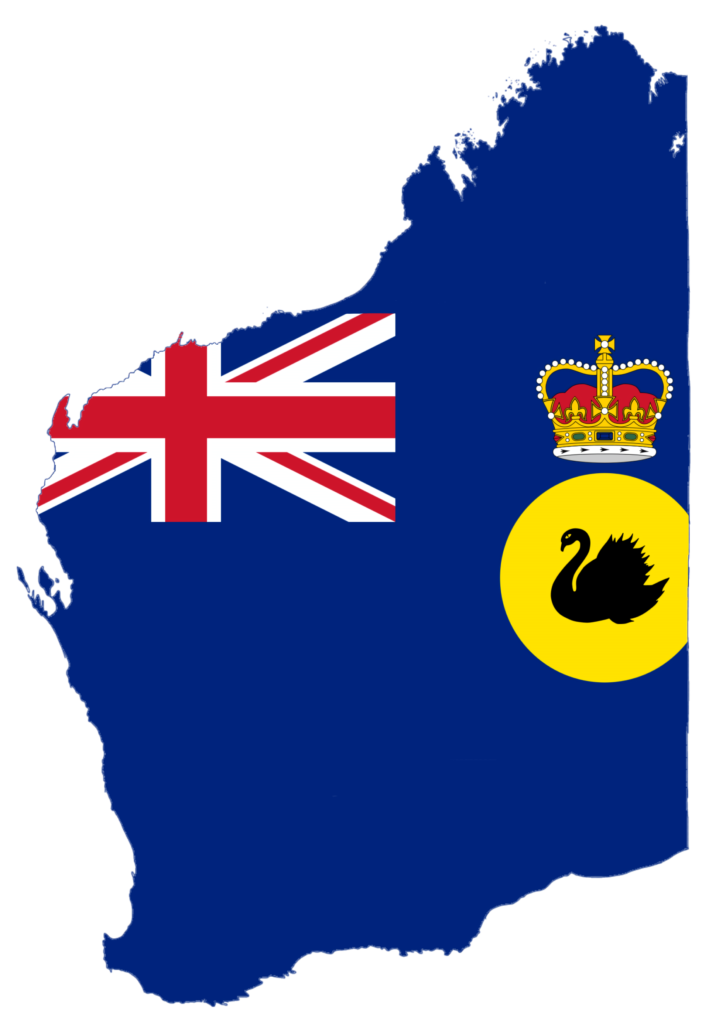
An old but persistent strand of Western Australian political identity has resurfaced, with a revived push for the state to secede from the rest of the Commonwealth gaining fresh attention through a newly circulated manifesto. The renewed campaign draws on a long history of WA secessionist sentiment stretching back nearly a century, and while few observers expect it to translate into any genuine constitutional change, its reappearance says as much about ongoing state-federal financial tensions as it does about fringe political movements.
Western Australia’s secessionist streak is not a new phenomenon. The state famously voted overwhelmingly in favour of leaving the Commonwealth in a 1933 referendum, a result that was ultimately never acted upon after the British Parliament declined to intervene in what it considered an internal Australian matter. Nearly a century later, echoes of that same grievance, namely a sense that WA contributes disproportionately to national coffers without commensurate return, continue to surface periodically in state political discourse.
What’s Driving the Renewed Push
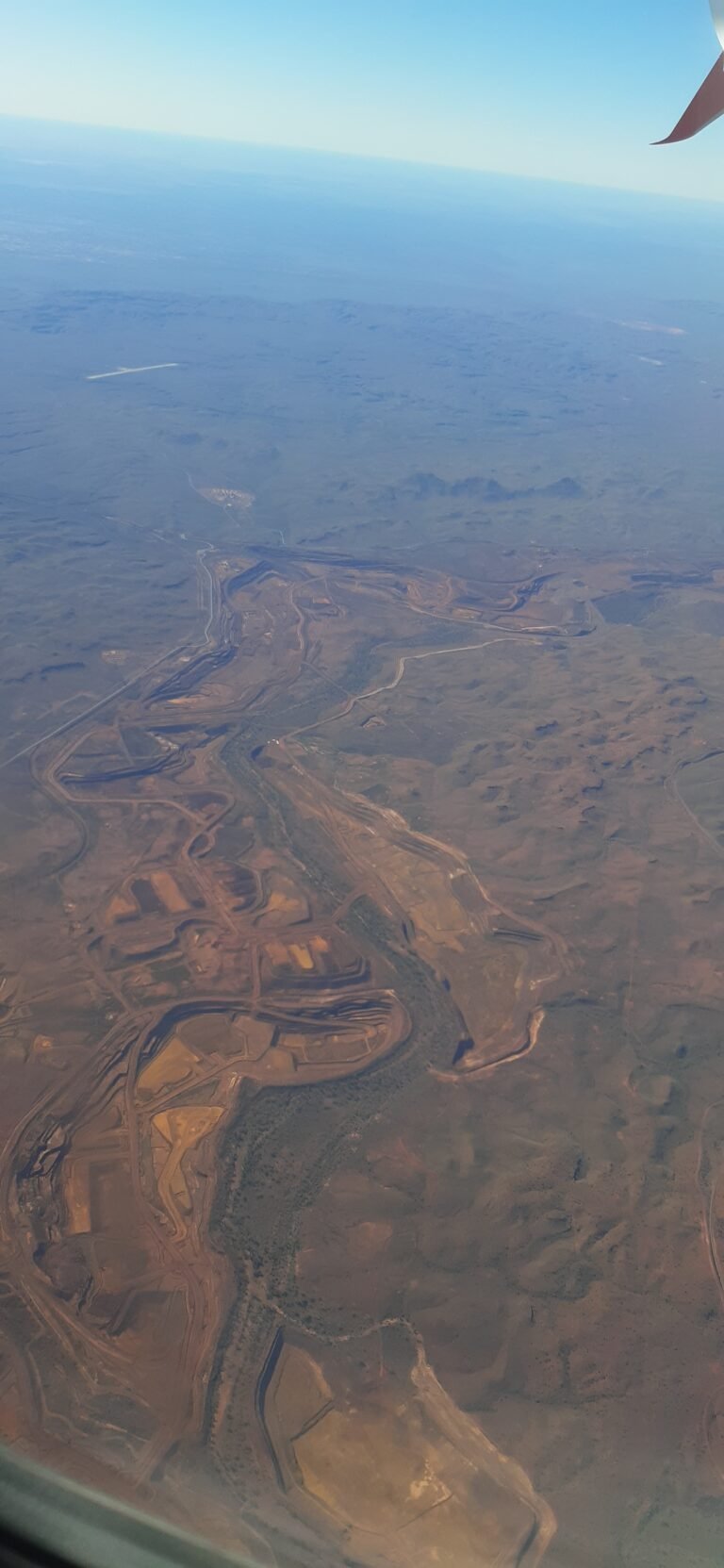
The latest manifesto reportedly leans heavily on familiar arguments about WA’s outsized contribution to the national economy through resources royalties and GST revenue, arguing the state does not receive a fair return relative to what it generates. These grievances have particular resonance given WA’s role as the nation’s primary iron ore and resources exporter, generating tens of billions of dollars in export revenue annually while continuing to negotiate with Canberra over the GST distribution formula that determines how much of that revenue effectively flows back to the state.
Supporters of the renewed push point to WA’s geographic isolation, distinct economic base and what they describe as a persistent sense of being overlooked in national policy decisions made in Canberra, thousands of kilometres away. Critics, meanwhile, dismiss the movement as a fringe distraction from more substantive state-federal financial negotiations that occur through official channels such as the Commonwealth Grants Commission process.
Why It Rarely Goes Anywhere
Constitutional experts are consistent in noting that any genuine path to secession would face enormous legal and political hurdles, requiring changes that neither the Australian Constitution nor established international precedent make straightforward. Unlike the 1933 vote, which occurred under different constitutional arrangements between Australia and Britain, any modern secession attempt would need to navigate the Australian Constitution’s amendment provisions, which require support from both a national referendum majority and a majority of states, a bar secessionist WA voters alone could never clear on their own.
For these reasons, mainstream political parties, including WA’s major state parties, have consistently declined to endorse secession as a serious policy position, even while frequently echoing softer versions of the same grievances around GST fairness and Canberra’s attentiveness to WA’s specific economic interests.
A Symptom of Deeper Fiscal Tensions
Political analysts suggest the periodic resurgence of secessionist sentiment functions less as a genuine policy movement and more as a pressure valve for broader frustrations over how WA’s resources wealth is distributed nationally. The state’s GST share has been a recurring flashpoint in federal-state relations for over a decade, with successive WA governments of both major parties lobbying Canberra for changes to the distribution formula, achieving a landmark deal in 2018 that guaranteed WA a minimum GST floor after years of the state receiving among the lowest per-capita shares in the country.
Even with that arrangement now in place, resources-sector advocates and some political figures continue to argue WA remains under-compensated relative to its contribution, a grievance the revived secession manifesto has tapped into, even if its practical prospects remain effectively nil.
What Comes Next
Whether the renewed manifesto gains any lasting traction beyond social media attention and opinion column debate remains to be seen. History suggests these periodic flare-ups of WA secessionist sentiment tend to fade relatively quickly once the underlying economic grievance driving them, usually related to GST distribution or federal funding decisions, is addressed or moves off the news agenda. For now, the revived push serves as a reminder that Western Australia’s complicated relationship with the rest of the federation, forged in resource wealth and geographic distance, remains a live undercurrent in the state’s political identity even a century after the original secession vote.
Lessons From 1933
Historians studying the original 1933 secession vote point out that the movement of that era emerged from a similarly potent mix of economic grievance during the Depression years and a sense of neglect by a federal government seen as prioritising the more populous eastern states. That the same underlying themes, geographic distance, resource wealth and a perceived imbalance in federal attention, continue to resurface nearly a century later suggests the sentiment reflects something more structural about WA’s relationship with the rest of the federation than a simple reaction to any single policy dispute.
Some commentators have also noted the irony that WA’s current economic strength, built substantially on the same resources wealth that fuels secessionist grievances, is precisely what gives the state considerable leverage within the federation today, leverage that successive WA governments have used to negotiate improved GST arrangements without ever seriously pursuing the more radical path of full separation.