Federal Government Criticised Over Response to Spread of Sea Urchins
Introduction
Australia’s federal government is facing criticism over its response to the rapid spread of sea urchins, which are causing growing damage to marine ecosystems. Scientists, conservationists, and industry groups say action has been too slow, allowing the problem to worsen in key coastal areas.
The issue is not just environmental. It also affects fisheries, tourism, and local economies that depend on healthy marine habitats. As sea urchin populations expand, concerns are rising about long-term ecological impact.
In this article, you’ll learn why sea urchins are becoming a problem, what critics are saying about the government’s response, and what solutions are being proposed.
Table of Contents
- What is happening with sea urchins
- Why their spread is a concern
- Criticism of the federal government
- Impact on marine ecosystems and industries
- Proposed solutions
- What happens next
What Is Happening With Sea Urchins
Sea urchin populations have been increasing in certain parts of Australia’s coastal waters.
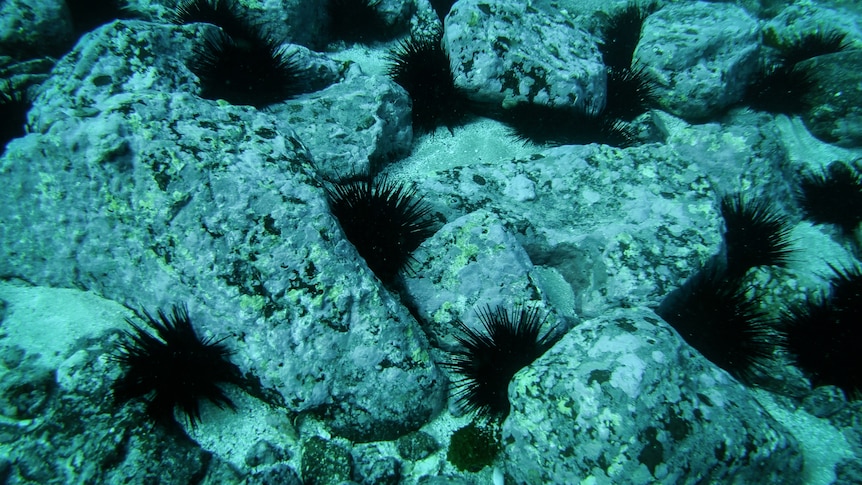
These species are spreading into new areas and forming dense populations.
This expansion is often linked to:
- Changing ocean conditions
- Decline of natural predators
- Environmental shifts
As their numbers grow, their impact becomes more noticeable.
Why Their Spread Is a Concern
Sea urchins feed on kelp and other marine vegetation.
When populations grow unchecked, they can:
- Destroy kelp forests
- Create “urchin barrens” with little biodiversity
- Disrupt marine food chains
Kelp forests are critical habitats for many marine species, so their loss has wide-ranging effects.
Criticism of the Federal Government
Experts and stakeholders argue that the government has not acted quickly or strongly enough.
Key criticisms include:
- Delays in funding and intervention programs
- Lack of coordinated national strategy
- Insufficient support for affected regions
Some believe earlier action could have limited the spread and reduced damage.
Impact on Marine Ecosystems and Industries
Environmental Impact
- Loss of biodiversity
- Damage to important habitats
- Reduced resilience of marine ecosystems
Economic Impact
Industries affected include:
- Fisheries, due to reduced fish habitats
- Tourism, especially in coastal regions
- Local businesses relying on marine resources
Community Impact
Coastal communities may face:
- Economic challenges
- Environmental degradation
- Reduced recreational opportunities
Proposed Solutions
Targeted Removal Programs
Efforts to control sea urchin populations through:
- Manual removal
- Commercial harvesting
Predator Restoration
Rebuilding populations of natural predators can help restore balance.
Increased Funding
Experts are calling for more investment in:
- Research
- Monitoring programs
- Local response initiatives
National Strategy
A coordinated approach across states and regions is seen as essential.
What Happens Next
Policy Review
The government may face pressure to review and strengthen its response.
Increased Collaboration
Better coordination between federal, state, and local authorities is likely.
Ongoing Monitoring
Scientists will continue tracking the spread and impact of sea urchins.
Conclusion
The spread of sea urchins is becoming a serious environmental challenge in Australia, with impacts reaching beyond marine ecosystems into the economy and communities. Criticism of the federal government highlights the need for faster and more coordinated action.
Addressing the issue will require a combination of scientific research, policy changes, and practical intervention. As the situation evolves, timely action will be key to protecting Australia’s marine environments.
FAQ Section
Why are sea urchins a problem?
They can destroy kelp forests and disrupt marine ecosystems.
What are “urchin barrens”?
Areas where sea urchins have removed most vegetation, leaving little marine life.
Why is the government being criticised?
For slow response, limited funding, and lack of coordination.
How can the problem be solved?
Through removal programs, predator restoration, and better policies.
Does this affect people directly?
Yes, it impacts fisheries, tourism, and coastal communities.
All rights belong to their respective owners. This article contains references and insights based on publicly available information and sources. We do not claim ownership over any third party content mentioned.