
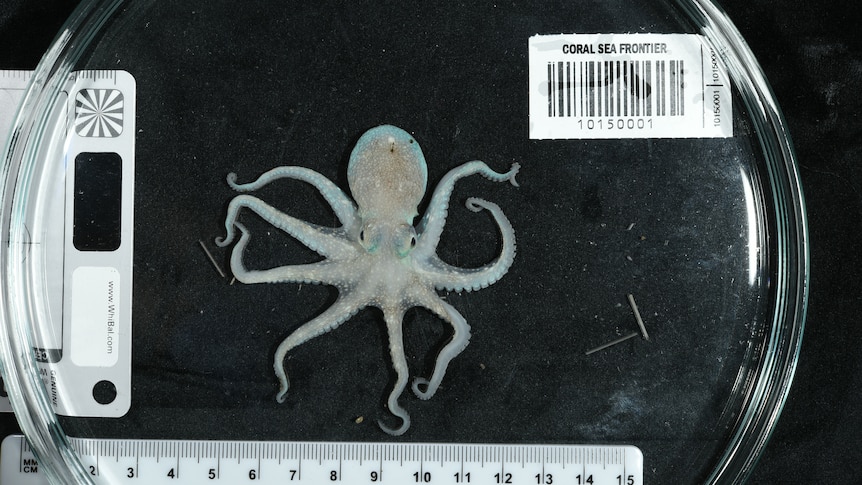
Scientists Discover More Than 117 Deep-Sea Creatures in the Coral Sea
Introduction
A major scientific discovery has revealed more than 117 previously unknown deep-sea species in the Coral Sea, highlighting just how little we know about life beneath the ocean’s surface. The findings come from recent exploration missions that used advanced technology to study one of the most remote and least explored marine environments on Earth.
This discovery is not just exciting for scientists. It also shows how important ocean research is for understanding biodiversity, protecting ecosystems, and uncovering species that may hold future scientific value.
In this article, you’ll learn what was discovered, why the Coral Sea is so important, and what this means for science and conservation.
Table of Contents
- What was discovered in the Coral Sea
- Why the Coral Sea is unique
- Types of deep-sea creatures found
- How scientists made the discovery
- Why this discovery matters
- Future research and conservation
What Was Discovered in the Coral Sea
Scientists exploring the Coral Sea have identified more than 117 deep-sea species, many of which are believed to be new to science.
These discoveries include:
- Previously unseen marine animals
- Rare deep-sea organisms
- Unique species adapted to extreme environments
This highlights how much of the ocean remains unexplored.
Why the Coral Sea Is Unique
Coral Sea
The Coral Sea is located off the northeast coast of Australia and is known for its rich biodiversity.
Key features include:
- Deep ocean trenches
- Remote coral reefs
- Minimal human disturbance
Because it is less explored than other regions, it holds many hidden species.
Types of Deep-Sea Creatures Found
The newly discovered species include a wide variety of marine life.
Examples include:
- Bioluminescent fish that produce their own light
- Strange-looking sea stars and corals
- Deep-sea crustaceans with unique features
- Jellyfish and soft-bodied organisms
Many of these creatures have adapted to extreme pressure, darkness, and cold temperatures.
How Scientists Made the Discovery
The discoveries were made using advanced exploration tools.
Remote Operated Vehicles (ROVs)
Scientists used robotic submarines to explore deep ocean areas that humans cannot reach.
High-Resolution Cameras
These captured detailed images of marine life in their natural habitat.
Sample Collection
Researchers collected specimens for further study and classification.
These technologies are helping scientists explore parts of the ocean that were previously inaccessible.
Why This Discovery Matters
Expanding Scientific Knowledge
Discovering new species helps scientists understand:
- Evolution of marine life
- Ecosystem interactions
- Adaptation to extreme environments
Conservation Importance
Identifying species is the first step in protecting them.
This research can support:
- Marine conservation efforts
- Protected ocean areas
- Sustainable environmental policies
Potential Future Benefits
Some deep-sea organisms may have:
- Medical applications
- Biotechnological uses
- Insights into new materials or processes
Future Research and Conservation
Scientists believe many more species remain undiscovered.
Future efforts may focus on:
- Continued deep-sea exploration
- Mapping unknown ocean regions
- Strengthening conservation measures
Protecting these ecosystems is critical as human activity expands into ocean environments.
Conclusion
The discovery of more than 117 deep-sea creatures in the Coral Sea is a powerful reminder of how much of our planet remains unexplored. These findings not only expand our understanding of marine life but also highlight the importance of protecting fragile ocean ecosystems.
As technology continues to advance, more discoveries are likely to follow. Each new species brings us closer to understanding the complexity and beauty of life beneath the ocean surface.
FAQ Section
Where is the Coral Sea located?
It is located in the Pacific Ocean, off the northeast coast of Australia.
How many species were discovered?
More than 117 deep-sea species were identified.
Are these species new to science?
Many of them are believed to be previously unknown.
How were the creatures discovered?
Using advanced tools like robotic submarines and high-resolution cameras.
Why is this discovery important?
It helps improve scientific knowledge and supports conservation efforts.
All rights belong to their respective owners. This article contains references and insights based on publicly available information and sources. We do not claim ownership over any third party content mentioned.