WA Premier Issues Transparency Warning to Fuel Suppliers: What It Means for Consumers
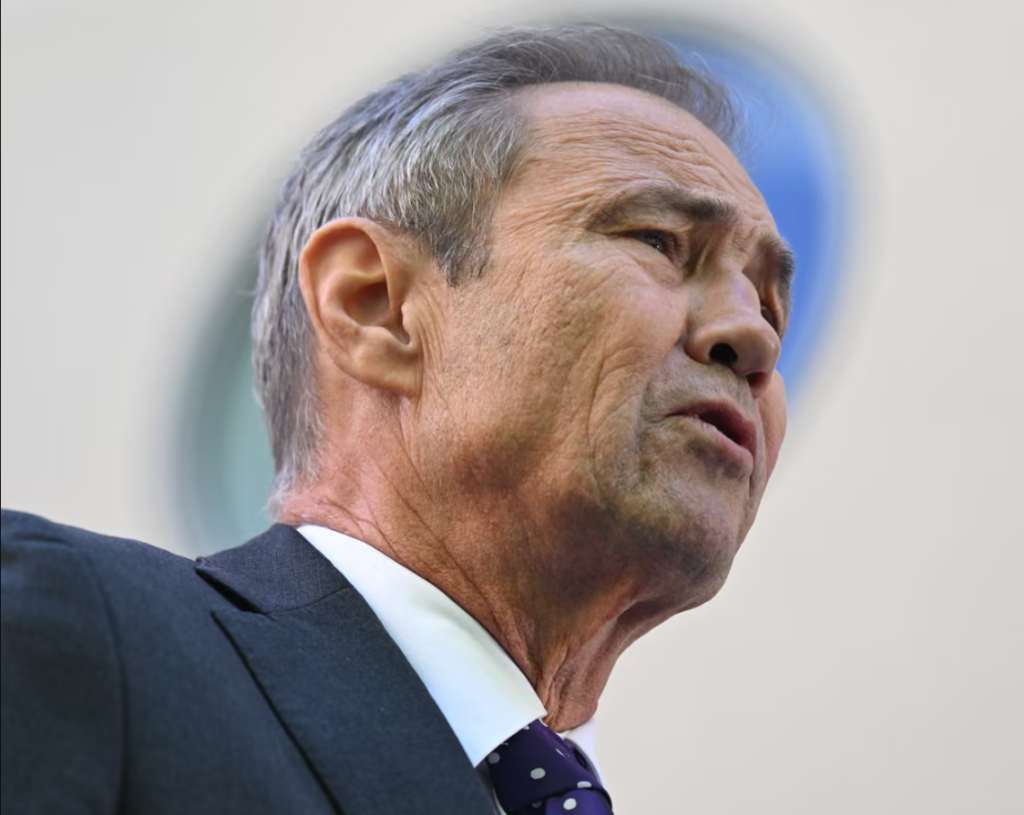
Fuel prices are once again under scrutiny in Western Australia, as the WA Premier has issued a strong warning to fuel suppliers over transparency concerns. With petrol prices fluctuating and cost-of-living pressures rising, the government is demanding clearer and more accountable pricing practices.
This move comes amid growing public frustration, with many consumers questioning why fuel prices vary so widely and change so frequently. The warning signals that the government is prepared to take action if transparency does not improve.
In this article, you’ll understand what the warning is about, why it matters, and how it could affect fuel prices and consumers across Western Australia.
Table of Contents
- What the WA Premier’s warning is about
- Why fuel price transparency matters
- Key concerns with fuel suppliers
- Impact on consumers and businesses
- Possible government actions
- What happens next
What the WA Premier’s Warning Is About
The WA Premier has raised concerns about how fuel prices are set and communicated to the public.
The warning focuses on:
- Lack of clear pricing information
- Sudden price increases
- Inconsistent pricing across locations
Fuel suppliers are being urged to be more transparent about how prices are determined.
Why Fuel Price Transparency Matters
Transparency helps consumers make informed decisions.
When pricing is clear:
- Drivers can choose where and when to buy fuel
- Competition between suppliers increases
- Unfair pricing practices are reduced
Without transparency, consumers may feel they are being overcharged or misled.
Key Concerns With Fuel Suppliers
Price Fluctuations
Fuel prices can change daily, sometimes without clear explanation.
This creates confusion and frustration for consumers.
Regional Price Differences
Prices often vary between urban and regional areas.
While some differences are expected, large gaps raise concerns.
Lack of Clear Communication
Consumers may not fully understand:
- What drives price changes
- How global oil prices affect local costs
- Why prices differ between stations
Impact on Consumers and Businesses
For Consumers
- Higher and unpredictable fuel costs
- Difficulty budgeting for daily travel
- Reduced trust in pricing systems
For Businesses
Businesses that rely on transport may face:
- Increased operational costs
- Uncertainty in planning expenses
Fuel pricing affects not just individuals, but the broader economy.
Possible Government Actions
If transparency does not improve, the government may consider stronger measures.
These could include:
- Stricter regulations on fuel pricing
- Mandatory reporting requirements
- Increased monitoring of suppliers
The goal is to ensure fairness and protect consumers.
What Happens Next
Fuel suppliers are likely to face increased scrutiny in the coming weeks.
Possible developments include:
- Discussions between government and industry
- Review of existing pricing systems
- Potential policy changes
The situation will depend on how suppliers respond to the warning.
Conclusion
The WA Premier’s warning to fuel suppliers highlights growing concerns about pricing transparency and fairness. As fuel costs continue to impact households and businesses, clear and accountable pricing has become more important than ever.
While it remains to be seen what actions will follow, this move signals that the government is paying close attention to the issue. For consumers, improved transparency could lead to better choices and fairer prices in the future.
FAQ Section
Why did the WA Premier issue a warning to fuel suppliers?
Due to concerns about unclear pricing, sudden increases, and lack of transparency.
What does fuel price transparency mean?
It means clear and understandable information about how fuel prices are set.
How does this affect consumers?
It can lead to fairer pricing and better decision-making when buying fuel.
Could fuel prices decrease because of this?
Possibly, if increased transparency leads to stronger competition.
What actions can the government take?
They may introduce regulations, monitoring systems, or reporting requirements.
All rights belong to their respective owners. This article contains references and insights based on publicly available information and sources. We do not claim ownership over any third party content mentioned.