Victoria and Tasmania Offer Free Public Transport Amid Fuel Crisis While NSW and WA Maintain Fares
Australia is facing a growing fuel crisis, and different states are responding in very different ways. Victoria and Tasmania have introduced free public transport to ease pressure on households, while New South Wales (NSW) and Western Australia (WA) have chosen to continue charging fares.
This contrast has sparked debate about fairness, cost-of-living relief, and government priorities. For many Australians, transport costs are a daily burden, and decisions like these can have a real impact on budgets.
In this article, you’ll get a clear breakdown of what’s happening, why states are taking different approaches, and what it means for commuters.
Table of Contents
- What is happening across Australian states
- Why Victoria and Tasmania made transport free
- Why NSW and WA are still charging fares
- Impact on commuters and the economy
- Key insights and future outlook
What Is Happening Across Australian States
In response to rising fuel prices, some Australian states have introduced temporary relief measures.
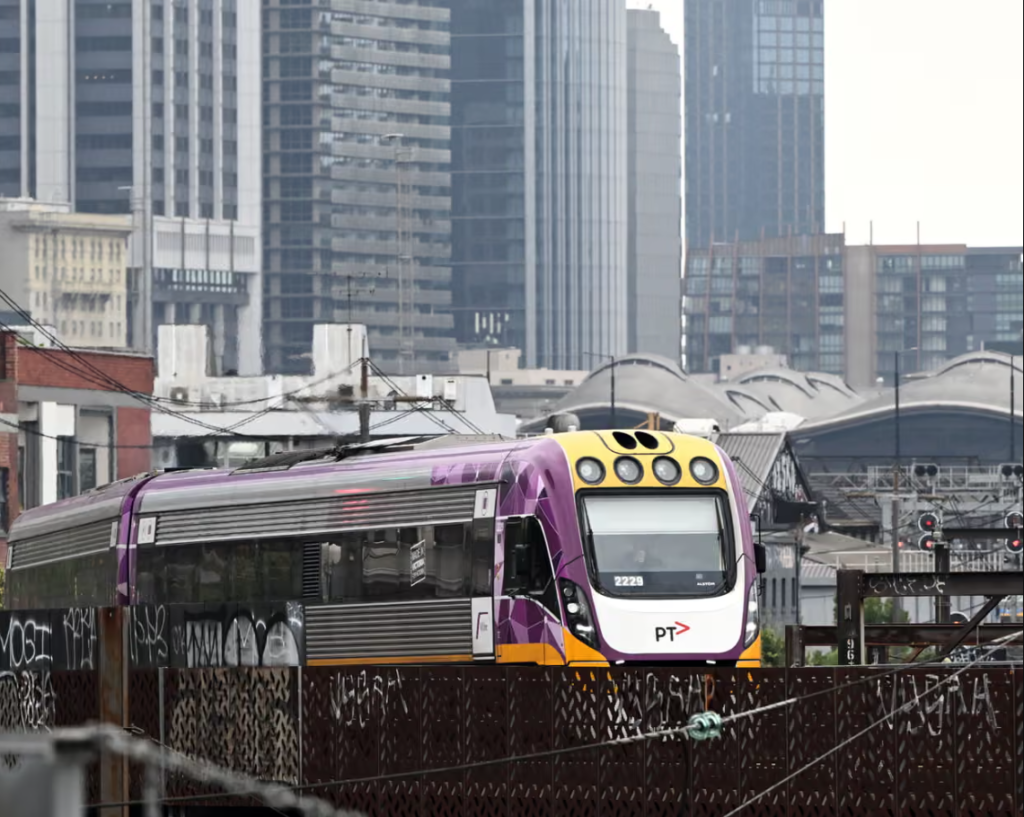
Victoria and Tasmania have taken a bold step by offering free public transport for a limited period. Meanwhile, NSW and WA have decided to maintain existing fare systems.
This creates a clear divide in how states are addressing the same issue.
Key differences include:
- Free travel in Victoria and Tasmania
- Regular fares still in place in NSW and WA
- Different policy approaches based on budgets and priorities
Why Victoria and Tasmania Made Transport Free
Victoria and Tasmania aim to reduce the financial burden on residents during the fuel crisis.
Cost-of-Living Relief
Free public transport helps households save money on daily travel.
This is especially important for:
- Low-income families
- Students
- Daily commuters
Encouraging Public Transport Use
Making transport free can increase usage.
This may help:
- Reduce road congestion
- Lower fuel demand
- Cut emissions
Short-Term Emergency Measure
These policies are typically temporary.
They are designed to provide immediate relief rather than long-term change.
Why NSW and WA Are Still Charging Fares
NSW and WA have taken a more cautious approach.
Budget Considerations
Public transport systems rely heavily on fare revenue.
Removing fares could:
- Reduce funding for services
- Increase pressure on state budgets
Alternative Support Measures
Instead of free transport, these states may focus on:
- Fuel subsidies
- Targeted financial support
- Infrastructure investment
Operational Costs
Maintaining transport systems involves significant expenses.
Governments must balance affordability with sustainability.
Impact on Commuters and the Economy
For Commuters
In Victoria and Tasmania:
- Lower daily expenses
- Increased access to transport
In NSW and WA:
- Continued transport costs
- Potential financial strain for some households
For the Economy
Free public transport can:
- Boost local spending
- Encourage mobility
- Support economic activity
However, it also requires government funding, which may affect budgets.
Public Debate
The differing approaches have sparked discussions about:
- Fairness between states
- Effectiveness of short-term relief measures
- Long-term transport policy
Key Insights and Future Outlook
Australia’s response to the fuel crisis highlights how policy decisions can vary widely between states.
Looking ahead:
- More states may consider similar measures if fuel prices remain high
- Governments will need to balance short-term relief with long-term sustainability
- Public transport policy could become a bigger part of cost-of-living discussions
These developments may influence future decisions on transport and energy policy.
Conclusion
Victoria and Tasmania’s decision to offer free public transport during the fuel crisis provides immediate relief to residents, while NSW and WA have chosen to maintain fare systems due to budget and operational considerations.
Both approaches reflect different priorities and challenges. As the situation evolves, it will be important to monitor how these policies impact commuters, state budgets, and overall economic activity.
For now, the divide highlights the complexity of managing cost-of-living pressures in a changing economic environment.
FAQ Section
Which states are offering free public transport?
Victoria and Tasmania have introduced free public transport as a temporary measure.
Why are NSW and WA not offering free transport?
They are maintaining fares due to budget concerns and operational costs.
Is free public transport permanent?
No, it is usually a short-term response to specific situations like a fuel crisis.
How does free transport help during a fuel crisis?
It reduces travel costs and encourages people to use public transport instead of driving.
Could other states follow this approach?
It is possible if fuel prices remain high or public pressure increases.
All rights belong to their respective owners. This article contains references and insights based on publicly available information and sources. We do not claim ownership over any third party content mentioned.