Ex-Tropical Cyclone Narelle Disrupts WA’s Domestic Gas Supply and Port Operations
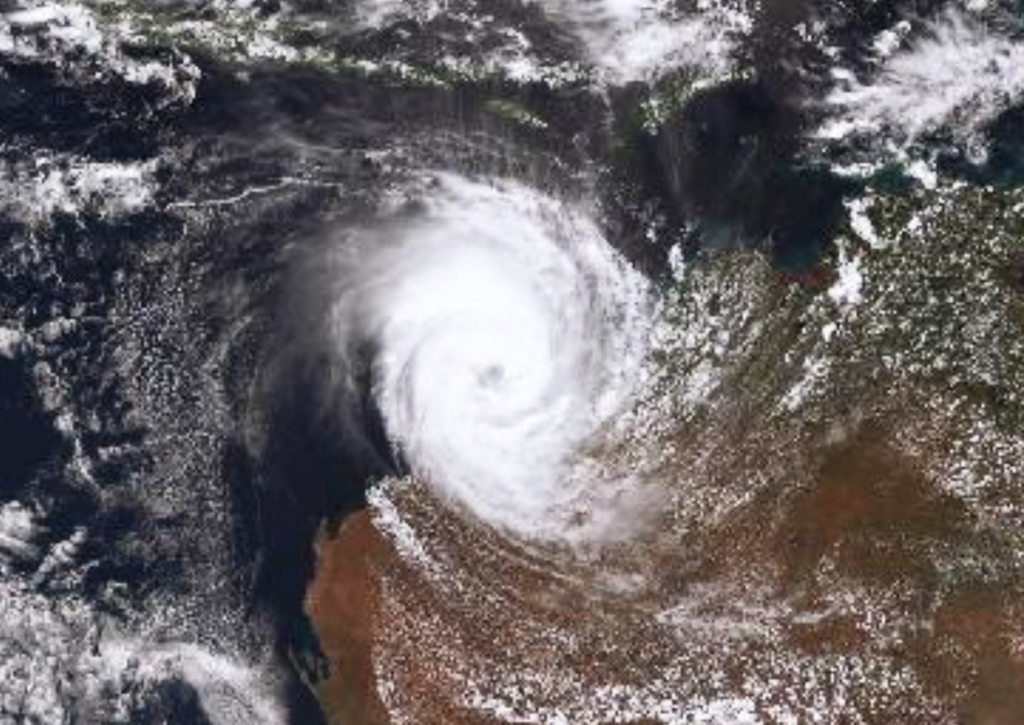
Western Australia is dealing with major disruptions after ex-Tropical Cyclone Narelle swept across key regions, impacting both domestic gas supply and port operations. The aftermath of the storm has affected critical infrastructure, raising concerns about energy availability and supply chain delays.
While cyclones are not uncommon in Australia, the scale of disruption caused by Narelle highlights how vulnerable essential systems can be during extreme weather events. From paused gas production to halted shipping activity, the effects are being felt across multiple industries.
In this article, you’ll get a clear breakdown of what happened, how it affected operations, and what it means for businesses and consumers.
Table of Contents
- What happened during ex-Tropical Cyclone Narelle
- Impact on gas supply in Western Australia
- Disruptions to port operations
- Economic and industry effects
- Recovery efforts and next steps
What Happened During Ex-Tropical Cyclone Narelle
Ex-Tropical Cyclone Narelle brought strong winds and harsh weather conditions across parts of Western Australia.
Although it weakened from a full cyclone, it still caused significant disruption due to:
- Powerful wind systems
- Rough seas and high waves
- Hazardous conditions for infrastructure and transport
These conditions forced precautionary shutdowns across several sectors.
Impact on Gas Supply in Western Australia
One of the most critical impacts has been on domestic gas supply.
Production Disruptions
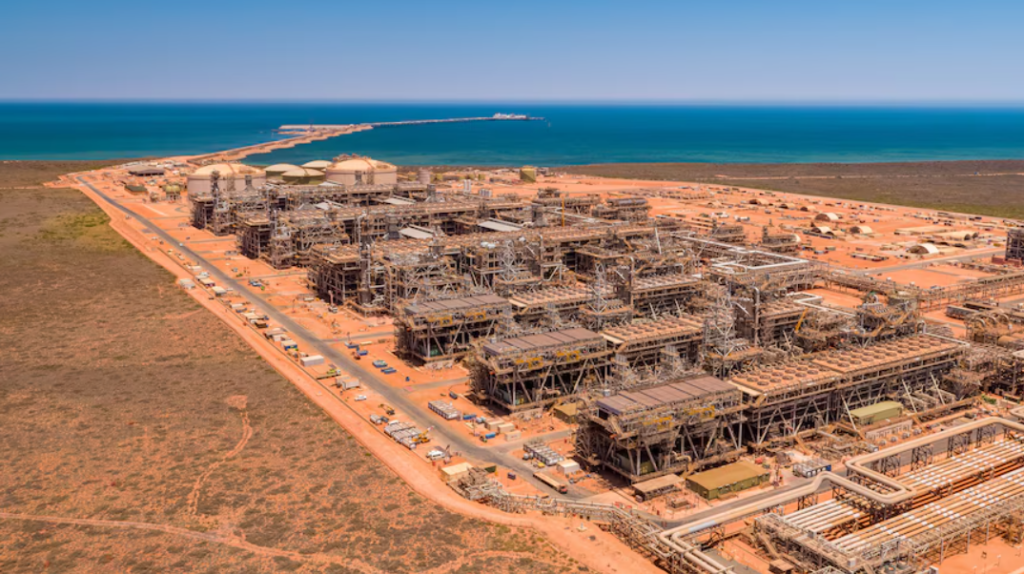
Gas facilities were forced to scale down or pause operations to ensure safety.
This led to:
- Temporary reduction in gas output
- Delays in supply to local markets
Workforce and Safety Measures
Workers were either evacuated or stood down during the storm.
Operations could not resume immediately due to:
- Safety inspections
- Weather-related damage assessments
Potential Supply Pressure
While disruptions are expected to be temporary, short-term pressure on supply can affect:
- Industrial users
- Energy pricing
- Supply reliability
Disruptions to Port Operations
Ports across Western Australia were also affected by the cyclone.
Shipping Delays
Harsh sea conditions made it unsafe for vessels to operate.
This resulted in:
- Delayed arrivals and departures
- Backlogs in cargo handling
Temporary Closures
Some ports had to suspend operations entirely during peak conditions.
Safety remains the top priority in such situations.
Impact on Exports and Imports
Western Australia relies heavily on ports for exporting resources and importing goods.
Disruptions can lead to:
- Delayed shipments
- Supply chain interruptions
- Increased operational costs
Economic and Industry Effects
The combined impact on gas supply and ports has broader consequences.
Energy Sector
- Reduced production levels
- Temporary uncertainty in supply
Mining and Resources
- Delays in exporting materials
- Operational slowdowns
Local Businesses
- Supply chain disruptions
- Increased costs due to delays
Even short-term disruptions can ripple across multiple industries.
Recovery Efforts and Next Steps
Recovery is already underway as conditions improve.
Gradual Resumption of Operations
Gas facilities and ports are expected to resume operations in stages.
This depends on:
- Safety inspections
- Weather stability
Infrastructure Checks
Authorities and companies are assessing any damage to ensure safe operations.
Future Preparedness
Events like this often lead to improved planning.
This may include:
- Stronger infrastructure
- Better emergency response systems
- Enhanced risk management strategies
Conclusion
Ex-Tropical Cyclone Narelle has highlighted the fragility of critical infrastructure in the face of extreme weather. The disruptions to gas supply and port operations in Western Australia show how interconnected energy and logistics systems are.
While recovery is expected in the short term, the event serves as a reminder of the importance of resilience and preparedness. As climate patterns continue to shift, such disruptions may become more frequent.
Staying informed and investing in stronger systems will be key to minimizing future impacts.
FAQ Section
What is ex-Tropical Cyclone Narelle?
It is a weakened form of a tropical cyclone that still brings strong winds and severe weather.
How did it affect gas supply in WA?
Gas production was temporarily reduced due to safety shutdowns and workforce disruptions.
Why were ports affected?
Rough seas and strong winds made it unsafe for ships and port operations.
Are these disruptions permanent?
No, most impacts are temporary and operations are expected to resume gradually.
What industries are most affected?
Energy, mining, logistics, and local businesses are among the most impacted.
All rights belong to their respective owners. This article contains references and insights based on publicly available information and sources. We do not claim ownership over any third party content mentioned.