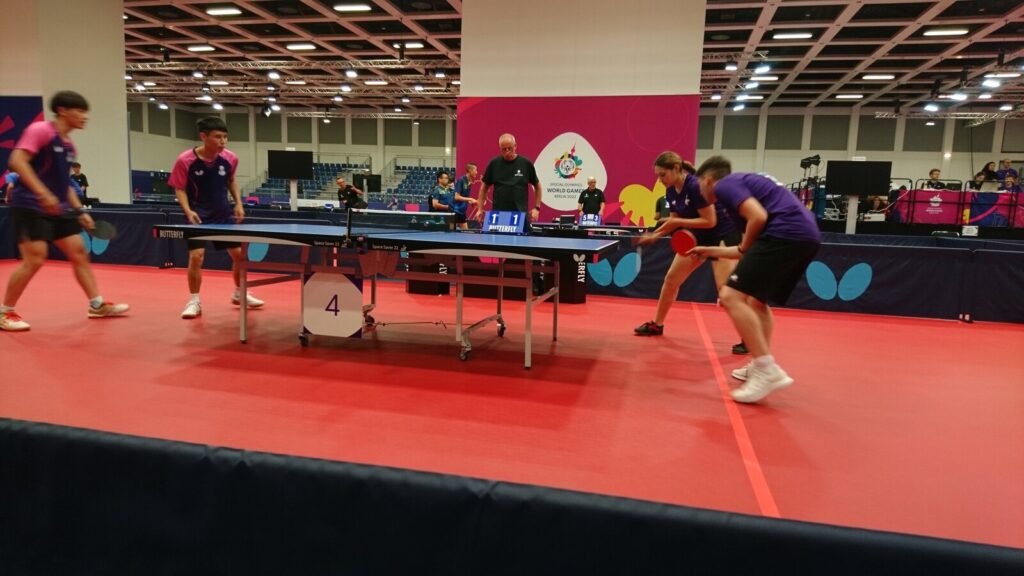
The Special Olympics National Games open in Melbourne today, bringing more than 850 athletes from every state and territory together for five days of competition that celebrate inclusion, friendship and sport. Running from 19 to 23 October 2026, the Games coincide with the 50th anniversary of Special Olympics in Australia and feature a milestone first: table tennis is making its competitive debut.
From a grand opening ceremony at Margaret Court Arena to free-to-watch competition across the city, here is what to know about the Games, the athletes making headlines and how communities can get involved.
Opening ceremony kicks off the Special Olympics National Games
The opening ceremony takes place from 3pm to 5pm today at Margaret Court Arena in the Melbourne Park precinct. It is directed by Creative Director Andrew Walsh AM and hosted by Nine News Sydney presenter Peter Overton, who has been a Special Olympics Australia ambassador for 25 years.
Organisers have promised a Parade of Athletes and live entertainment including DJ Cooper Smith, Eliza Hull OAM, BAM Arts Inc performers and the Victoria Police Pipe Band. The highlight will be athletes, officers and members of the Law Enforcement Torch Run Final Leg team carrying the Flame of Hope into the arena to light the cauldron and officially open the Games.
Games at a glance
- Dates: 19 to 23 October 2026
- Athletes: more than 850 from every state and territory, competing across 13 sports
- Venues: Albert Park, Epping, Thomastown, Clyde North, Port Melbourne, Parkville and central Melbourne
- Cost: sporting events are free to attend, and opening ceremony tickets are $25
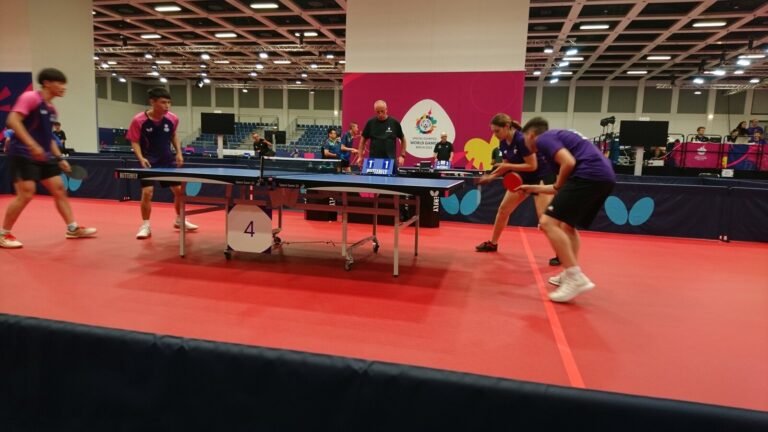
- New this year: table tennis makes its competitive debut, and dance sport is a demonstration sport for the first time
- Milestone: 50 years of Special Olympics in Australia
Table tennis makes its national debut
Special Olympics Australia chief executive Jamie O’Connor told the ABC that the organisation adds sports as demand evolves, so that athletes with intellectual disability can compete in the sports they want to play. Queensland alone is sending a 14-strong table tennis team, including three players from the same regional club.
Meet the Bundaberg trio
The ABC’s coverage introduced three Bundaberg teammates. Sixteen-year-old Oscar Quarrell has been perfecting a pendulum serve with side and backspin. He says table tennis gives his mind a break and is fun to play with people who enjoy his company. It is also his first time away from his parents at a competition. They will be watching from the crowd, but he says he is not allowed to speak to them.
Taylah Sim has her sights set on winning and then qualifying for the World Games. Nicholas Jefferson has played for 13 years and also hopes to win a medal. His mother, Margaret, says table tennis has opened doors for him and that the atmosphere is one of cheering rather than jealousy, because everyone supports each other.
Queensland head coach Kim Hammermeister says Bundaberg has long had strong school programs for people with an intellectual impairment. She notes that people with an intellectual impairment can become very isolated after school, and that being active brings clear physical benefits as well as friendship.
Why community sport matters
Special Olympics Australia supports people with intellectual disability and autism through community-based programs that run week in, week out. O’Connor says the pathway runs from local competitions to state events, national events and international events, and that the organisation is more about participation than winning gold.
For top performers, the pathway continues. About 60 athletes who succeed at the National Games will go on to compete at the Special Olympics World Games in Santiago, Chile, next October.
How to get involved
- Come and watch: Sport at the Games is free to attend. Check the Special Olympics Australia website and the Visit Melbourne listing for venues and times.
- Volunteer: Purple-shirted volunteers are a visible part of the Games, and local clubs rely on volunteers and coaches all year round.
- Find a local program: Western Australians can search the Special Olympics Australia website for programs near them.
- Share your story: The 50th anniversary campaign invites people to share their experiences of inclusion.
- Cheer for everyone: Families say the culture of the Games is about celebrating every athlete, whatever the result.
Frequently asked questions
What is Special Olympics Australia?
It is part of a global movement that uses sport to build a more inclusive world for people with intellectual disability and autism, offering community programs and a pathway to international competition.
Is it free to watch the Special Olympics National Games?
Yes, sporting events are free to attend. Only the opening ceremony is ticketed, at $25 per person.
How many athletes are competing?
More than 850 athletes from every state and territory are taking part across 13 sports, according to Special Olympics Australia.
Will Western Australian athletes take part?
Yes. Organisers say athletes are travelling from every state and territory, which includes Western Australia.
What happens next
Competition continues through to 23 October, and about 60 athletes will earn a place at next year’s World Games in Santiago, Chile. Expect results, medal moments and more athlete stories as the week unfolds.
Image: Reisen8 / Wikimedia Commons / CC BY-SA 4.0 (cropped and resized)