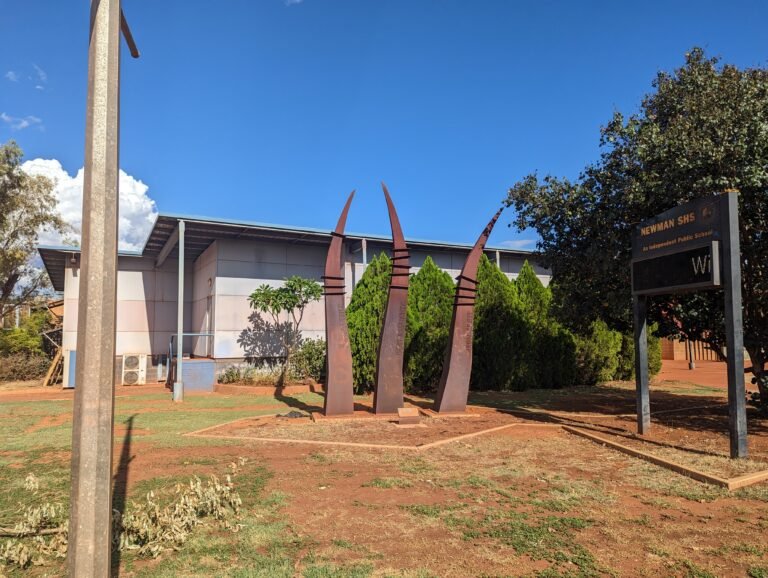
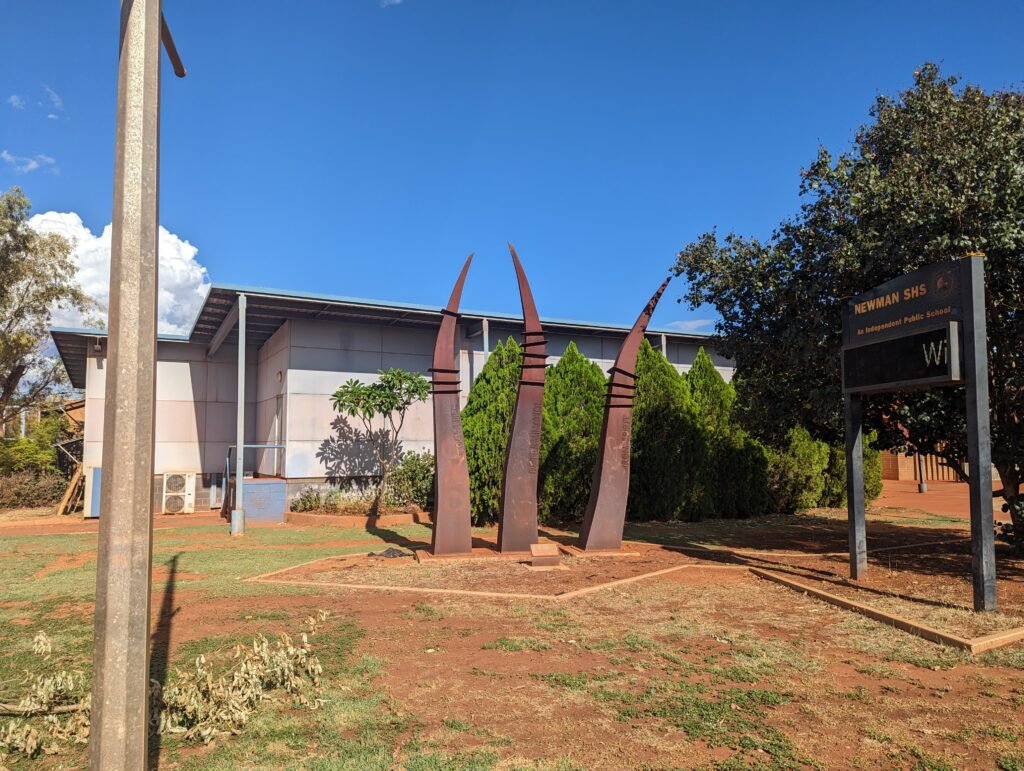
The East Pilbara has recorded the strongest uptake in population growth of any regional area in Western Australia, according to recent regional data, a trend driven largely by continued strength in the resources sector and sustained investment in mining operations across the district. The Shire of East Pilbara, centred on the mining town of Newman and covering a vast stretch of the state’s interior, has increasingly bucked the broader pattern of population decline that has affected some other remote WA local government areas over recent decades.
For a region long associated primarily with fly-in fly-out mining workforces rather than permanent residential communities, the growth trend raises interesting questions about how the area’s demographic profile might be shifting, and what that could mean for local infrastructure, services and community planning over the coming years.
What’s Driving the Growth
Continued strong demand for iron ore, alongside record production and export volumes across WA’s Pilbara mining operations, has underpinned sustained employment and investment activity across the East Pilbara, supporting population growth even as some other resource-dependent regions elsewhere in Australia have experienced more volatile boom-and-bust demographic cycles. Major producers including BHP, Rio Tinto and Fortescue all operate significant mining infrastructure within the shire, providing a broad base of employment opportunities across multiple operators rather than reliance on any single company’s fortunes.
Continued capital investment in Pilbara mining infrastructure, including BHP’s recently approved $1.4 billion Port Hedland upgrade and various mine expansion projects across the region, suggests the underlying economic activity supporting East Pilbara’s population growth is likely to persist for the foreseeable future, rather than representing a short-term spike tied to a single project’s construction phase.
Balancing Fly-In Fly-Out and Permanent Residency
Regional development advocates have long argued that encouraging permanent residency, rather than relying purely on fly-in fly-out workforces, delivers stronger long-term community and economic benefits for mining regions, supporting local businesses, schools and community infrastructure that fly-in fly-out arrangements do not sustain to the same degree. Whether East Pilbara’s population growth reflects a genuine shift toward more permanent residency, or simply better data capture of an already substantial fly-in fly-out workforce, remains an important distinction for local planning purposes.
Infrastructure and Services Implications
Sustained population growth in a remote region like the East Pilbara carries direct implications for local infrastructure and service planning, from housing availability and healthcare capacity through to education and recreational facilities. Local government and state agencies responsible for planning in the region will need to factor continued growth into infrastructure investment decisions, ensuring services keep pace with a growing resident population rather than being calibrated solely around historical population baselines.
A Contrast With Other Regional Areas
East Pilbara’s growth stands in contrast to demographic trends in some other regional WA local government areas, where population has remained flat or declined as agricultural mechanisation and economic diversification have reduced the number of workers required to sustain traditional regional industries. That divergence illustrates how unevenly population trends can play out across WA’s vast regional footprint, with resource-rich areas like the Pilbara continuing to attract workers and investment even as other parts of regional WA face different demographic pressures entirely.
What Comes Next
With continued investment flowing into Pilbara mining infrastructure and no clear signs of the underlying resources demand softening in the near term, East Pilbara’s population growth trend looks set to continue, presenting both opportunities and planning challenges for a shire built around one of the most economically significant, yet still genuinely remote, regions of Western Australia.