Labor Backs Greens Inquiry Into Gas Export Tax: What It Means for Australia
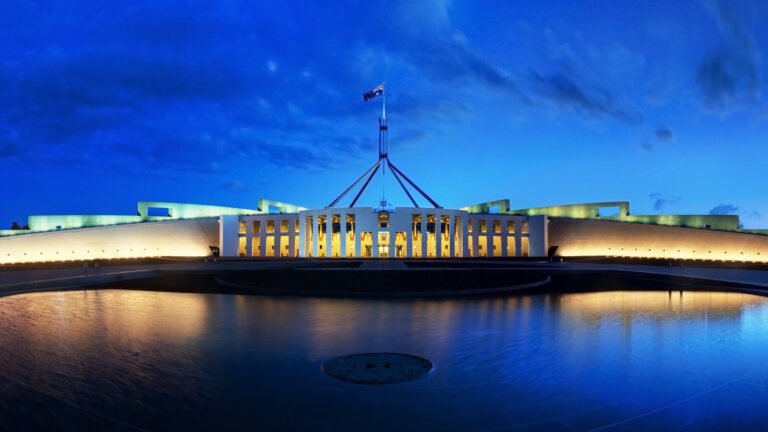
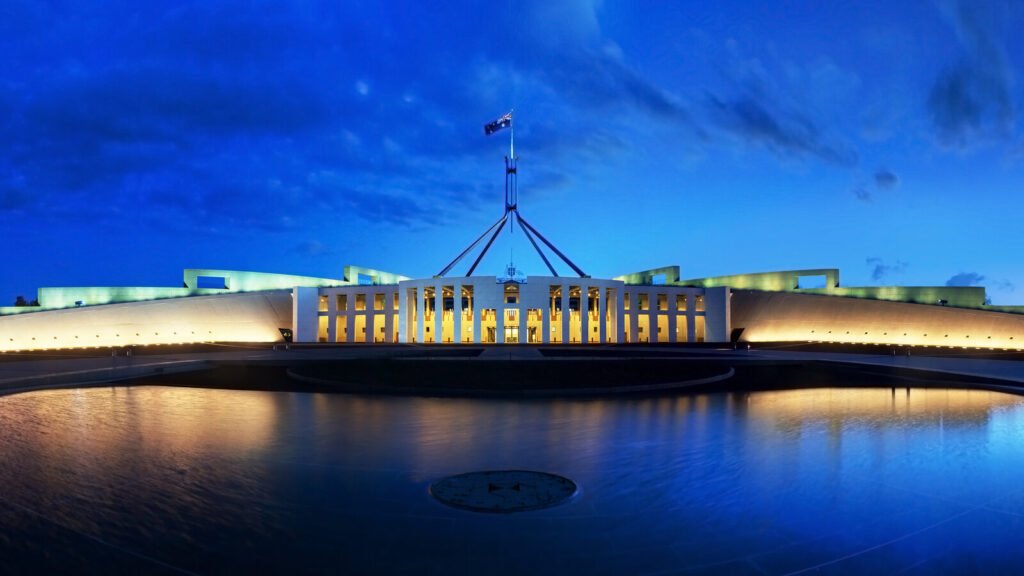
Australia’s political landscape is heating up as Labor signals support for a Greens-led inquiry into gas export taxes. The move has sparked debate across the energy sector, with questions about government revenue, domestic gas prices, and the role of major gas exporters.
As energy costs remain a key concern for households and businesses, this development could have significant implications. The proposed inquiry aims to examine whether Australia is receiving a fair return from its natural gas exports.
In this article, you’ll get a clear breakdown of what’s happening, why it matters, and what could come next.
Table of Contents
- What is the gas export tax inquiry
- Why Labor is backing the Greens
- Key issues behind the proposal
- Impact on the energy sector
- Potential outcomes and next steps
What Is the Gas Export Tax Inquiry
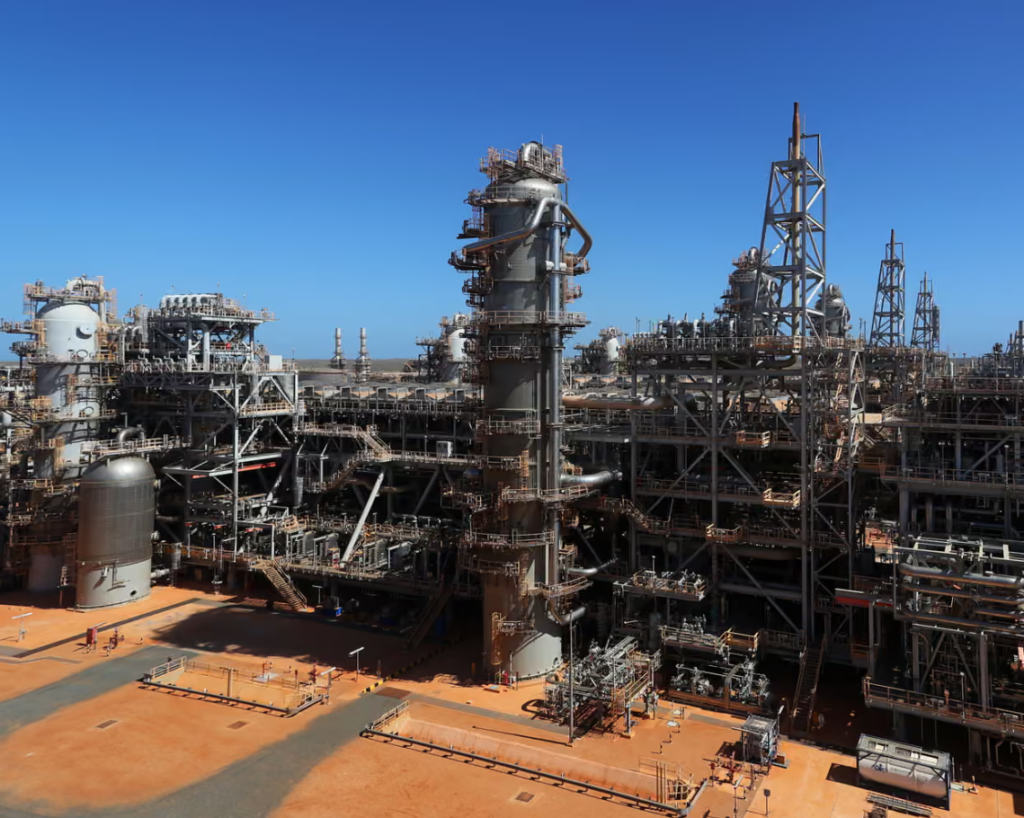
The proposed inquiry focuses on how Australia taxes its gas exports, particularly liquefied natural gas (LNG).
It aims to examine:
- Whether current tax systems are effective
- How much revenue Australia earns from gas exports
- Whether reforms are needed
Australia is one of the world’s largest LNG exporters, but there has been ongoing debate about whether the country is getting a fair financial return.
Why Labor Is Backing the Greens
Labor’s support for the Greens inquiry is seen as a strategic move.
Key reasons include:
- Addressing public concern over rising energy prices
- Responding to criticism about gas industry profits
- Increasing transparency in the energy sector
While Labor and the Greens often differ on energy policy, this issue has created some alignment.
Key Issues Behind the Proposal
1. Revenue From Gas Exports
Critics argue that Australia may not be collecting enough tax from gas companies.
They point to:
- Complex tax structures
- Deductions that reduce taxable income
- Delayed revenue from major projects
2. Domestic Gas Prices
There is concern that Australians are paying high prices for gas despite the country’s large exports.
The inquiry may explore:
- Links between export policies and local prices
- Whether more gas should be reserved for domestic use
3. Fairness and Transparency
The debate also centers on fairness.
Questions being raised include:
- Are multinational companies paying their fair share?
- Is the system transparent enough?
Impact on the Energy Sector
For Gas Companies
An inquiry could lead to:
- Increased scrutiny
- Potential tax changes
- Greater regulatory pressure
For Consumers
If reforms are introduced, possible outcomes include:
- Lower domestic gas prices
- Improved energy affordability
However, changes could also affect investment in the sector.
For Government Revenue
A revised tax system could increase government income, which may be used for:
- Public services
- Infrastructure
- Energy transition projects
Potential Outcomes and Next Steps
Parliamentary Inquiry Process
The inquiry will likely involve:
- Expert submissions
- Industry input
- Public hearings
Policy Recommendations
Findings could lead to:
- Changes in tax policy
- Adjustments to export regulations
- New measures to protect domestic supply
Ongoing Debate
This issue is expected to remain a major topic in Australian politics, especially as energy policy continues to evolve.
Conclusion
Labor’s backing of the Greens inquiry into gas export taxes marks an important moment in Australia’s energy debate. With rising concerns about affordability and fairness, the outcome of this inquiry could shape future policies and industry practices.
While it remains to be seen what changes will follow, the discussion highlights the growing pressure on governments to balance economic benefits with public interest.
Understanding these developments is key as Australia navigates its energy future.
FAQ Section
What is the gas export tax inquiry about?
It aims to review how Australia taxes gas exports and whether the system is fair and effective.
Why is Labor supporting the Greens?
To address concerns about energy prices, transparency, and government revenue.
Could this lower gas prices in Australia?
Possibly, if reforms focus on increasing domestic supply or regulating exports.
Will gas companies be affected?
Yes, they may face increased scrutiny and potential changes in taxation.
What happens next?
The inquiry will gather evidence and make recommendations that could influence future policy.
All rights belong to their respective owners. This article contains references and insights based on publicly available information and sources. We do not claim ownership over any third party content mentioned.